SF's Housing Market Is Splitting in Two: Houses Surge While Condos Stall
A widening gap between single-family home prices and condo values is reshaping where buyers look—and what they can afford—across San Francisco this summer.
A widening gap between single-family home prices and condo values is reshaping where buyers look—and what they can afford—across San Francisco this summer.
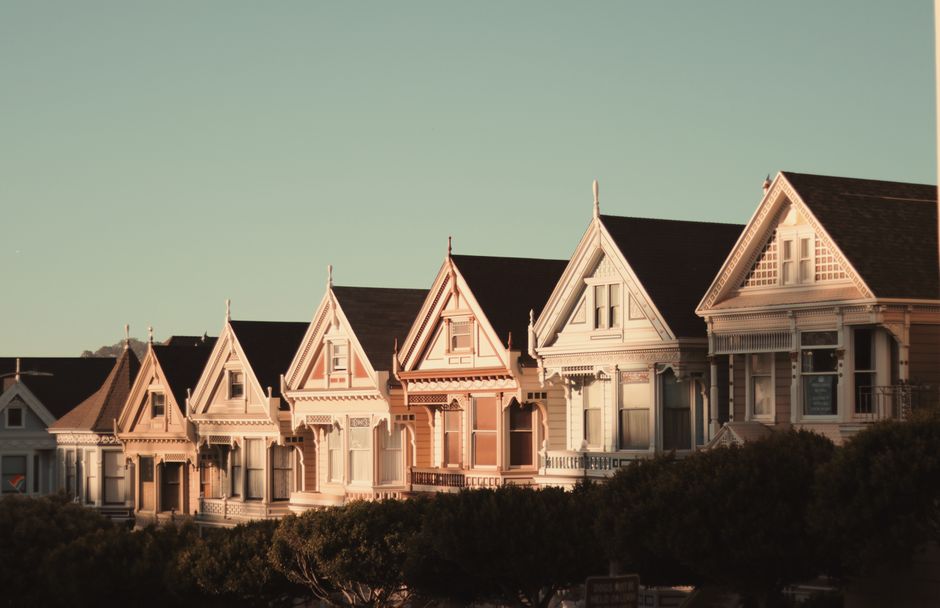
San Francisco's median single-family home price hit $1.72 million in June 2026, according to figures compiled by the San Francisco Association of Realtors—a 9.4 percent jump from the same month last year. The median condo price, meanwhile, barely moved, sitting at $895,000, up less than 2 percent over twelve months. That gap, now approaching $825,000, is the widest the city has recorded in at least a decade.
The divergence matters because it is arriving at a particular moment. Tech-sector hiring has resumed in earnest along the Caltrain corridor, remote-work patterns have loosened their grip on office occupancy in SoMa and the Financial District, and a generation of buyers who spent three years hunting for square footage is now colliding with a housing stock that simply hasn't grown. Single-family homes were always scarce here. They are becoming rarer still.
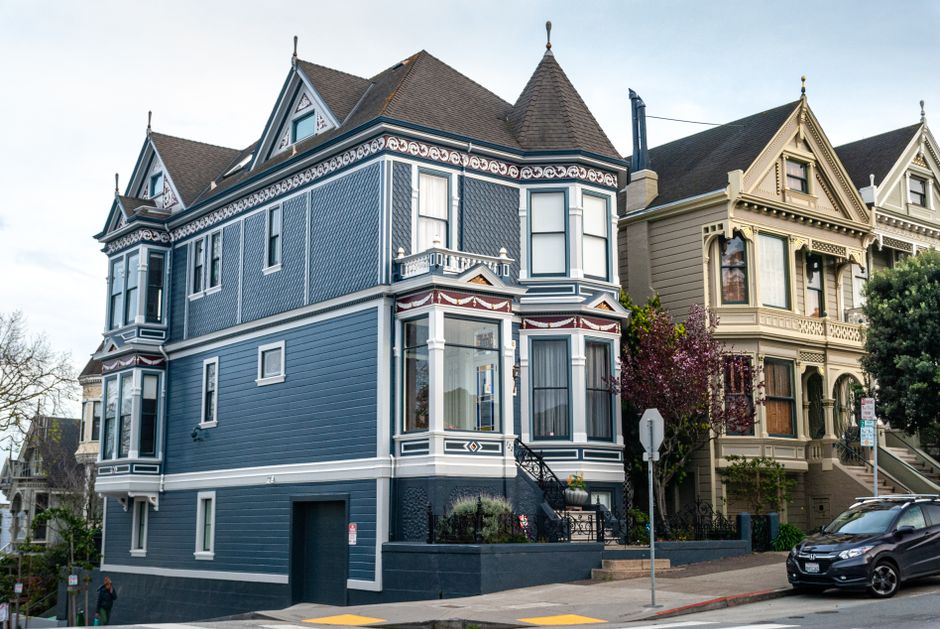
Pacific Heights tells the clearest version of the story. A four-bedroom Victorian on Broadway Street traded last month at $3.1 million, $400,000 over asking, after eleven days on market. A comparable-vintage two-bedroom condo on Vallejo Street, four blocks south, closed at $1.05 million—under its $1.1 million list price after sitting for 34 days. Same neighborhood, same week, radically different buyer energy.
The pattern repeats in the Marina, where single-family inventory is so thin that anything under $2.5 million with a garage draws multiple offers within a weekend. The Dogpatch, once a purely renter and investor neighborhood south of Potrero Hill, has seen a cluster of fully detached homes on Tennessee Street attract buyers priced out of Noe Valley and Bernal Heights. Three properties there closed above $1.4 million between April and June. The Mission, where the nonprofit Mission Economic Development Agency has pushed for more below-market-rate homeownership opportunities, still sees condo development dominating new construction pipelines, which only deepens the supply imbalance for houses.
Condos are not in freefall. Downtown-adjacent towers along Rincon Hill and in the transbay zone are moving—slowly, but moving. The issue is leverage. A buyer who purchased a one-bedroom in a 2019-era tower near the Salesforce Transit Center paid around $850,000 then and faces a market that has barely appreciated. A buyer who stretched for a Noe Valley bungalow in the same year is sitting on gains north of 20 percent.
The practical consequence of the divergence is a buyer pool that is increasingly sorting itself by asset class rather than by neighborhood. First-time buyers relying on down-payment assistance programs like SF's Below Market Rate ownership lottery, administered through the Mayor's Office of Housing and Community Development, are disproportionately being funneled into the condo tier—the very tier that is appreciating most slowly. That isn't necessarily bad; affordability has to come from somewhere. But it does mean those buyers are building equity at a fraction of the pace of their house-owning neighbors.
Investors have taken note. Several small landlords who converted multi-unit Edwardian buildings in the Haight-Ashbury into tenancy-in-common units over the past five years are now watching those TIC shares lag even standard condo comps. Some are exploring reconverting back to rentals, according to filings at the Department of Building Inspection reviewed this week.
The second half of 2026 is unlikely to close the gap quickly. Interest rates remain elevated—the 30-year fixed averaged 6.61 percent nationally as of late June—which suppresses the buyer pool for any property, but hits condo buyers harder because their return calculus is thinner to begin with. Single-family homes, with their scarcity premium and land value, have a different floor. Buyers who can access one should understand they are no longer buying the same asset class as a condo in the same zip code. The San Francisco market has always been complicated. This summer, it is complicated in a new way.
How does this story make you feel?
Spread the word
About this article
Published by The Daily San Francisco
Daily brief
Free, in your inbox before 7am. Weekdays.
More in Property