San Francisco Rental Yields Hit Record Highs Amid Tech Worker Return
Vacancy rates hover near decade lows as tech talent floods back, but the numbers reveal a widening gap between premium neighbourhoods and emerging alternatives.
Vacancy rates hover near decade lows as tech talent floods back, but the numbers reveal a widening gap between premium neighbourhoods and emerging alternatives.

Listen to this article · 3:48
San Francisco's rental market is sending mixed signals to property investors, and the data tells a compelling story about where capital is flowing and why.
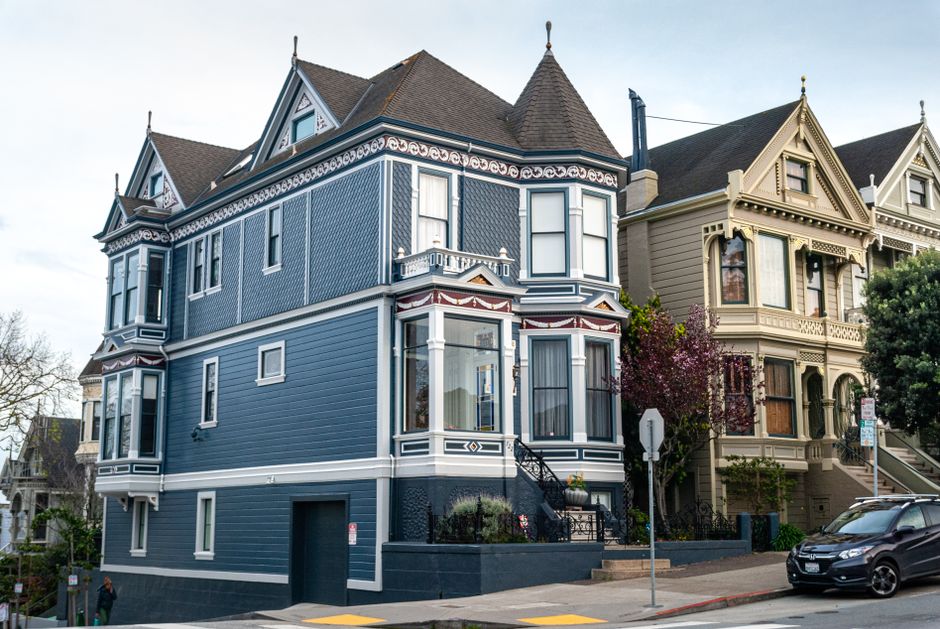
Current vacancy rates in the city hover around 3.2 percent—near the lowest point in over a decade—yet average investor yields have compressed significantly. In traditionally hot markets like Pacific Heights and Marina, gross rental yields sit at 2.8 to 3.1 percent annually, with net returns substantially lower after maintenance, property taxes, and insurance. For a $2.1 million Pacific Heights Victorian, that translates to roughly $58,800 in annual rental income before expenses—a reality check for investors accustomed to stronger returns.
The story shifts dramatically south and east. Mission District and Dogpatch properties are capturing investor attention precisely because the fundamentals are changing. A well-maintained two-bedroom on Valencia Street near the Zeitgeist beer garden can command $4,200 monthly, delivering gross yields of 4.1 percent on purchase prices averaging $1.05 million. That differential matters when compounded across a portfolio.
Tech sector demand has returned with tangible force. LinkedIn's recent expansion plans and continued recruitment from Meta's Menlo Park campus have refilled apartment buildings along Market Street and in SoMa—neighbourhoods that experienced notable tenant churn during pandemic-era remote work shifts. Current data shows SoMa vacancy falling to 2.1 percent, among the lowest citywide, pushing rents up 8.7 percent year-over-year for one-bedroom units.
Yet this tightening presents a cautionary subplot. Condo-heavy areas like SOMA and the Financial District, which skew toward shorter-term corporate leasing, show higher turnover costs and greater exposure to economic cycles. Traditional multi-unit apartment buildings in the Inner Sunset and Richmond neighbourhoods demonstrate stickier tenant bases and more predictable cash flow, though they command lower absolute rents.
The professional investment community is recalibrating. Institutional investors are increasingly focused on value-add opportunities in stabilising neighbourhoods rather than chasing premium-area yields that no longer justify the risk premium. Real estate advisory firms note that investors achieving five percent-plus net yields are predominantly acquiring properties requiring moderate renovation or repositioning in up-and-coming pockets, rather than acquiring move-in-ready stock in established prestige zones.
For individual investors, the calculus is stark: patience and geographic flexibility are rewarded. The days of effortless appreciation coupled with healthy yields have shifted. Today's returns require active management, tactical neighbourhood selection, and acceptance that San Francisco's rental market has matured into a data-driven game where location arbitrage matters more than ever.
This article was compiled by AI and screened before publishing. See our editorial standards.
How does this story make you feel?
Spread the word
About this article
Published by The Daily San Francisco
Daily brief
Free, in your inbox before 7am. Weekdays.
More in Property