Why San Francisco Home Prices Are Climbing Again—And What Buyers Must Do to Compete
Tech sector confidence and limited inventory are reshaping the market; here's what's actually driving values across the city's neighbourhoods.
Tech sector confidence and limited inventory are reshaping the market; here's what's actually driving values across the city's neighbourhoods.
Listen to this article · 3:37
San Francisco's housing market is heating up again, and the reasons are more nuanced than headlines suggest. After years of volatility, the median home price has stabilised around $1.3 million citywide, but the real story lies in what's pushing prices upward—and which neighbourhoods are moving fastest.
The primary driver is straightforward: limited supply meeting returning demand. Tech sector confidence has rebounded sharply since 2024, with major employers expanding headcounts and offering competitive packages that include relocation assistance. This has reignited demand from both established professionals and young families looking to plant roots in the city. Meanwhile, homeowners who weathered the pandemic downturn remain reluctant to sell, keeping inventory tight across most neighbourhoods.
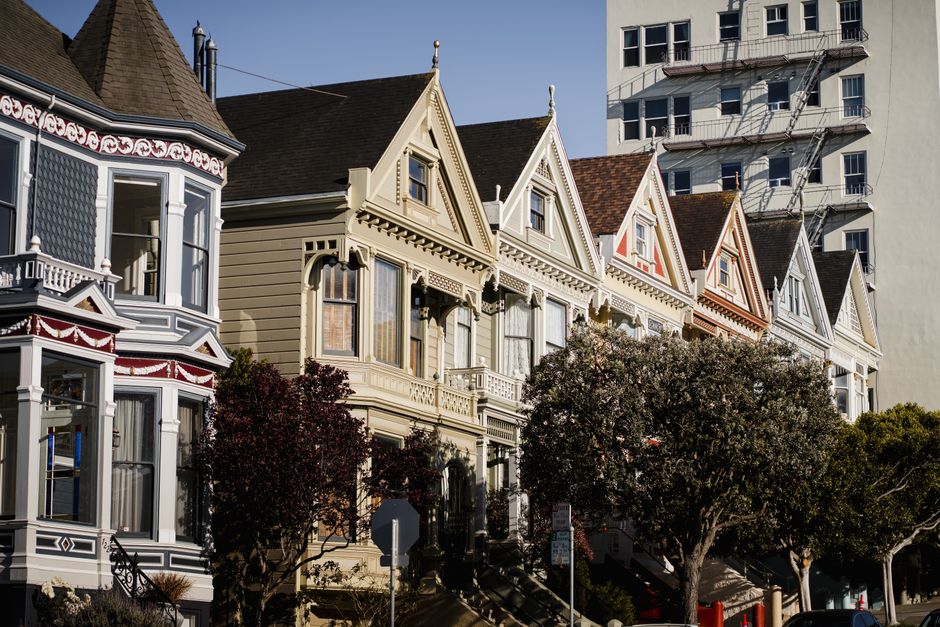
The geographic splits are telling. Pacific Heights and Marina remain the premium zones, where a three-bedroom Victorian or modern condo regularly exceeds $2.5 million. But the real momentum is in emerging corridors. Mission District properties, long considered entry-level by San Francisco standards, are appreciating faster than established wealthy enclaves—a sign that younger buyers and investors are pricing in long-term neighbourhood transformation. Dogpatch, meanwhile, has become a secondary hot spot, with waterfront-adjacent properties commanding $3+ million despite being comparatively new to the city's upper-market consciousness.
For buyers navigating this environment, several realities matter now. First, the condo market is far more active than single-family homes, offering both liquidity and lower entry points—critical given that renovation-ready Victorians still fetch seven figures. Second, proximity to BART stations matters more than ever; commute flexibility has become a de facto negotiating point. Third, the bidding war has returned selectively; properties under $2 million in desirable neighbourhoods like the Inner Sunset or Lower Noe Valley typically see multiple offers within days.
What buyers must understand: price appreciation isn't uniform. While waterfront properties and newly developed zones are climbing fastest, neighbourhoods with stable but aging infrastructure—think the Tenderloin or parts of the Outer Sunset—remain relatively flat. This creates opportunity for contrarian investors, but requires confidence in neighbourhood trajectory.
The Central question for mid-market buyers is timing. Interest rates remain above historical averages, but San Francisco's structural undersupply of housing suggests prices won't crater. The smartest buyers are those who can commit for five-plus years and view their purchase as both home and long-term asset, rather than hoping for quick appreciation.
This article was compiled by AI and screened before publishing. See our editorial standards.
How does this story make you feel?
Spread the word
About this article
Published by The Daily San Francisco
Daily brief
Free, in your inbox before 7am. Weekdays.
More in Property