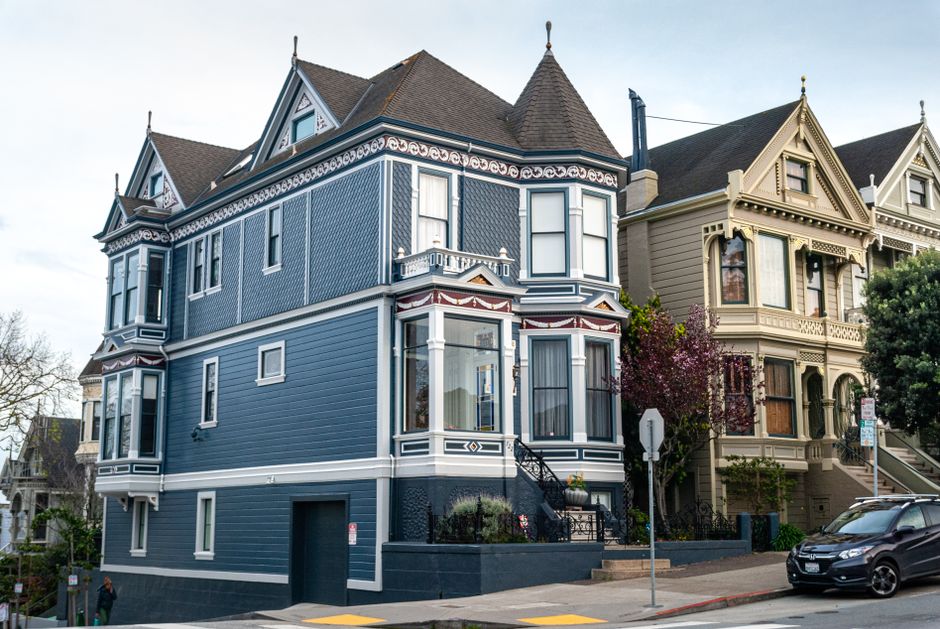
What San Francisco's auction results and price data are signalling to landlords in 2026
Falling cap rates and shifting buyer demand across neighborhoods reveal where investment property returns are heading this year.
Falling cap rates and shifting buyer demand across neighborhoods reveal where investment property returns are heading this year.
Listen to this article · 3:38
San Francisco's investment property landscape is sending mixed signals to landlords as mid-year auction data reveals a market in transition. With the median home price holding steady around $1.3 million, the real story lies in where buyers are actually deploying capital—and what that means for yield-hungry investors.
Recent auction results across the city tell a revealing story. Properties in traditionally premium neighborhoods like Pacific Heights and Marina have seen softer bidding activity compared to 2025, with several multi-unit buildings lingering on the market longer than historical norms. Meanwhile, Mission District and Dogpatch continue to attract multiple offers, though appreciation rates have cooled from their pandemic-era peaks. A recent portfolio sale of three apartment buildings on Valencia Street between 16th and 18th saw final prices land closer to asking than anticipated—a signal that the days of aggressive bidding wars may be fading.
The data points to cap rate compression in established rental neighborhoods, particularly where tech sector demand remains strong. Landlords acquiring investment properties in these corridors are accepting lower yields in exchange for tenant stability and appreciation potential. A typical two-unit Victorian in the Mission is now yielding between 2.8–3.2 percent annually when factoring in Bay Area property taxes and maintenance costs—well below historical averages.
For landlords considering moves, the auction results suggest opportunity lies in less-saturated neighborhoods. Buildings near transit corridors in the Outer Sunset and Outer Richmond are seeing increased investor interest, with cap rates hovering closer to 4 percent. This shift reflects a broader recognition that single-family and small multi-unit properties in neighborhood-adjacent areas offer better risk-adjusted returns than trophy assets in Pacific Heights.
The condo market presents a different equation entirely. Active listings in downtown-adjacent areas like SoMa and SOMA South have increased, and auction clearance rates have dropped to 67 percent—the lowest in three years. This suggests investors should approach condo conversions and small apartment buildings with caution; tenant protections and rent control laws continue to compress landlord returns in ways that auction data doesn't always capture.
The message from price data is clear: 2026 rewards disciplined investors who focus on fundamentals rather than location cachet. Landlords chasing yield will find better opportunities in neighborhoods where demand is growing but pricing hasn't yet fully reflected tenant appetite. Those banking on continued appreciation in established wealthy enclaves should reassess their assumptions—the auction results suggest the era of easy gains may be concluding.
This article was compiled by AI and screened before publishing. See our editorial standards.
How does this story make you feel?
Spread the word
About this article
Published by The Daily San Francisco
Daily brief
Free, in your inbox before 7am. Weekdays.
More in Property