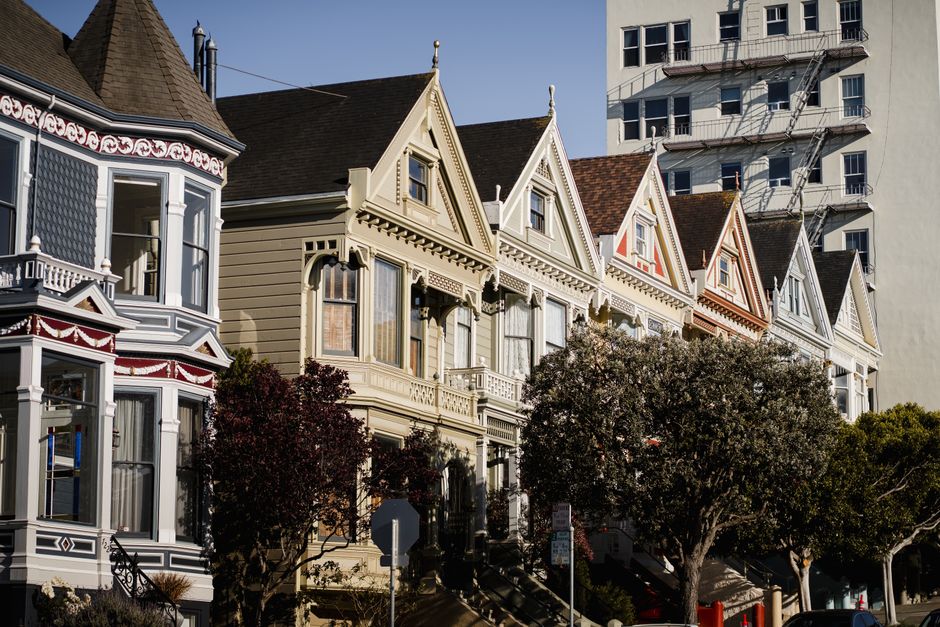
For Priya Mehta, a software engineer earning $165,000 annually, the prospect of buying in San Francisco seemed impossible six months ago. The median home price hovered around $1.3 million, and even Mission District properties—once considered the city's most accessible neighbourhood—had climbed past $950,000. Then California's updated first-home buyer assistance framework arrived, and the calculus shifted.
The state's revised down payment assistance program, implemented earlier this year, increased maximum grants from $80,000 to $125,000 for qualifying buyers in designated growth corridors. San Francisco's planning department simultaneously fast-tracked zoning approvals for mixed-income developments along the Mission's Valencia Street corridor and in Dogpatch—moves that housing advocates argue could inject more moderately-priced inventory into the market within 18 months.
"Policy changes have real teeth," explains Mark Chen, director of housing access at the San Francisco Housing Action Coalition. "When you combine grant expansion with reduced permitting timelines, you're not just helping individuals—you're signalling to developers where the city wants growth."
The numbers bear this out. Since the grants expanded in March, first-time buyer inquiries at major lenders jumped 34 percent, according to preliminary Bay Area data. In Dogpatch, where a two-bedroom condo recently sold for $875,000, applications tripled. Even the Mission saw renewed activity, with properties on Mission Street between 24th and 28th attracting multiple offers within days.
But policy enthusiasm masks stubborn realities. While the expanded grants help, a $125,000 boost barely dents the down payment burden on a $1.3 million median-priced home. Most first-time buyers still need household incomes above $140,000 to qualify for financing. In Pacific Heights or Marina, where listings routinely exceed $2 million, the assistance remains almost symbolic.
The planning department's expedited approvals may prove more consequential long-term. Proposed developments in Dogpatch and along Mission Street could add 400+ units in the next two years—modest by regional standards, but potentially significant for price stabilization in those micro-markets.
City officials are studying whether further policy levers exist: income-based tax credits, shared-equity models, or employer housing partnerships. Yet each expansion carries trade-offs with municipal budgets and developer incentive structures.
For buyers like Mehta, the current moment feels like genuine progress—narrow, targeted, but real. The question isn't whether San Francisco is becoming more affordable. It's whether policy can move fast enough to matter before market momentum shifts again.
This article was compiled by AI from the sources linked above and screened before publishing. See our editorial standards.