San Francisco's luxury real estate market is experiencing a notable inflection point. With the median home price hovering around $1.3 million and tech sector hiring accelerating into mid-2026, developers and institutional investors are fast-tracking prestige projects that promise to reshape the city's residential hierarchy.
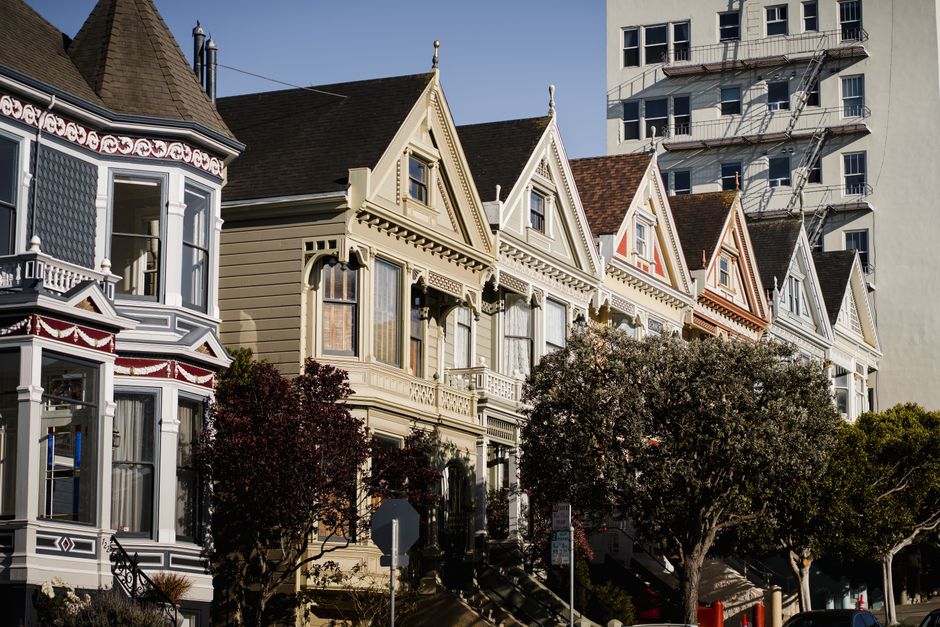
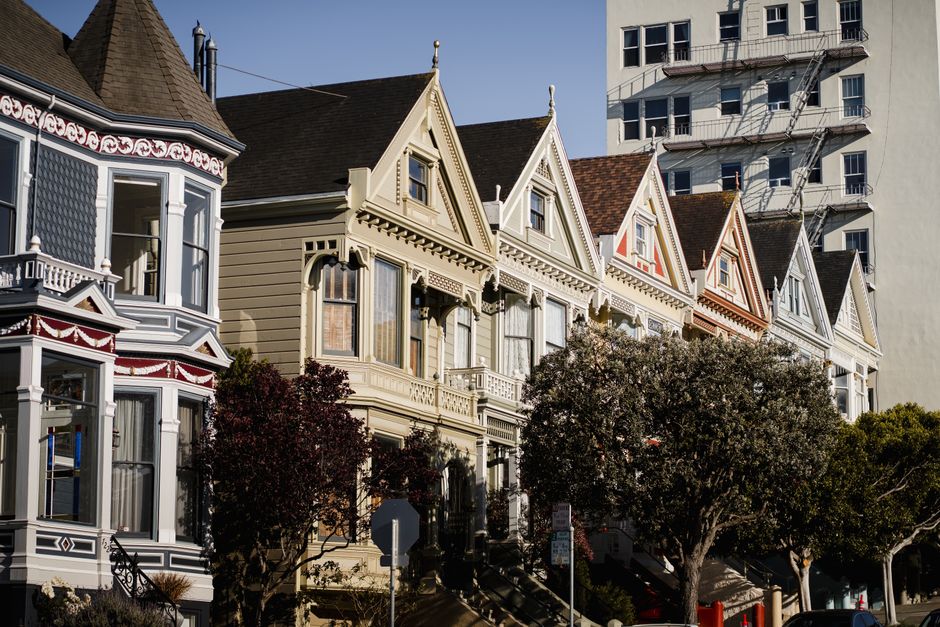
The most visible activity centers on Pacific Heights and the Marina District, where scarcity of new supply has long supported premium valuations. Several mixed-use developments currently in planning or early construction phases along Fillmore Street and near Cow Hollow aim to introduce contemporary luxury apartments and townhomes—a rarity in neighborhoods where Victorian and Edwardian architecture dominates. These projects underscore a developer calculus: aging housing stock combined with sustained demand from finance and technology professionals creates opportunities for high-margin infill development.
But the more intriguing story is playing out in Mission District and Dogpatch, traditionally working-class zones now commanding attention from luxury-focused builders. New developments near the intersection of Valencia and 18th Street, and clustered around Dogpatch's waterfront access, are targeting the younger affluent demographic—entrepreneurs and senior engineers who prioritize walkability and urban amenities over the established prestige of Pacific Heights. One notable project framework suggests units starting at $2.8 million, a price point that would have seemed implausible in these neighborhoods just five years ago.
The pattern reflects broader market psychology. With remote-work flexibility still shaping purchasing decisions, buyers increasingly value proximity to restaurants, galleries, and social infrastructure alongside heritage and views. Mission and Dogpatch developments capitalize on this by bundling contemporary design with neighborhood momentum—a proposition that commands premium pricing while feeling less stuffy than traditional luxury positioning.
Realtors and analysts note that these projects also carry regulatory and construction-cost headwinds. San Francisco's approval timelines and labor expenses mean most new luxury units price at or above $3 million, filtering demand to a narrow buyer pool. Yet transaction volume in the $1.5-3 million range remains relatively robust, suggesting that developers see sufficient velocity to justify capital deployment.
The implications are material for the broader market. New supply in premium segments may eventually relieve pressure on mid-tier properties, while the geographic diversification of luxury development signals confidence that San Francisco's appeal—despite housing costs and urban challenges—remains intact for high-income households. For neighborhoods like Dogpatch and the Mission, these projects represent an inflection: the beginning of a transition from emerging to established, with all the attendant changes to character and accessibility that such transformations entail.
This article was compiled by AI from the sources linked above and screened before publishing. See our editorial standards.