Silicon Valley's New Wave: How Luxury Developments Are Reshaping San Francisco's Most Coveted Neighborhoods
From the Embarcadero to Pacific Heights, multibillion-dollar projects are redefining what it means to live at the top of the market.
From the Embarcadero to Pacific Heights, multibillion-dollar projects are redefining what it means to live at the top of the market.
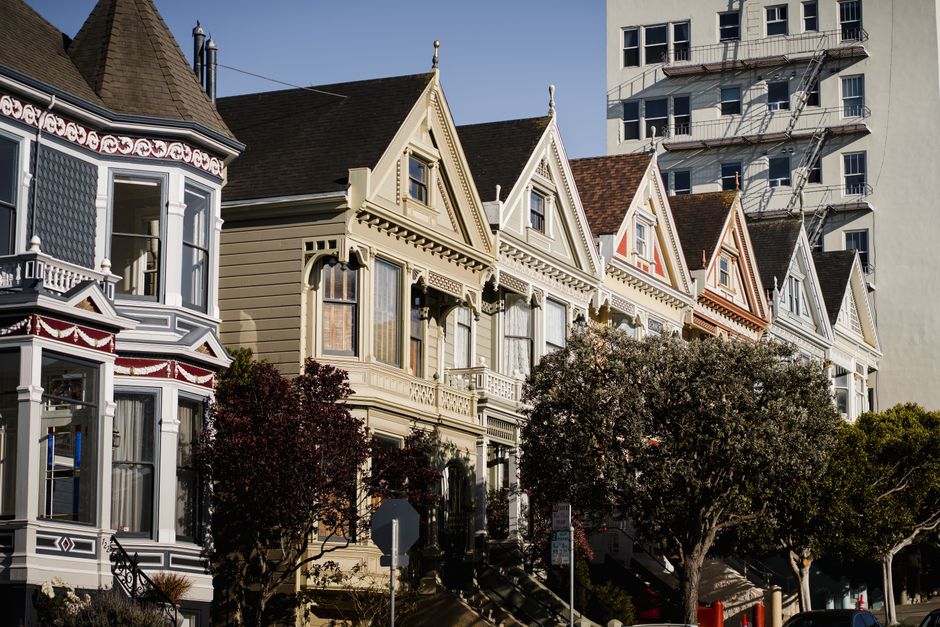
San Francisco's luxury real estate market is experiencing a transformation that hasn't been seen since the early 2020s boom. With the median home price hovering around $1.3 million citywide, new high-end developments are strategically reshaping established neighborhoods while creating entirely new lifestyle destinations for the city's most discerning buyers.
The Marina District and Pacific Heights have long commanded premium prices, but recent projects along the Embarcadero corridor are introducing a new tier of waterfront luxury. Mixed-use developments featuring penthouses with private terraces, wine cellars, and dedicated concierge services are attracting international investors and tech executives seeking trophy properties with unobstructed bay views. These projects typically price units between $3 million and $8 million, positioning them as serious competitors to traditional strongholds like the St. Regis Residences.
Meanwhile, the Mission District and Dogpatch—neighborhoods that have experienced dramatic gentrification over the past five years—are seeing a different type of development strategy. Here, luxury doesn't mean maximum square footage or opulent finishes; it means thoughtfully designed residential conversions of historic warehouses, often marketed to younger wealth. These developments typically range from $2 million to $4.5 million, representing a more understated aesthetic that appeals to entrepreneurs and creatives who've built their fortunes in the tech sector.
The return of institutional investment signals confidence in San Francisco's recovery. Major developers are betting that demand from both domestic and international buyers will sustain price growth, particularly as remote work flexibility allows affluent professionals to consider San Francisco properties as secondary investments rather than primary residences.
What these developments mean for the broader neighborhoods is nuanced. New construction brings modernized infrastructure, improved pedestrian amenities, and upgraded retail experiences—yet it also raises concerns about displacement and neighborhood character erosion. Community organizations and the San Francisco Planning Department are scrutinizing projects more carefully, often negotiating affordable housing components and local hiring requirements.
The luxury market's health ultimately signals broader economic confidence. When developers commit hundreds of millions to prestige projects in Pacific Heights or the Embarcadero, they're betting on San Francisco's continued relevance as a global financial and cultural capital. Whether these developments deliver the promised uplift to surrounding areas—or simply create isolated enclaves for the ultra-wealthy—will define San Francisco's residential landscape through the end of this decade.
This article was compiled by AI from the sources linked above and screened before publishing. See our editorial standards.
How does this story make you feel?
Spread the word
About this article
Published by The Daily San Francisco
Daily brief
Free, in your inbox before 7am. Weekdays.
More in Property