Tech Money is Back: What's Really Driving SF Home Prices and How Buyers Should React
As the median home price hovers near $1.3 million, returning venture capital and limited inventory are reshaping the market—here's what savvy buyers need to know.
As the median home price hovers near $1.3 million, returning venture capital and limited inventory are reshaping the market—here's what savvy buyers need to know.
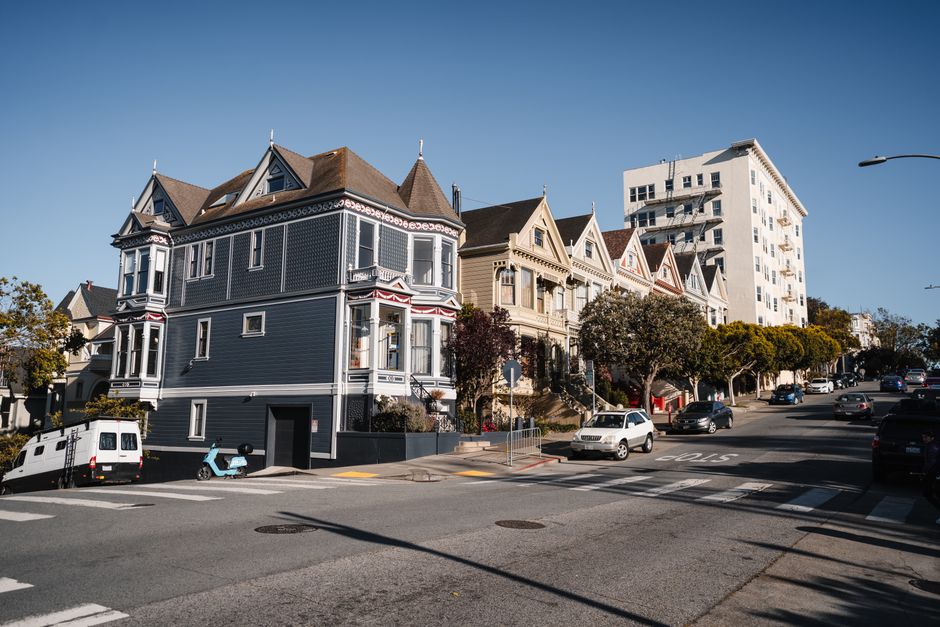
San Francisco's housing market is experiencing a sharp reset. After two years of cautious cooling, tech sector optimism is pushing prices upward again, particularly in neighborhoods that serve as proxies for wealth and proximity to employment hubs. The median home price sitting at $1.3 million masks significant geographic variation—and understanding those differences is crucial for buyers navigating today's market.
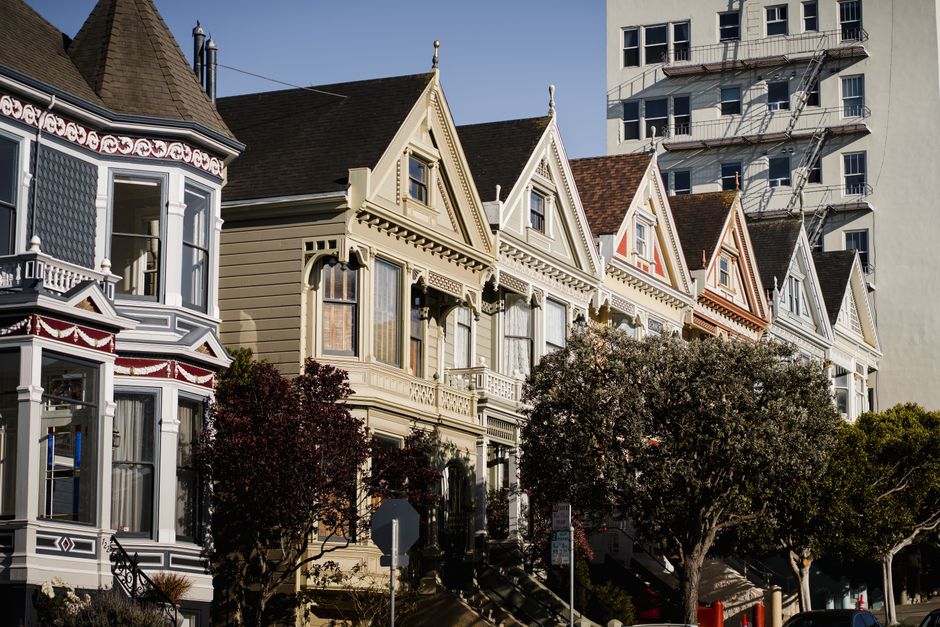
The primary driver? Returning institutional investment. Venture capital has rebounded from its 2023 contraction, and with it comes corporate relocation packages and employee signing bonuses that have reignited buyer demand. This is especially visible in Pacific Heights and the Marina, where home prices have appreciated 8–12 percent year-over-year. A four-bedroom Victorian on Fillmore Street that would have lingered on the market eighteen months ago now draws multiple offers within days.
But the story isn't uniform across the city. In the Mission and Dogpatch, younger professionals and smaller households are competing for different assets—renovated condos, new construction lofts near the waterfront—and those neighborhoods remain relatively accessible. A two-bedroom condo near Guerrero Park might list at $950,000, compared to $1.6 million for equivalent square footage in Pacific Heights. The arbitrage is shrinking, though, as buyers priced out of traditional wealth neighborhoods scout emerging areas.
Inventory constraints are the second major factor. Limited new supply, combined with low mortgage rates hovering around 6.8 percent for qualified buyers, means properties move faster. Cash offers have become routine again—a shift that disadvantages traditional financed buyers. According to recent data, approximately 35 percent of Bay Area purchases involve all-cash deals, up from 28 percent two years ago.
For buyers entering the market now, three realities matter. First, pre-approval is table stakes; lenders are reviewing debt-to-income ratios more carefully than during the pandemic boom. Second, proximity to transit—BART stations in the Mission, Muni lines in the Richmond—has become a price multiplier. Third, the window for off-market or pocket listings is closing as agents prioritize MLS exposure to attract maximum bids.
Neighborhoods like Noe Valley and Cole Valley offer relative stability and family-friendly appeal, but expect prices to climb 5–7 percent through year-end as demand persists. The sharp price volatility of 2020–2022 appears to have stabilized into slower, steadier appreciation driven by fundamentals rather than speculation.
The bottom line: This market favors informed, decisive buyers with solid financing and realistic neighborhood expectations. The days of negotiating aggressively are over. Those timing entry for late summer should act quickly.
This article was compiled by AI from the sources linked above and screened before publishing. See our editorial standards.
How does this story make you feel?
Spread the word
About this article
Published by The Daily San Francisco
Daily brief
Free, in your inbox before 7am. Weekdays.
More in Property