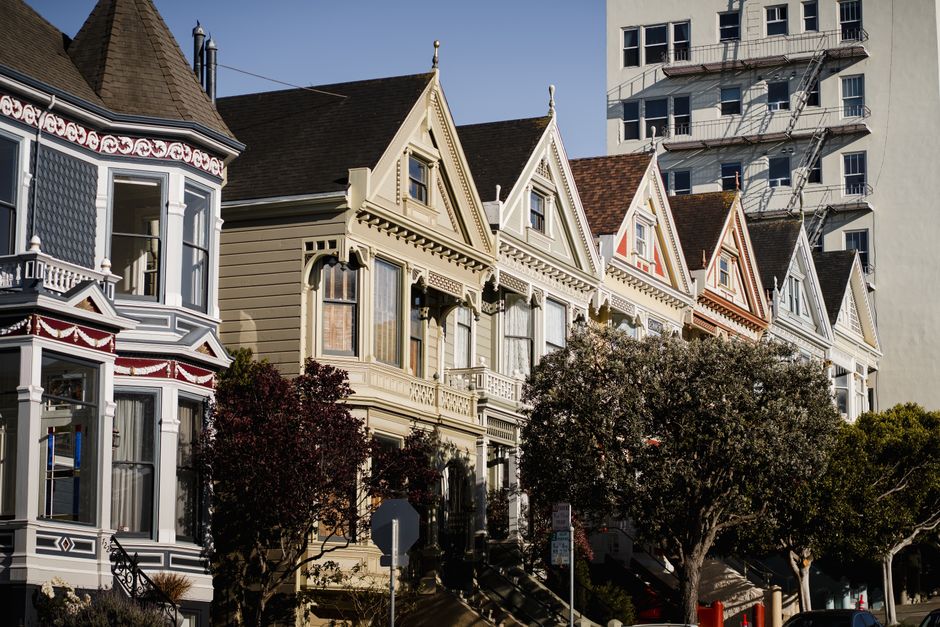
San Francisco's real estate landscape in mid-2026 presents a paradox for first-time buyers: opportunity exists, but only for those who understand which neighbourhoods offer genuine value versus hype. With the city's median price anchored at $1.3 million, strategic neighbourhood selection has become the difference between a sound investment and overpaying for prestige.
The traditional strongholds—Pacific Heights and Marina—remain formidable barriers to entry. Tree-lined streets and proximity to the Presidio command premium pricing that stretches first-time buyer budgets thin. However, savvy investors are increasingly looking eastward. The Mission and Dogpatch neighbourhoods have emerged as the growth corridors of 2026, offering more attainable entry points while maintaining strong fundamentals. Along Valencia Street and in the blocks surrounding Dogpatch's waterfront developments near 22nd Street, younger buyers are finding units in the $900,000–$1.2 million range—meaningful discounts compared to established areas, yet positioned to appreciate as tech sector demand reshapes the eastern waterfront.
First-time buyers should prioritise three critical factors when evaluating neighbourhoods. First, understand your commute reality. Remote work flexibility has shifted some demand, but proximity to employment hubs in SoMa and along the Embarcadero remains valuable. Second, assess infrastructure maturity. The Dogpatch's ongoing development around Jack Early Park means schools and public amenities are still settling; Mission neighbourhoods, by contrast, have established networks of cafés, transit access via BART at 24th Street, and cultural anchors like the Mission Cultural Center.
Third—and critically—monitor condo versus single-family dynamics. The condo market is active, particularly in new developments between 10th and 12th Streets in the Mission, but carry higher HOA fees. Single-family homes in gentrifying pockets of Noe Valley or Glen Park may require renovation investment but offer long-term equity upside.
Common pitfalls plague first-time buyers entering this market. One: overlooking mortgage qualification mechanics. San Francisco's affordability crisis means many qualify for less than they'd expected; working with lenders early prevents late-stage disappointments. Two: dismissing emerging areas. Five years ago, Dogpatch seemed peripheral; today it's coveted. Three: fixating on specific addresses rather than neighbourhood trajectory. A property at 18th and Mission may appreciate differently than one three blocks north.
The path forward requires patience and rigorous analysis. Attend open houses across multiple neighbourhoods, not just the obvious ones. Talk to long-term residents and recent arrivals alike. Study planning department documents—zoning changes signal future investment. San Francisco's market rewards informed decision-making, particularly for first-time buyers willing to look beyond the established premium zones.
This article was compiled by AI from the sources linked above and screened before publishing. See our editorial standards.