San Francisco's luxury market is entering a transformative phase. With the median home price hovering near $1.3 million citywide, a fresh wave of prestige developments is targeting a narrower, wealthier demographic—and in doing so, reshaping entire neighbourhoods.
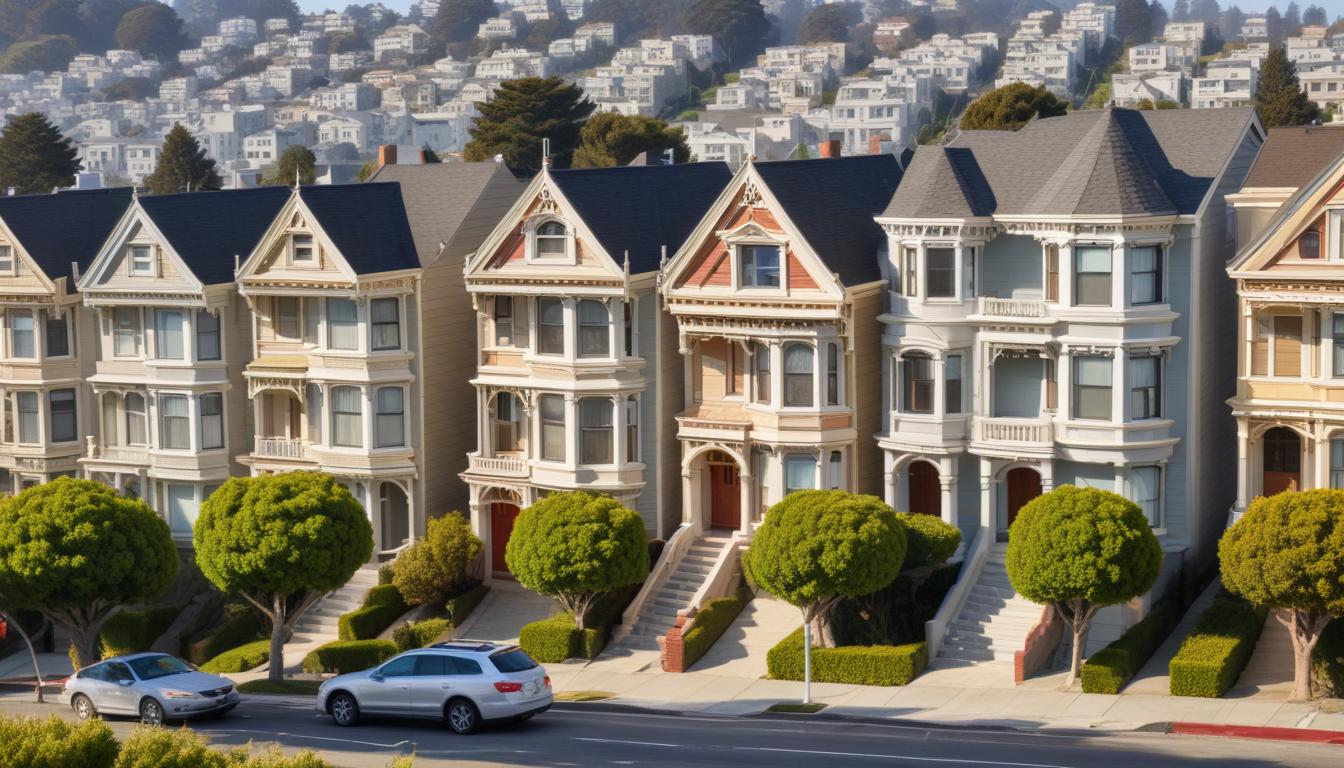
The most significant activity is clustered around traditional powerhouses. In Pacific Heights, where price-per-square-foot regularly exceeds $3,500, developers are banking on nostalgia and exclusivity. New mixed-use projects on Fillmore Street are combining heritage restoration with modern amenities: wine cellars, private gyms, and rooftop gardens overlooking the Bay. These aren't incremental upgrades; they're repositioning the neighbourhood as a sanctuary for executives and venture capitalists seeking established prestige over downtown's frenetic energy.
The Mission District tells a different story. Once dismissed by the traditional luxury buyer, projects around Valencia Street and the Dogpatch waterfront are drawing serious capital. Recent developments here emphasise raw aesthetics: exposed brick, soaring ceilings, and gallery-quality lighting—a deliberate pivot away from the ornate interiors favoured in older enclaves. Prices have climbed to $1.8 million for three-bedroom units, a 40% jump in five years.
Marina District developments deserve particular attention. Several projects are underway along Marina Boulevard, capitalising on proximity to both the Golden Gate Bridge and the Palace of Fine Arts. These aren't condos for the merely affluent; they're designed as trophy assets. Developer reports suggest units are being positioned at $3.2 million to $5.8 million, with emphasis on smart-home integration and private boat slips.
What distinguishes this cycle from previous booms is intentionality. Developers are no longer chasing volume; they're engineering lifestyle. Amenities now routinely include concierge services, private dining rooms, and direct partnerships with Michelin-starred restaurants. One Marina project even features an in-residence sommelier partnership with local wine merchants.
The tech sector's return to offices has accelerated this trend. With companies like Salesforce and Dropbox renewing commitment to San Francisco, executive housing demand has revived. These buyers aren't price-sensitive; they're location and prestige sensitive.
But there's a cautionary note. New supply in the luxury segment risks market saturation. San Francisco added approximately 1,200 high-end residential units in 2025 alone. If the tech cycle falters, or if international capital flows shift, these developments could face unexpected headwinds.
For now, though, San Francisco's luxury neighbourhoods are in the midst of a significant recalibration—one that will define the city's character for the next decade.
This article was compiled by AI from the sources linked above and screened before publishing. See our editorial standards.