New Developments Are Reshaping First-Home Buyer Prospects Across San Francisco
As mixed-income projects rise in the Mission and Dogpatch, first-time buyers are discovering fresh entry points—and grants—that weren't available five years ago.
As mixed-income projects rise in the Mission and Dogpatch, first-time buyers are discovering fresh entry points—and grants—that weren't available five years ago.
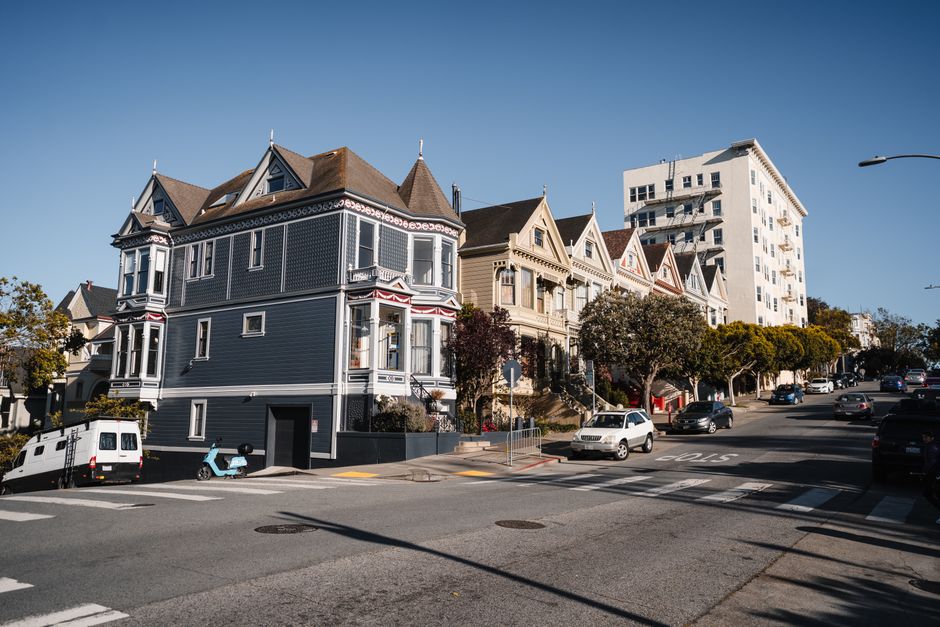
San Francisco's first-home buyer landscape is shifting in ways that extend far beyond the traditional Marina and Pacific Heights strongholds. The emergence of new residential developments across emerging neighbourhoods is creating tangible opportunities for younger buyers willing to look beyond the city's most established postcodes—and the grants and financing programs following these projects make the prospect less daunting.
The Mission and Dogpatch have become focal points for this transformation. Several mid-rise projects currently under construction or in pre-sales phases are explicitly reserving units for below-market-rate (BMR) buyers, a shift that directly affects first-time purchasers. At the median San Francisco price point of USD 1.3 million, these developments offer a meaningful alternative. Units in newer construction often qualify for state and local first-home buyer grants—California's CalHFA program and San Francisco's Downpayment Assistance Loan Program (DALP) remain active, though availability fluctuates with each project.
What distinguishes today's market is the infrastructure. Rather than competing with cash offers on 1970s Victorians south of Market Street, buyers can now access newly built units with modern amenities, often with lower initial down payments thanks to developer partnerships with lending institutions. Several projects along 16th and 17th Streets in the Mission, plus emerging pockets near the Dogpatch waterfront, have structured deals specifically for local first-time buyers earning between USD 80,000 and USD 120,000—roughly 80–120 per cent of area median income.
The neighbourhood effect matters enormously. As these developments activate previously overlooked blocks—particularly along Valencia Street extensions and near the recently revitalised waterfront near Pier 70—surrounding amenities improve accordingly. New coffee roasteries, transit connections, and public spaces don't just enhance livability; they stabilise property values in ways that benefit early buyers. A unit purchased today in an up-and-coming corridor has different long-term equity potential than it did in 2024.
First-time buyers should engage directly with developers' sales teams, not just brokers, to understand grant eligibility. Many projects partner with non-profit lenders and community organisations like the San Francisco Housing Action Coalition to streamline applications. Documentation requirements vary, but pre-qualification conversations—entirely free—can clarify what grants and loan structures apply before serious offers.
The timing is notable. With tech sector demand returning and construction costs stabilising, the supply of new units targeting this buyer profile is expected to peak in 2027. For those serious about entry, the next twelve months represent a genuine window. The days of waiting for a sub-USD 1.2 million detached home in the core city may be over, but the emergence of well-located, grant-eligible units in neighbourhoods with genuine momentum offers a compelling alternative.
This article was compiled by AI from the sources linked above and screened before publishing. See our editorial standards.
How does this story make you feel?
Spread the word
About this article
Published by The Daily San Francisco
Daily brief
Free, in your inbox before 7am. Weekdays.
More in Property