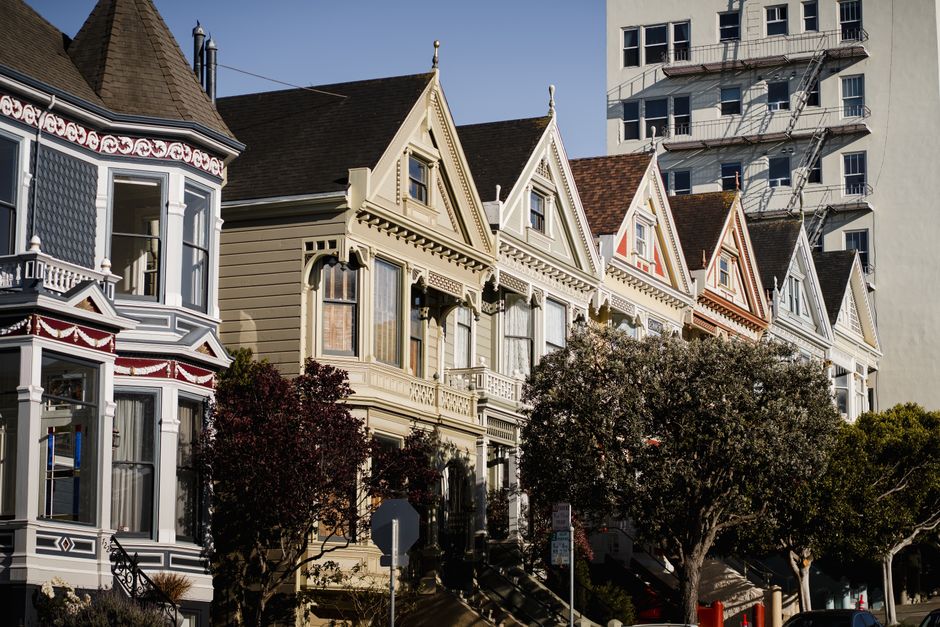
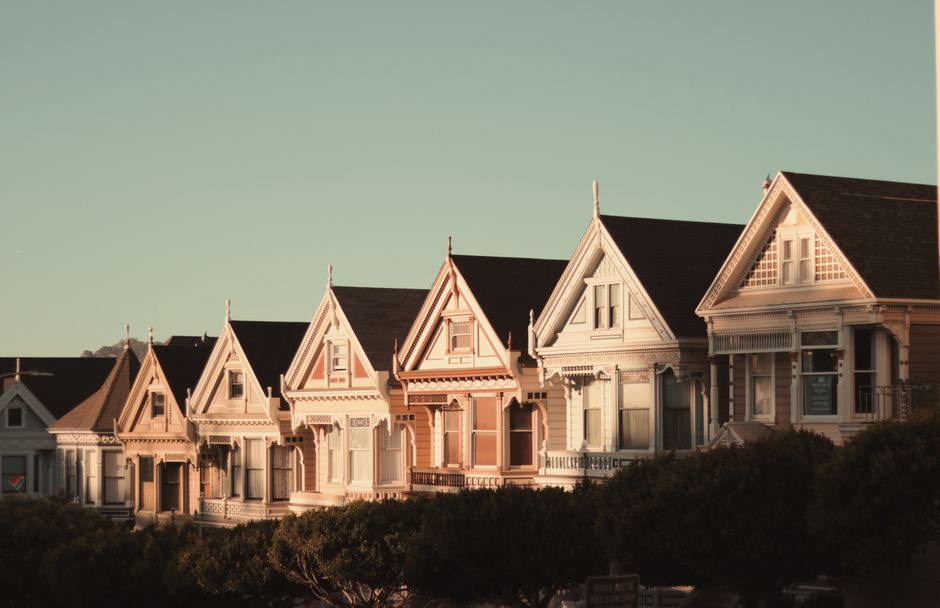
San Francisco's rental market is entering a critical inflection point. With the city's median rent hovering near $2,800 for a one-bedroom—down modestly from pandemic highs but still punishing for working families—new housing approvals threading through the Planning Department are beginning to reshape expectations on both sides of the landlord-tenant divide.
The acceleration of projects along Mission Street and the Dogpatch waterfront represents the most significant pipeline shift since 2019. The Planning Commission approved 847 residential units in the first quarter of 2026 alone, a 34 percent jump from the same period last year. Yet this supply surge is arriving unevenly, and its effects are already visible in neighborhood-by-neighborhood rental patterns.
For tenants, the data tells a nuanced story. In the Mission District, where multiple mixed-use developments near the 16th Street BART station are ramping construction, rental listings have begun accumulating—unusual in this notoriously tight market. Apartments that would have leased within 48 hours two years ago are now sitting listed for seven to ten days. Average asking rents in the Mission have plateaued at roughly $2,950 for a one-bedroom, providing the first genuine negotiating room for renters in years.
But landlords paint a different picture. Smaller property owners operating single buildings or modest portfolios report mounting pressure. Rising construction costs, property taxes tied to the city's ongoing fiscal challenges, and newly approved rent-stabilization measures are compressing margins. Several landlords have begun offering move-in concessions—waived deposits, free months—tactics that were virtually extinct during the 2021-2023 boom.
The Dogpatch surge complicates matters further. While new construction there targets mixed-income households, existing tenants in older walk-ups face displacement as property values climb. The neighborhood's median rent has jumped to $3,100, making it effectively unaffordable for anyone outside the tech sector without roommates or household subsidies.
Housing advocates and developers agree on one point: approval velocity matters less than completion velocity. Projects approved today won't add functional units to the market for another 24 to 36 months. That lag period creates a dangerous window where rental pressure remains acute even as future supply appears imminent.
The SFAA (San Francisco Apartment Association) estimates that sustained annual deliveries of 2,500-plus units would be needed to genuinely relax the market. Current trajectories suggest 1,200-1,400 units annually through 2028. Until that calculus shifts, both tenants and landlords will remain caught between optimism about supply and the grinding reality of current conditions.
This article was compiled by AI from the sources linked above and screened before publishing. See our editorial standards.