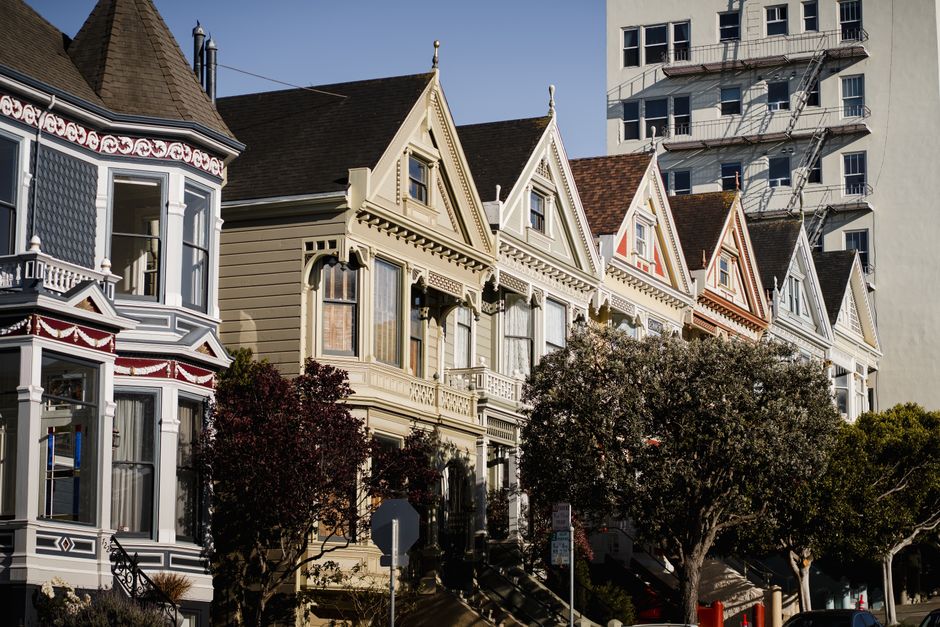
San Francisco's rental market is experiencing a sharp reset after years of volatility, and the implications for both landlords and tenants couldn't be starker. With the tech sector's renewed appetite for Bay Area real estate and vacancy rates hovering near historic lows, investment property yields are climbing—but affordability pressures are intensifying for renters already squeezed by the city's notoriously high cost of living.
Recent market data shows rental increases accelerating across most neighbourhoods. In the Mission District, where tech workers and young professionals cluster near restaurants and Transit Centre bars, average rents have climbed roughly 8-12% year-on-year. Pacific Heights and the Marina, long bastions of premium residential real estate, continue commanding $4,500-plus for two-bedroom units. Even traditionally more affordable pockets like Dogpatch are seeing landlords capitalize on the neighbourhood's growing appeal, with yields improving as property values near the waterfront and tech campuses surge.
For property investors, the environment is markedly better than the pandemic downturn. Landlords can now realistically expect 4-5% gross yields in competitive neighbourhoods, particularly when factoring in property appreciation alongside rental income. Management organisations like the San Francisco Apartment Association have noted increased inquiries from both existing and new investors seeking to expand portfolios. The combination of tech sector stabilization and limited housing supply continues to underpin strong fundamentals.
But the picture is decidedly grim for renters. Tenant advocacy groups report unprecedented contact volumes from residents facing steep rent increases or eviction pressures. Organizations supporting vulnerable populations have flagged particular strain in neighbourhoods near BART corridors and along Van Ness Avenue, where conversion of rent-controlled units and older buildings has reduced options for lower-income households. The San Francisco Rent Board's recent data confirms that no-cause evictions, though capped by local law, remain a persistent concern for month-to-month tenants.
Smart landlords are navigating this delicate balance by recognizing that stability retention often outperforms aggressive rent-hike strategies. Selective 3-5% annual increases, combined with quality maintenance and responsive management, tend to minimize vacancies and turnover costs—a lesson particularly relevant in neighbourhoods like the Mission and Dogpatch where tenant churn can be costly.
The broader lesson: San Francisco's rental market is bifurcating. Investors with capital and patience are capturing solid returns, while renters without rent protection face genuine displacement risk. As the market tightens further, both sides will need to reckon with a simple reality: you cannot indefinitely sustain 8-12% annual rent increases in a city where median incomes haven't kept pace.
This article was compiled by AI from the sources linked above and screened before publishing. See our editorial standards.