San Francisco's Rental Yields Tell a Tale of Investor Patience as Vacancy Softens Returns
With tech hiring stabilising and remote work normalising, SF landlords are discovering that strong occupancy rates mask shrinking profit margins.
With tech hiring stabilising and remote work normalising, SF landlords are discovering that strong occupancy rates mask shrinking profit margins.
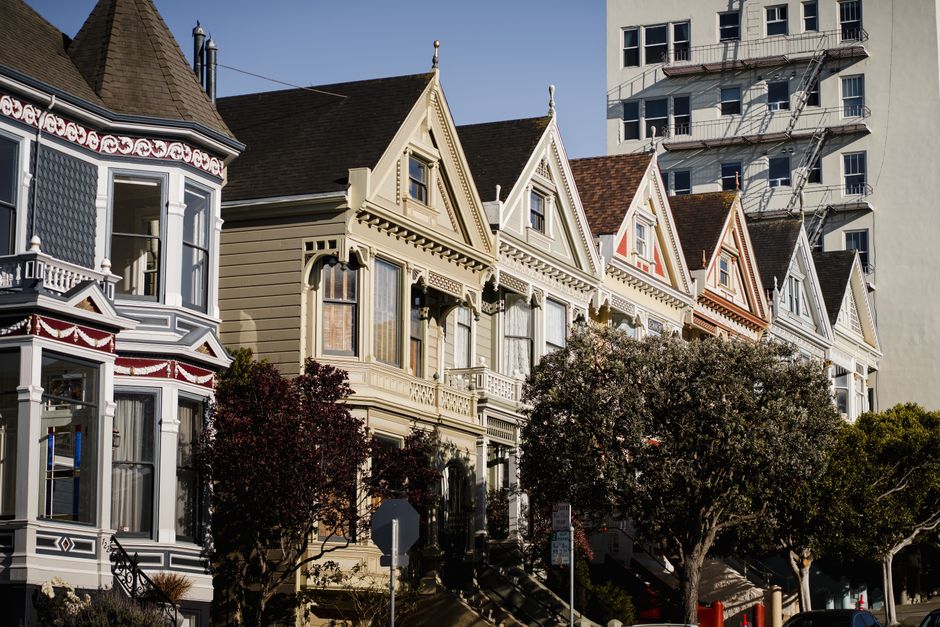
The San Francisco rental market has entered a peculiar phase in mid-2026: occupancy is climbing, yet investor yields are compressing in ways that challenge assumptions about the city's recovery trajectory.
Data from residential property managers tracking buildings across SOMA, the Mission, and Pacific Heights reveals a nuanced picture. While citywide vacancy rates have fallen to approximately 4.5 percent—down from peaks above 7 percent during the pandemic exodus—gross rental yields have plateaued around 3 to 3.8 percent annually. For investors accustomed to the 4.5 to 5.2 percent returns seen in 2021-2023, the shift represents a meaningful headwind.
Consider the mechanics at ground level. A two-bedroom apartment in the Mission District, near Valencia Street's restaurant corridor, commands $3,200 monthly on average. That translates to a $38,400 annual rent roll. But the median purchase price for similar units hovers near $1.2 million, yielding just 3.2 percent gross return before property taxes, maintenance, and insurance—costs that consume another 1 to 1.5 percent in this market.
The paradox reflects how San Francisco's rental recovery differs from other metros. Tech sector rehiring brought workers back to offices downtown and around the Financial District, stabilising demand. Yet landlords haven't been able to raise rents dramatically. Tenants, armed with protections under the Rent Board's regulations and bruised by earlier displacement fears, have proven price-resistant. Landlords increasingly offer concessions—one month free, upgraded appliances, flexible lease terms—that effectively discount published rates.
In Marina and Pacific Heights, where median rents exceed $4,000 for two-bedroom units, yields compress even further. The mathematical reality: a $2.8 million property generating $48,000 annual rental income returns just 1.7 percent before operating costs.
What this means for investors requires pragmatism. Capital appreciation remains the primary return engine. Those betting on San Francisco are essentially wagering on long-term price growth rather than cash-on-cash yields. For passive income seekers, the market offers limited appeal compared to secondary metros or bonds yielding comparable returns.
Market observers tracking listings through Mission Bay and Dogpatch—where new construction has added rental supply—note that landlords are competing aggressively for qualified tenants. The days of vacancy premiums are behind us. Smart investors now focus on unit renovation, tenant retention, and operational efficiency rather than simple rent escalation.
The message from 2026's numbers is clear: San Francisco remains a landlord's market in terms of occupancy, but a tenant's market in terms of pricing power. Investor returns will reward patience, not speculation.
This article was compiled by AI from the sources linked above and screened before publishing. See our editorial standards.
How does this story make you feel?
Spread the word
About this article
Published by The Daily San Francisco
Daily brief
Free, in your inbox before 7am. Weekdays.
More in Property