New Housing Supply Brings Relief—But Not Equally—As San Francisco's Rental Divide Deepens
Competing interests of landlords and tenants collide as major construction projects reshape the city's rental landscape.
Competing interests of landlords and tenants collide as major construction projects reshape the city's rental landscape.
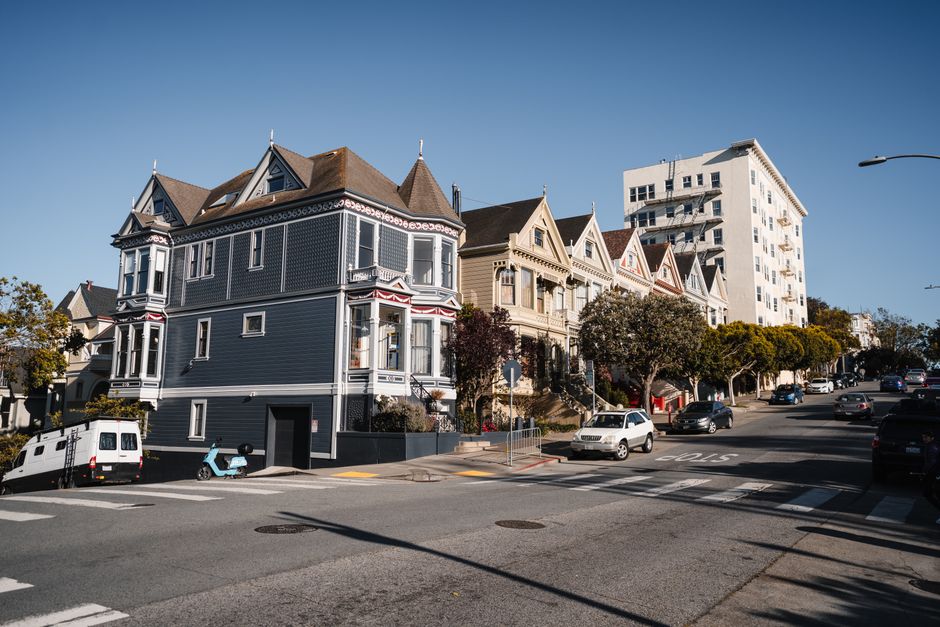
San Francisco's construction pipeline is busier than it has been in years. From the Dogpatch waterfront to the edges of the Mission District, cranes dot the skyline as developers race to add units to a market that has long suffered from scarcity. Yet the incoming supply is creating a peculiar tension: while some landlords see opportunity in rising rents, tenants face a narrowing window of affordability in neighbourhoods once considered accessible.
The numbers tell a complicated story. Since 2024, the city has approved approximately 4,200 new rental units, with an additional 2,800 in active construction phases. The median rent for a one-bedroom apartment now hovers around $2,850 monthly—a modest decline from pandemic peaks, but still far above what many existing residents can sustain without cost burden. In the Mission, where major projects along Valencia Street and Bryant Street are underway, landlords in older buildings are capitalising on neighbourhood appeal by raising rents by 8-12 per cent annually, pushing out long-term tenants and reshaping community demographics.
For landlords, particularly small-scale property owners, new construction represents both competitive pressure and tactical opportunity. Many are upgrading existing units to capture younger, higher-earning renters attracted to neighbourhoods experiencing renewal. Property owners along the Mission-Dogpatch corridor report confidence that nearby development will support rental growth for at least the next three years. Meanwhile, institutional investors acquiring older multifamily buildings are fast-tracking renovations to align rents with neighbourhood trajectories.
Tenant advocates, however, argue that approvals without affordability requirements amount to displacement in slow motion. While the city's Inclusionary Housing Ordinance mandates 25 per cent affordable units in new construction, developers frequently opt to pay in-lieu fees instead—money that flows into the city's affordable housing fund but does not immediately create homes for those earning 60 per cent of area median income. In the Marina and Pacific Heights, where median rents exceed $3,400, this dynamic is less visible; in the Mission, it is acute.
Regulatory bottlenecks persist despite approval momentum. Environmental review timelines and parking requirements continue to slow projects in Western Addition and near the Embarcadero. Some property owners report 18-month delays between approval and groundbreaking, during which construction costs—and eventual rents—climb steadily.
As San Francisco's rental market transitions from acute shortage to managed growth, the city faces a fundamental question: can construction volume, even substantial, outpace the economic forces that segment tenants by income? Early evidence suggests supply alone will not answer it.
This article was compiled by AI from the sources linked above and screened before publishing. See our editorial standards.
How does this story make you feel?
Spread the word
About this article
Published by The Daily San Francisco
Daily brief
Free, in your inbox before 7am. Weekdays.
More in Property