San Francisco's rental market is sending mixed signals to property investors, and the numbers reveal a story far more nuanced than headlines about tech-driven demand suggest.
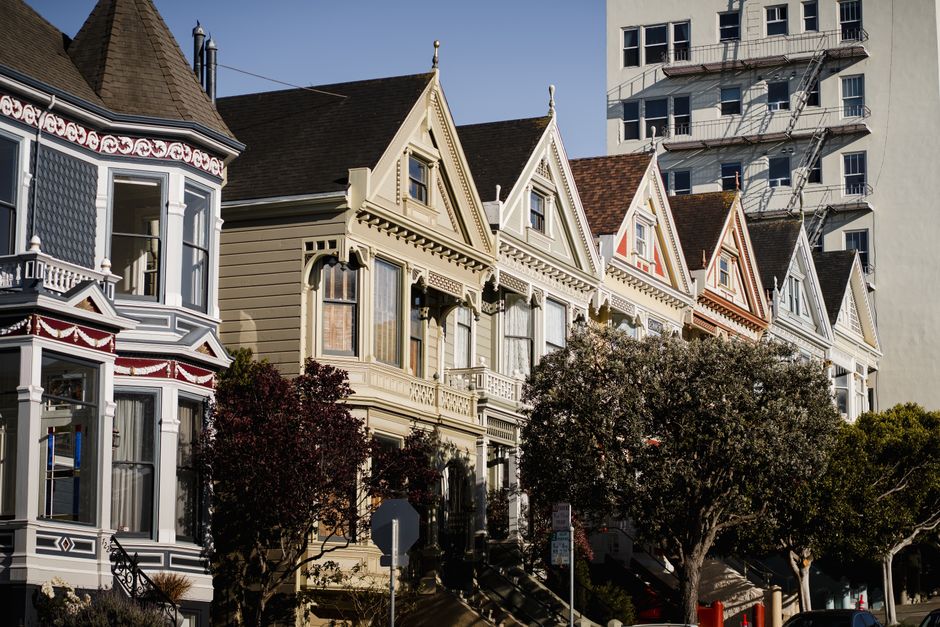
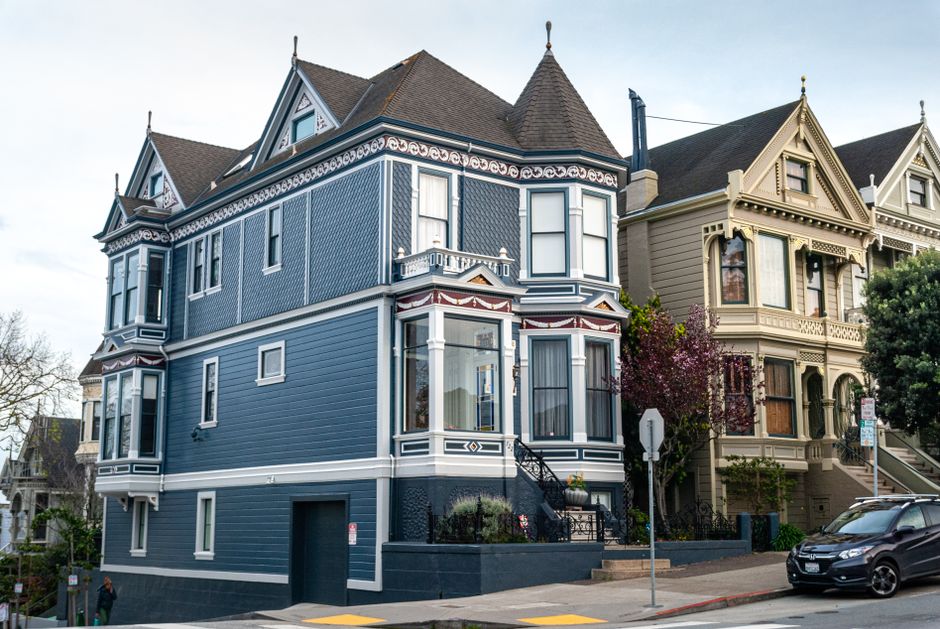
Gross rental yields—the annual rent divided by property value—tell the cautionary tale most clearly. In Pacific Heights and Marina, where median property values hover around $2.8 million, even well-maintained three-bedroom units struggle to generate yields above 2.5 per cent. A $3 million Victorian home renting for $8,500 monthly delivers just 3.4 per cent gross yield before accounting for property tax, maintenance, insurance, and vacancy periods. After expenses, net yields often sink below 1.5 per cent.
The emerging rental vacancy rate—now sitting at approximately 6 per cent city-wide, up from the pandemic lows of 3 per cent—has shifted momentum. Mission District and Dogpatch neighbourhoods, once investor darlings during the 2020s recovery, are experiencing meaningful softness. Two-bedroom apartments that commanded $4,200 monthly in early 2025 now lease for $3,850, with landlords offering concessions including free parking or month-free incentives.
Yet the picture differs dramatically by micromarket. South of Market and near the Embarcadero—traditionally institutional territory—maintains tighter occupancy as office-to-residential conversions absorb units. Conversely, traditional rental strongholds like the Richmond and Sunset districts, where properties trade closer to the $1.3 million median, show more resilient yields around 4.5 per cent gross, though tenant turnover costs remain substantial.
The hard reality: San Francisco's rental investment case has deteriorated materially. Rising property values haven't tracked rental growth since 2023. A four per cent annual rent increase—historically modest by Bay Area standards—generates inadequate returns when financing costs remain elevated and capital gains expectations moderate.
Smart investors are recalibrating. Some are pivoting toward value-add repositioning in overlooked corridors like Potrero Hill's emerging blocks, where yield compression is less severe. Others are reconsidering the hold-for-appreciation model that dominated investor strategy throughout the 2010s tech boom.
For prospective tenant advocates, the rising vacancy is welcome news. Tenant unions from the Mission Economic and Cultural Association to broader advocacy networks now possess genuine negotiating leverage—something absent during the previous decade's supply crunch.
The message for investors is clear: San Francisco's rental market no longer delivers compelling standalone cash returns. Success now demands either superior management efficiency, strategic neighbourhood selection, or acceptance that capital appreciation—increasingly uncertain—remains the primary return driver.
This article was compiled by AI from the sources linked above and screened before publishing. See our editorial standards.