news
San Francisco's Zoning Failures Drive Median Rents Above $3,200
A new city report released this week confirms what tenants already knew: broken permitting rules and a decade of blocked housing production have driven rents to record territory.
How we reported this
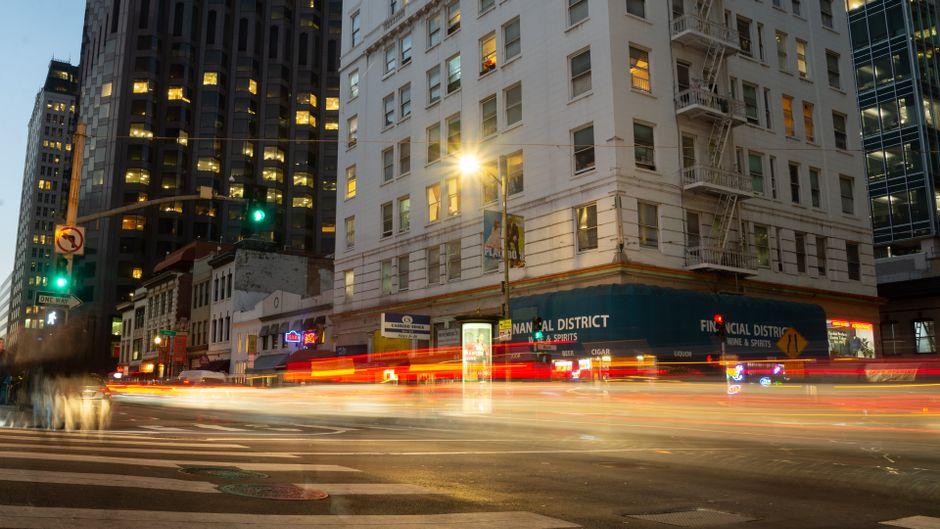
San Francisco's median monthly rent crossed $3,200 for the first time this week, according to a Housing Balance Report released Wednesday by the Planning Department, a figure that puts the city's rental market in rarefied company alongside Manhattan and sets a grim milestone heading into the July 4th holiday weekend. The report, covering the first half of 2026, attributes the surge directly to a structural shortfall: fewer than 1,800 net new units came online citywide in the past 12 months, against a state-mandated Regional Housing Needs Allocation target of roughly 10,000 units per year through 2031.
The timing matters. Mayor Daniel Lurie, who took office in January after ousting London Breed, pledged during his campaign to cut permitting timelines in half and streamline the city's notoriously complex discretionary review process. Six months in, the pipeline remains largely clogged. Projects in the Western Addition and along the Geary Boulevard corridor have been stalled at the Board of Appeals or tied up in environmental review for an average of 34 months, according to the same Planning Department data. The state Housing Accountability Act was supposed to prevent exactly this kind of delay, but enforcement has been patchy at best.
Where Rents Are Climbing Fastest
The sharpest increases are concentrated in neighborhoods that should, in theory, be adding density. In the Mission District, a one-bedroom apartment that listed for $2,750 in January 2025 now commands $3,050, according to listings aggregated by Rent Jungle. In Hayes Valley, two-bedroom units have cleared $4,100 per month near the Patricia's Green area, driven partly by demand from workers at AI firms that have expanded into the mid-Market corridor over the past 18 months. The Tenderloin, historically the city's lowest-rent district, now shows a median one-bedroom rate of $2,480, a 14 percent jump year over year.
The San Francisco Rental Housing Coalition, which represents smaller landlords, told Planning Commission members at Tuesday's hearing that the problem is not lack of demand for new construction but the cost and uncertainty of building here. A standard 50-unit residential building in SoMa now carries all-in development costs of roughly $900,000 per unit, owing to labor, materials, and city fees including the Affordable Housing Fee, which runs $25 to $37 per square foot depending on the project type. At those numbers, market-rate rents below $3,500 per month barely pencil out for developers.
What the City Is Actually Doing About It
The Board of Supervisors passed a second reading Thursday of Supervisor Myrna Melgar's Infill Activation Ordinance, which would exempt parcels along 18 designated transit corridors, including stretches of Van Ness Avenue, 19th Avenue, and Mission Street, from certain discretionary review triggers. Supporters argue the measure could add 4,000 to 6,000 units to the pipeline over five years. Critics at the San Francisco Tenants Union contend it does little to address affordability since most unlocked capacity will flow to market-rate units rather than the below-market inventory managed through the Mayor's Office of Housing and Community Development.
The state Department of Housing and Community Development is watching closely. California sent San Francisco a formal notice of non-compliance with its Housing Element commitments in March, and a follow-up audit is scheduled for September. If the city cannot demonstrate measurable progress by then, it risks losing eligibility for roughly $180 million in state infrastructure grants currently earmarked for Muni capital improvements and sewer upgrades, funding the city is counting on to handle development growth in the first place.
For renters trying to navigate the market right now, advocates at Tenderloin Housing Clinic and the Mission Economic Development Agency are urging anyone facing a rent increase above 60 percent of the local CPI to file for review under the Rent Ordinance before August 1, when the annual allowable increase resets. The allowable increase for 2026 is 1.9 percent; anything above that on a rent-controlled unit is challengeable. The Housing Rights Committee at 417A Valencia Street is offering free walk-in clinics every Tuesday through the end of the month.