SF Built Half the Homes It Needed Last Year — and Renters Are Paying for It
New city data released this week shows San Francisco permitted just 1,840 units in the first half of 2026, even as median rents have climbed 34% since 2020.
New city data released this week shows San Francisco permitted just 1,840 units in the first half of 2026, even as median rents have climbed 34% since 2020.
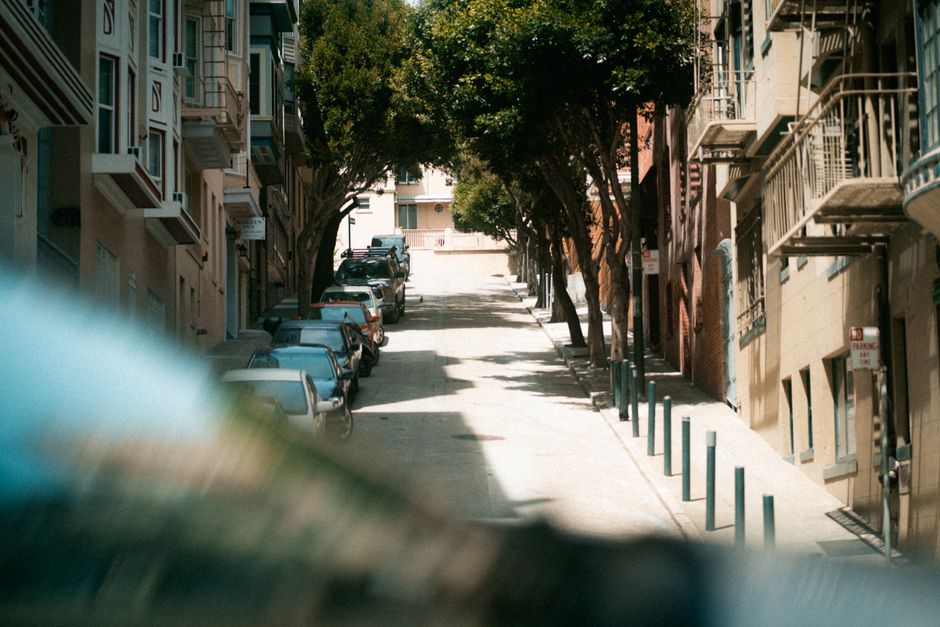
San Francisco permitted fewer than half the housing units it needs to stay on pace with state-mandated targets, according to figures the Planning Department posted Thursday — and the gap is showing up directly in what tenants pay every month. The median asking rent for a one-bedroom in the city hit $3,640 in June, up from roughly $2,716 in 2020, a 34% climb that has outlasted the post-pandemic slump many landlords and economists predicted would last.
The numbers landed on the Fourth of July weekend with particular force because the Board of Supervisors faces a September deadline to either approve or gut Mayor Daniel Lurie's housing production emergency package, a set of zoning overrides and fee waivers first floated in April. State law requires San Francisco to permit 82,069 new units between 2023 and 2031 under the sixth-cycle Regional Housing Needs Allocation. Through the first 18 months of that window, the city has logged fewer than 9,000 permitted units — roughly 22% of the eight-year target.
The crunch is concentrated in specific corridors. The Central SoMa Plan, adopted years ago to unlock high-density residential towers along Folsom and Harrison streets between 4th and 6th, has produced three completed projects and seven more stalled in litigation or caught in the Department of Building Inspection's permit queue. In the Sunset District, a stretch of Irving Street between 19th and 25th Avenues that planners flagged in 2024 as suitable for mid-rise infill has seen exactly one application filed. The San Francisco Housing Action Coalition, which tracks pipeline projects, counts more than 14,000 approved units citywide that have not broken ground — held up by construction financing costs that pushed the average cost of building a market-rate unit in San Francisco above $1.1 million last year.
The Tenderloin and Mid-Market neighborhoods tell a different story. The nonprofit Tenderloin Neighborhood Development Corporation completed 94 units of permanently affordable housing at 222 Taylor Street in March, and the city's Small Sites Program acquired six rent-controlled buildings containing 71 units in the first quarter of 2026, preserving them against Ellis Act conversions. But advocates note those programs are designed to protect existing tenants, not expand overall supply.
The Planning Department's mid-year report, 47 pages released Thursday on the city's website, breaks down permitting by neighborhood and unit type. Single-family permits are essentially flat at 312 for the first half of 2026. Multifamily projects of five units or more account for the bulk of the 1,840 total, but that figure is down 18% compared to the same period in 2025, when rising interest rates had already cooled developer appetite. The Mission District, once a battleground over market-rate displacement, permitted 204 units in the first six months — its best six-month performance since 2019, driven almost entirely by two projects on South Van Ness Avenue.
Meanwhile, rents at the top of the market are softening slightly in neighborhoods like Rincon Hill and Mission Bay, where new supply did hit the market. A two-bedroom at one of the towers along the Embarcadero waterfront can be leased today for $5,100, down from a 2025 peak of $5,400. But those marginal declines at the luxury end have not filtered down to the working-class renters in the Excelsior or the Outer Richmond who are competing for older rent-controlled stock that rarely turns over.
The Board of Supervisors Housing Committee meets again July 15 at City Hall, Room 250, where Lurie's office is expected to present a revised version of the emergency package that drops a controversial provision allowing ministerial approval for projects up to 85 feet in height near BART stations — a concession to supervisors representing Glen Park and Balboa Park neighborhoods. If the package clears committee, a full board vote could come before the August recess. Tenant advocates at the Housing Rights Committee on 16th Street say they plan to pack that July 15 hearing. For renters in the city today, the arithmetic is straightforward: until permitted units start closing the gap with state targets, there is no structural reason for rents to fall.
How does this story make you feel?
Spread the word
About this article
Published by The Daily San Francisco
Daily brief
Free, in your inbox before 7am. Weekdays.
More in News


