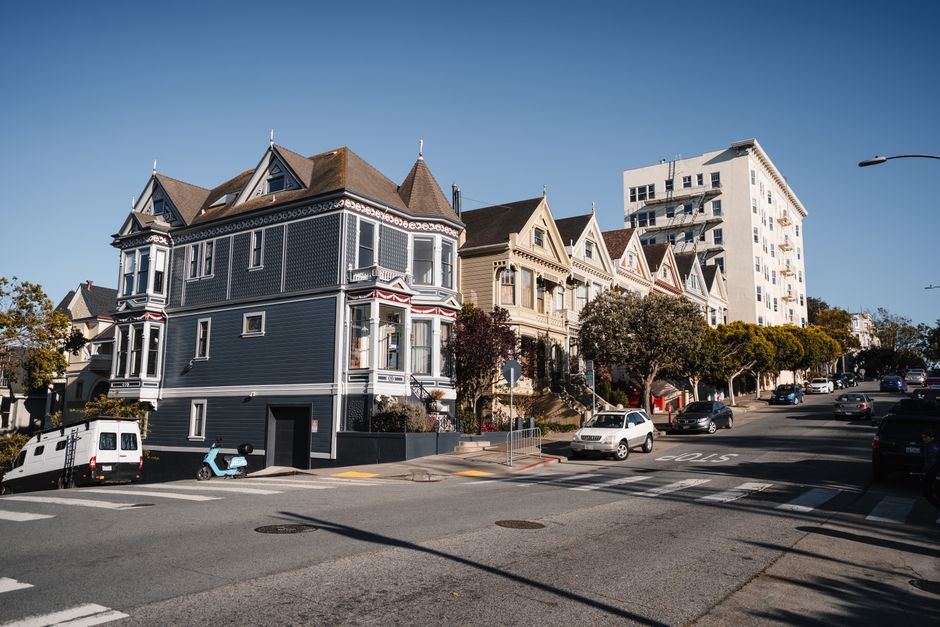
The shifting plates of the Mission: How San Francisco’s dining scene is evolving
From neighborhood staples to avant-garde tasting menus, the city's culinary geography is undergoing a structural transformation.
From neighborhood staples to avant-garde tasting menus, the city's culinary geography is undergoing a structural transformation.
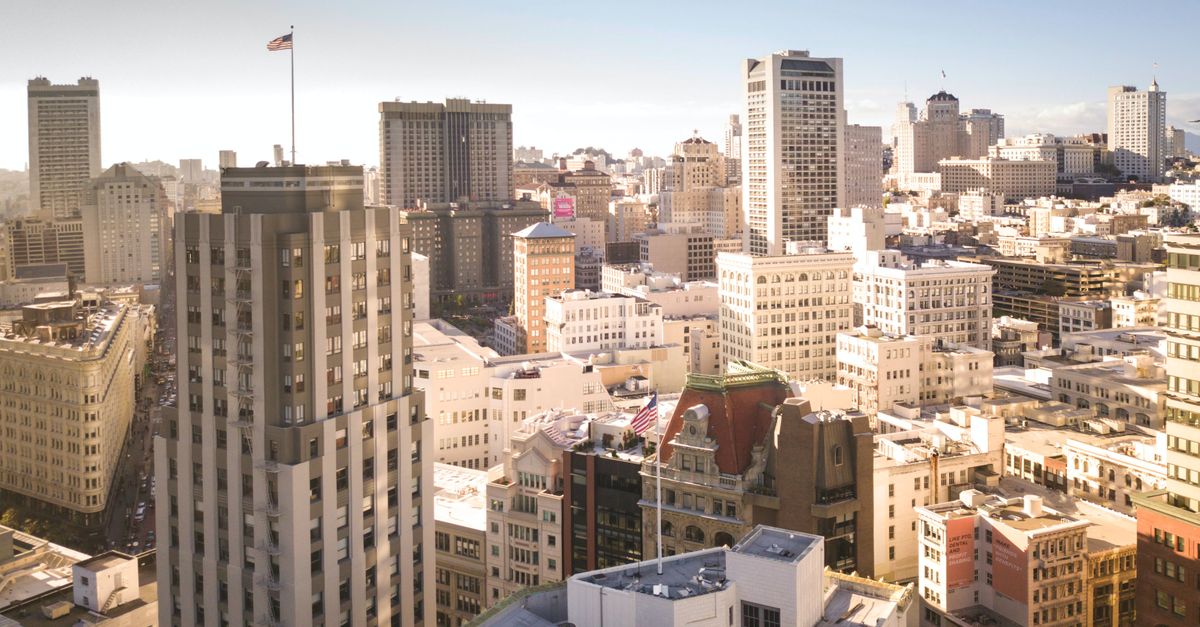
The culinary landscape in San Francisco is experiencing a marked shift as the traditional boundaries of neighborhood dining dissolve into a more fluid, experiential model. While long-standing institutions continue to anchor the city’s identity, a wave of new concepts is prioritizing flexibility and localized supply chains, fundamentally changing how residents interact with the local restaurant economy.
In the Mission District, the interplay between historic cultural hallmarks and modern culinary innovation has reached a new inflection point. Establishments such as La Taqueria on Mission Street continue to draw consistent crowds, maintaining a decades-long legacy that defines the neighborhood’s character. However, this heritage is now being balanced by a rise in specialized, reservation-heavy venues that occupy formerly quiet industrial corners. The evolution is visible not just in the menus, but in the physical architecture of these spaces, which increasingly favor shared communal seating and open-kitchen layouts designed for transparency.
This transition reflects a broader trend across San Francisco where restaurateurs are adapting to higher operational costs and shifting consumer preferences. Organizations like the Golden Gate Restaurant Association have documented the ongoing challenges regarding labor and real estate that influence these stylistic changes. Diners are now seeing a move away from formal white-tablecloth service toward high-concept, casual environments that still command premium price points. The emphasis on hyper-local sourcing-often highlighting produce from nearby farms in the Central Valley-has become a standard requirement for success rather than a point of differentiation.
Data regarding the local hospitality sector indicates that establishments are managing tight margins by diversifying their revenue streams. For instance, many venues in the Tenderloin and SoMa districts have integrated retail components, selling house-made pantry goods or curated wine selections to offset traditional overhead. According to reports from the San Francisco Office of Economic and Workforce Development, the hospitality sector remains a central pillar of the city's employment, even as the density of dining options in core corridors like Valencia Street continues to fluctuate.
For those navigating this changing environment, the best approach is to monitor the shifting reservation landscape. Many of the city's most innovative kitchens now utilize dynamic pricing or ticketed seating systems for their tasting menus, a departure from the traditional call-in reservation model. To stay ahead of these trends, diners should prioritize checking the direct websites of local institutions for the most current updates on service hours and seasonal menu pivots, as the agility required to survive in today's climate often means operations are subject to sudden, strategic adjustments.
How does this story make you feel?
Spread the word
About this article
Published by The Daily San Francisco
Daily brief
Free, in your inbox before 7am. Weekdays.
More in lifestyle