Haight-Ashbury: The cost, access, and everything you need to know before going
A guide to navigating the historic heart of the counterculture era while managing local crowds and transit logistics.
A guide to navigating the historic heart of the counterculture era while managing local crowds and transit logistics.
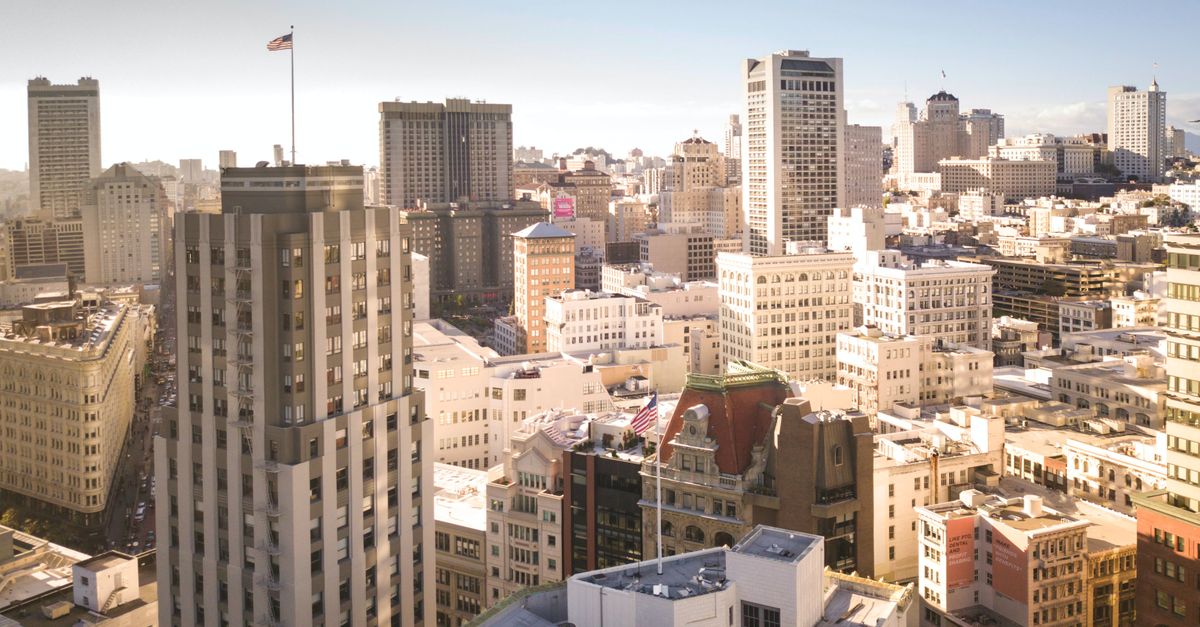
Haight-Ashbury remains a defining corridor of San Francisco, drawing thousands of visitors daily to the intersection of Haight and Ashbury streets. As the neighborhood continues to serve as a focal point for both local commerce and historical tourism, understanding the nuances of logistics and regional transit is essential for those planning a visit to the cradle of the 1960s Summer of Love.
Access to the area is primarily managed via the San Francisco Municipal Railway (Muni) network. The N-Judah light rail line, which runs along Carl Street near the southern edge of the neighborhood, provides the most efficient route for those traveling from downtown or the Embarcadero. Alternatively, the 7-Haight/Noriega bus remains a reliable transit option, traversing the length of the commercial district. Visitors arriving by private vehicle should be aware that street parking is limited and strictly enforced; public parking garages are nonexistent within the immediate historic district, making public transit or ride-share services the standard recommendation for access.
For those looking to explore the area's history, the nearby Buena Vista Park offers expansive views of the city skyline and serves as a natural border to the district. Retail activity is concentrated heavily between Masonic Avenue and Stanyan Street. Book enthusiasts frequently visit The Booksmith, a long-standing independent bookstore that hosts regular author events, while collectors often search for vintage vinyl at Amoeba Music, located just across the border in the Cole Valley/Haight periphery. These venues act as anchors for the local retail economy, drawing steady foot traffic throughout the week.
Budgeting for a day in the Haight depends largely on dining preferences and shopping habits. Casual dining spots along the main strip typically offer meals ranging in price, with many local cafes catering to both residents and tourists. According to the most recent San Francisco Chamber of Commerce district reporting, pedestrian volumes in the Haight-Ashbury corridor are among the highest in the city during summer weekends, often peaking between 1:00 p.m. and 4:00 p.m. Visitors should anticipate larger crowds during these windows, which may impact wait times at local eateries.
Before heading out, check the current status of the Muni transit map for any scheduled track maintenance along the N-Judah line. Unlike larger, more centralized tourist hubs, Haight-Ashbury is a residential-commercial hybrid; respectful behavior toward the surrounding neighborhood and its residents is prioritized by local business groups. Plan to arrive during weekday mornings if your goal is to photograph the historic Victorian architecture without the obstruction of heavy midday crowds. Wearing comfortable walking shoes is a necessity, as the incline toward the base of Mount Sutro can be steep for those unfamiliar with the city's topography.
How does this story make you feel?
Spread the word
About this article
Published by The Daily San Francisco
Daily brief
Free, in your inbox before 7am. Weekdays.
More in lifestyle