lifestyle
Haight-Ashbury Residents Keep Counterculture Heartbeat Alive Beyond Tourism
Beyond the tie-dye and the tourist cameras, the neighborhood's enduring soul is found in the residents who maintain its countercultural heartbeat.
How we reported this
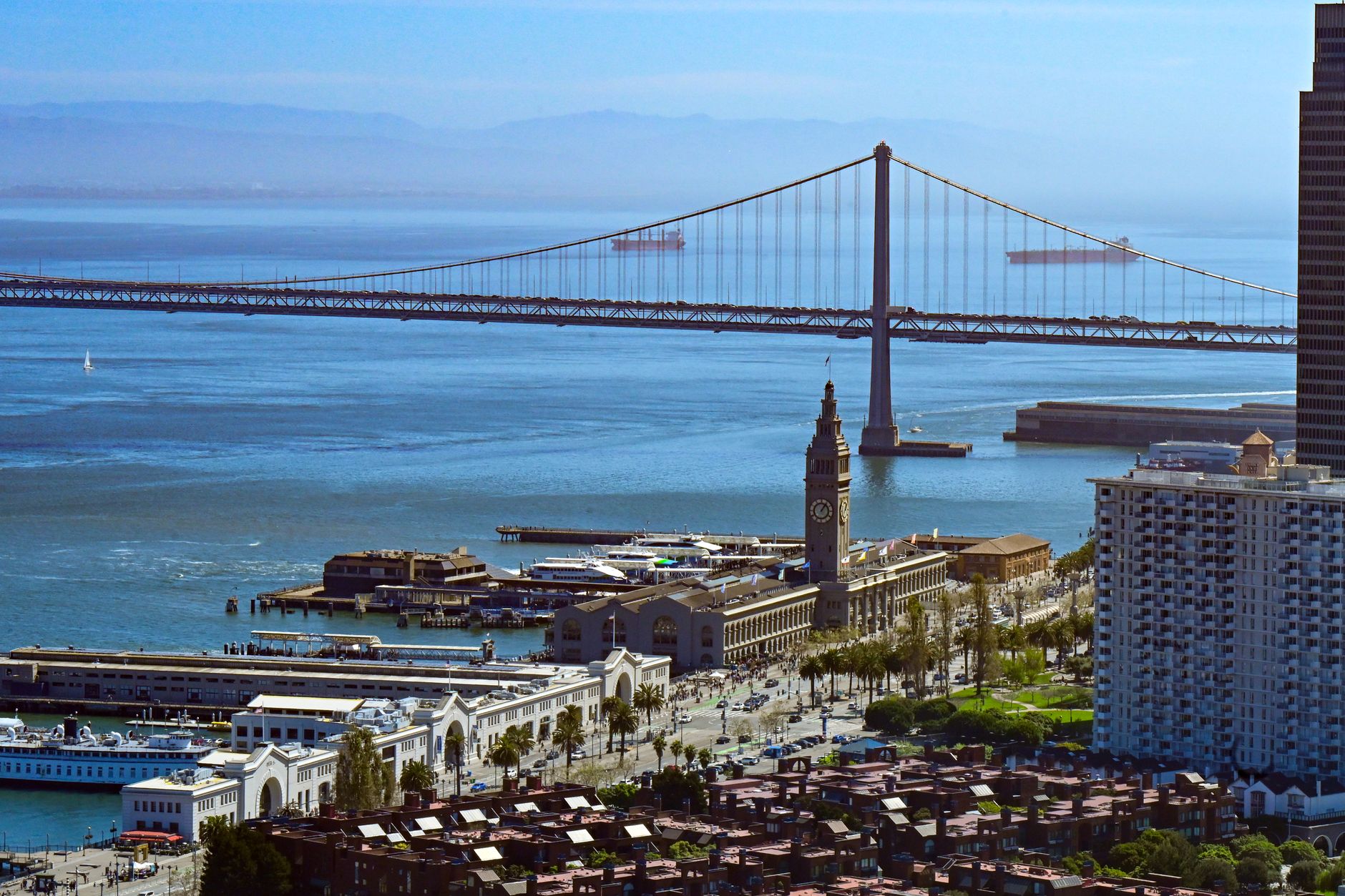
The corner of Haight and Ashbury remains one of the most recognizable intersections on the planet, serving as the symbolic epicenter of the 1967 Summer of Love. While the colorful Victorian facades draw thousands of visitors annually, the true character of the district is defined by the independent shop owners, local artists, and long-term residents who have anchored the neighborhood through decades of transition. From the record collectors scouring the bins at Amoeba Music to the community members who frequent the verdant trails of nearby Golden Gate Park, the area remains a living archive of San Francisco’s bohemian identity.
Preserving a Countercultural Legacy
For those who call this neighborhood home, the Haight is less a theme park and more a tight-knit community of creators. Institutions like the Haight Street Art Center continue to champion the graphic arts, providing a platform for local screen printers and designers to showcase work that reflects the district’s historical commitment to political and social expression. Similarly, shops like Distractions on Haight Street maintain a lineage of independent retail that rejects the homogenization seen in more corporate-driven shopping districts.
Maintaining this unique retail ecosystem has become a focal point for the Haight Ashbury Merchants Association. The organization works to ensure that new arrivals to the commercial corridor align with the district’s aesthetic and historical values. Residents often point to the preservation of local music venues and vintage boutiques as essential to keeping the neighborhood distinct from the rapid tech-driven development occurring in other parts of the city, such as South of Market or the Mission District.
The Pulse of Daily Life
Data from the San Francisco Planning Department shows that the Haight-Ashbury historic district designation, which was officially established in 2016, continues to protect the architectural integrity of the area’s signature late-19th-century residential housing stock. This legal framework has been vital for property owners seeking to balance renovation with historical preservation. Visitors walking through the Panhandle will find that the local economy continues to rely heavily on small-business foot traffic, with tax revenue reports for the city reflecting consistent, steady activity within the Haight Street commercial strip throughout the fiscal year ending in June 2026.
For those looking to explore the neighborhood beyond the superficial photo opportunities, the best approach is to slow down. Spend an afternoon perusing the stacks at independent bookstores or grab a coffee and observe the regulars who gather at the local plazas. Engagement with the neighborhood’s real residents-the historians, the shopkeepers, and the active members of the local neighborhood associations-reveals a community that is deeply protective of its legacy while remaining inherently focused on the social challenges of the present day. When visiting, consider timing your walk for the early morning, when the fog still clings to the nearby hills and the streets remain free of the heavy midday tourist crowds.