Moving to San Francisco can feel overwhelming for newcomers navigating a city where median rents exceed $3,200 for a one-bedroom apartment. But seasoned expats know the secret: neighbourhood character, not just location, determines whether you'll thrive here. The Mission District, Valencia Street corridor especially, pulses with startup energy and artistic grit. Here, you'll find independent bookstores like City Lights nearby, vintage shops, and a restaurant scene that blends Michelin-starred ambition with taco-stand authenticity. The neighbourhood draws creative professionals and young families seeking walkable urbanism, though gentrification has shifted its demographic significantly over the past decade.
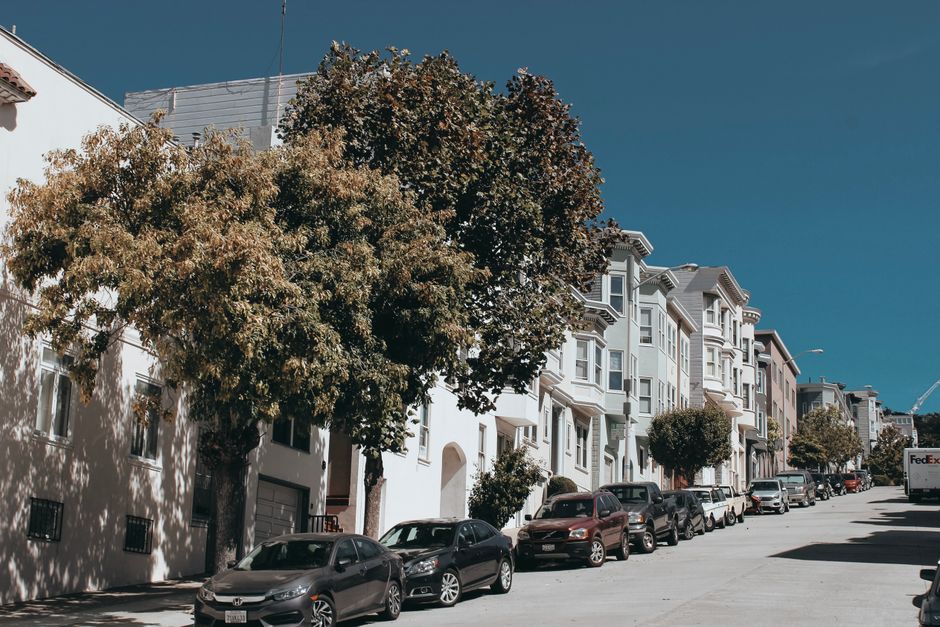
For those prioritising stability and established community infrastructure, Richmond and Sunset districts offer a distinctly different vibe. These residential neighbourhoods west of Twin Peaks attract families and mid-career professionals seeking quieter streets and neighbourhood institutions—the Richmond's Clement Street hosts everything from hole-in-the-wall ramen shops to community gardens. Monthly rents run 15-20% lower than central neighbourhoods, and residents report genuine block-level social cohesion often missing elsewhere in the city.
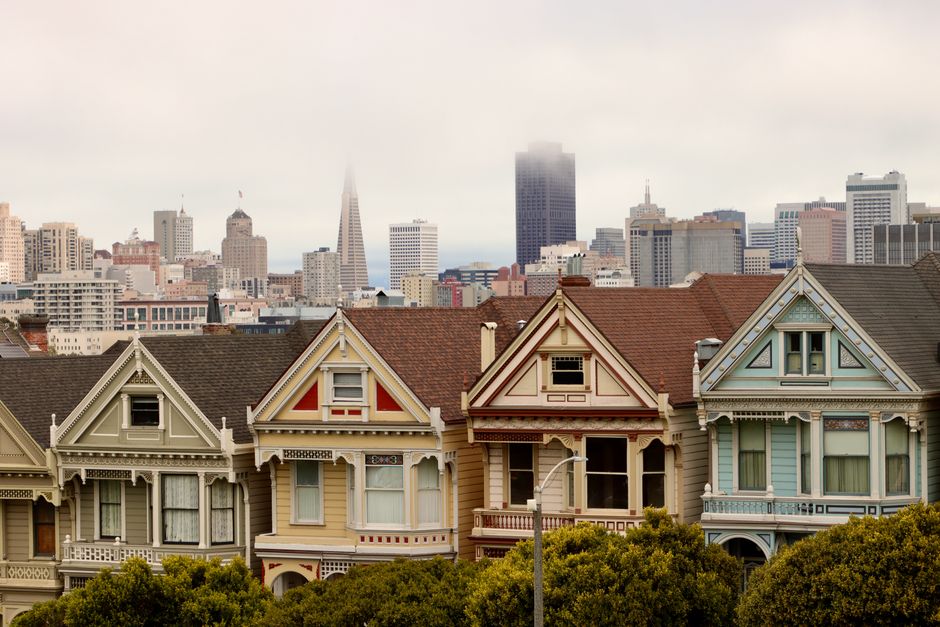
Hayes Valley, anchored by the architecturally significant Hayes Valley Farm, represents San Francisco's middle ground. Walking Octavia Boulevard, you'll encounter boutique fitness studios, specialty coffee roasters, and a predominantly professional demographic aged 30-45. It's neighbourly without feeling provincial, upscale without the stuffiness of Pacific Heights, where Victorian mansions and buttoned-up formality define the experience for the city's wealthiest residents.
Newcomers often underestimate the importance of neighbourhood-specific institutions. The Mission has La Raza Centro Legal and numerous maker spaces. The Tenderloin, historically underestimated, has undergone community-led revitalisation, attracting artists and activists committed to equitable development. Meanwhile, the Castro maintains its cultural significance as LGBTQ+ San Francisco's historic centre, with street-level activism complementing social venues and community organisations like the SF LGBT Community Center.
Before committing to a lease, spend time walking target neighbourhoods at different hours. Visit local cafés, chat with shopkeepers, and attend neighbourhood association meetings—most are open to newcomers. San Francisco's microclimates extend beyond weather; each neighbourhood cultivates distinct social ecosystems. The right fit depends less on prestige than on whether you'll encounter the kind of people, spaces, and rhythms that feel like home. In a city increasingly defined by transience, neighbourhood character remains the most reliable anchor for building a meaningful life here.
This article was compiled by AI and screened before publishing. See our editorial standards.