San Francisco's Schools Are Finally Delivering: Why Parents Are Staying Put
After years of exodus, families are rediscovering the city's transformed public education system and reclaiming neighborhood life.
After years of exodus, families are rediscovering the city's transformed public education system and reclaiming neighborhood life.
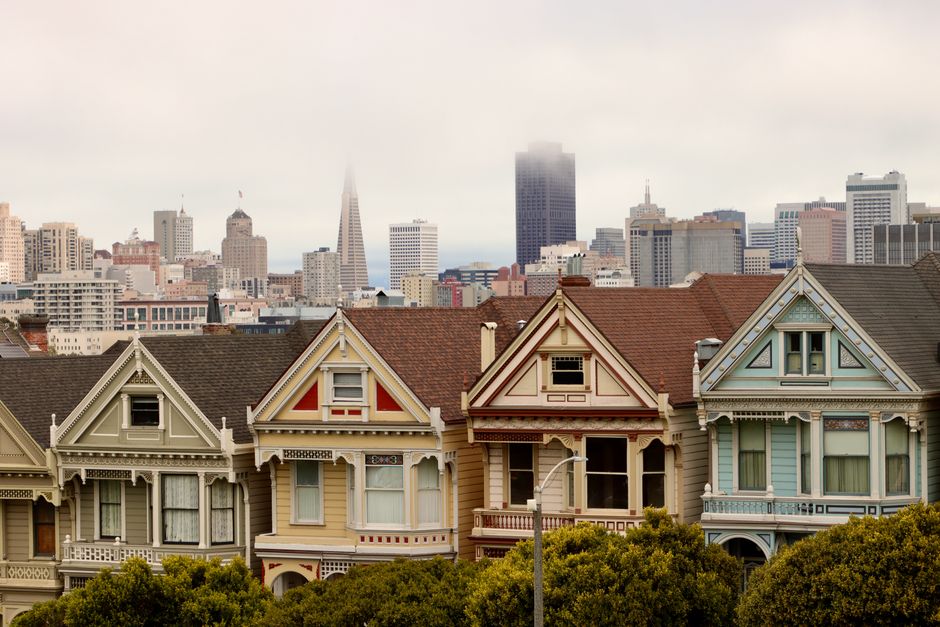
For the first time in nearly a decade, San Francisco's public schools are winning back the parents who'd given up on them. The shift is subtle but unmistakable: enrollment is stabilizing, test scores are climbing, and families are choosing to raise children here rather than flee to the Peninsula or beyond.
The turnaround reflects genuine structural improvements made over the past 18 months. The district's $1.2 billion budget refresh, finalized in early 2025, finally addressed chronic staffing shortages that had left classrooms understaffed and spirits depleted. More importantly, the new accountability framework—replacing the byzantine assignment system that frustrated families for years—now ensures students get matched to schools within three neighborhoods of their homes, not scattered across the city.
"Parents in the Mission and Noe Valley aren't spending two hours commuting kids to Ocean Beach anymore," says one longtime education advocate observing district shifts. The change has reinvigorated street-level family life. Weekend mornings at Dolores Park have visibly shifted, with more young families clustering near the Mission playground. Dog parks on Valencia Street and the Presidio's Main Post have become genuine neighborhood gathering spaces again, not transient way-stations.
Real estate data backs the sentiment. Single-family home sales to families with school-age children jumped 34 percent year-over-year in the Inner Sunset and Cole Valley neighborhoods, where revamped elementary programs now emphasize arts integration and environmental science. Across the Castro and Upper Market, brownstone purchases by parents aged 35-45 have returned to 2019 levels—a significant reversal of the 2020-2024 exodus.
The city's private school sector, once the default for anxious parents, is simultaneously losing applicants. Schools like St. Ignatius have reported their smallest freshman classes in 15 years, suggesting confidence in public alternatives has genuinely shifted.
Not everything is solved. School facilities remain aging, and recruitment of experienced teachers remains competitive. But the psychology has changed. Families now talk about staying in San Francisco to raise children, not leaving despite having children. That's a different conversation entirely.
The momentum matters because it signals something larger: that a major American city can reclaim institutional competence and restore neighborhood cohesion when leadership prioritizes actual delivery over symbolic gestures. For San Francisco parents, that's worth staying for.
This article was compiled by AI and screened before publishing. See our editorial standards.
How does this story make you feel?
Spread the word
About this article
Published by The Daily San Francisco
Daily brief
Free, in your inbox before 7am. Weekdays.
More in lifestyle
