Walk down Hayes Street on a Wednesday afternoon and you'll notice something that would have seemed unlikely five years ago: stroller traffic that rivals the foot traffic of commuters. The neighborhood that built its identity on heritage coffee roasters and minimalist furniture showrooms is experiencing a quiet but unmistakable demographic shift, one that's forcing longtime residents and newcomers alike to reconsider what Hayes Valley actually is.
The transformation tells a larger story about San Francisco's evolving relationship with family life. Where young professionals once dominated neighborhoods like Hayes Valley, families with children are now staking claims—and in doing so, they're fundamentally changing the character of the area. Real estate data shows that family-sized units (three-bedrooms and above) in Hayes Valley now command median rents of $5,200 monthly, up 23 percent since 2022, while prices for smaller units have remained relatively stable. Schools matter, and proximity to quality options like SFUSD's Marina District and Pacific Heights alternatives has made Hayes Valley strategically appealing for parents priced out of the Mission.
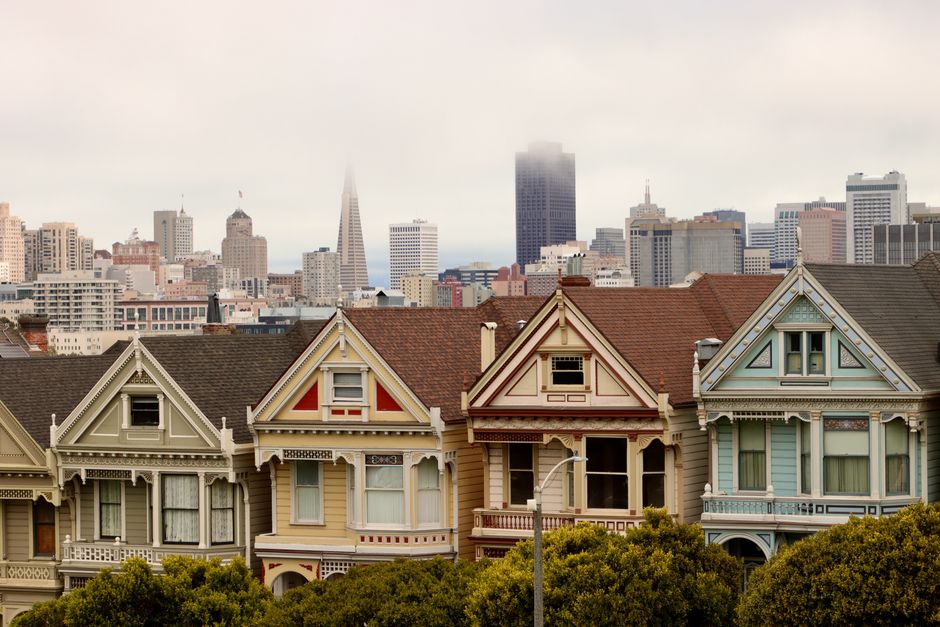
The infrastructure is adapting. In the past eighteen months, three family-focused venues have opened between Laguna and Fillmore: a cooperative childcare space on Lily Street, an indoor play facility designed specifically for under-fives, and a family-friendly restaurant collective on Hayes Street proper. Simultaneously, some of the neighborhood's formerly late-night-focused venues have shifted operating hours or repositioned their offerings. The Painted Ladies Park, just blocks away, has seen increased weekend programming designed for families.
Local schools are feeling the pressure too. Rosa Parks Elementary, the neighborhood's primary public school option, has experienced a 15 percent enrollment increase over the past three years, according to district data. Wait lists for magnet programs have become competitive, mirroring city-wide trends but with particular intensity in Hayes Valley's walkable radius.
Not everyone celebrates the shift. Some longer-term residents worry about losing the neighborhood's bohemian edges—the late-night galleries, the young artist community, the specifically childless-by-choice aesthetic that defined Hayes Valley's appeal. Others embrace the diversification as healthy urban evolution.
What's clear is that Hayes Valley's moment of reinvention mirrors a broader San Francisco reality: even in a city where family life has traditionally been precarious and costly, neighborhoods continue to reshape themselves to accommodate those seeking community, stability, and space for children. Hayes Valley's transformation suggests that when families find a foothold, they build momentum.
This article was compiled by AI and screened before publishing. See our editorial standards.