San Francisco's Best Parks Are Free—But Here's What You Actually Need to Know Before You Go
From permits to parking to weather surprises, a practical guide to accessing the city's green spaces without breaking the bank.
From permits to parking to weather surprises, a practical guide to accessing the city's green spaces without breaking the bank.
Listen to this article · 3:56
San Francisco's outdoor spaces are among its greatest assets—and refreshingly, most of them won't cost you a dime. Golden Gate Park, Twin Peaks, and the Embarcadero's waterfront parks are all free to enter, a fact that keeps this expensive city livable for everyone from tech workers to long-term residents watching their neighborhoods transform.
But "free" doesn't mean without friction. Here's what you need to know before packing a picnic.
The parking reality
Golden Gate Park's main lots—near the Conservatory of Flowers on Arguello Boulevard or the music concourse on Fulton Street—charge $7.50 for the first 30 minutes and $10 for the first hour, scaling to $24 for the full day. Street parking in surrounding neighborhoods like Panhandle offers free two-hour zones, but availability is inconsistent. Taking the 5 or 21 Muni buses is often smarter than driving. Twin Peaks has limited parking near the summit ($2 via coin-operated meters), though the view of the entire city justifies the modest fee.
Permits and group rules
Want to host a gathering? Here's the catch: picnics for groups larger than 50 people require permits through San Francisco Recreation and Parks. A basic group permit costs $100–$300, depending on the park and amenities like grills. Golden Gate Park's popular meadow areas, like Hellman Hollow or the Sunken Garden vicinity, are surprisingly available for smaller gatherings without permits, though rules around alcohol (prohibited citywide in parks) and amplified sound apply strictly.
Seasonal surprises
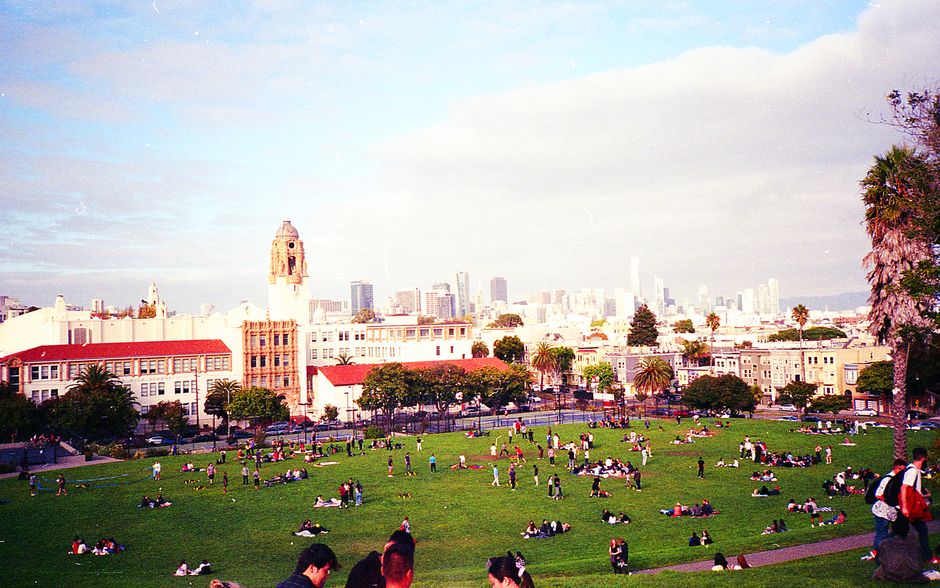
Summer isn't always optimal. July and August bring persistent fog to coastal parks like Lands End and Ocean Beach, with water temperatures hovering around 57 degrees Fahrenheit. October through November is actually peak season—warmer afternoons, clearer skies, and fewer tourists. Interior parks like Dolores Park stay sunny longer due to microclimates; expect crowds of 10,000-plus on good weekends.
Hidden costs
Most free parks lack amenities. Restrooms are available but sometimes unstaffed. Bringing your own water, snacks, and waste bags—the park system asks visitors to pack out what they pack in—is essential. Dog parks have nominal fees ($0–$2 annually for registration through SF Animal Care and Control), though off-leash hours in designated areas cost nothing.
Getting there
Muni day passes ($13 for 24-hour access) cover unlimited trips to any park. For those without cars, neighborhoods like Mission District (Mission Dolores Park), Hayes Valley (Patricia's Green), and SoMa (South Park) have accessible green spaces minutes from public transit.
The best parks in San Francisco remain genuinely democratic spaces. Free access is a feature, not a bug—just arrive prepared for fog, crowds, and the city's particular brand of outdoor living.
This article was compiled by AI and screened before publishing. See our editorial standards.
How does this story make you feel?
Spread the word
About this article
Published by The Daily San Francisco
Daily brief
Free, in your inbox before 7am. Weekdays.
More in lifestyle