The Real SF Relocation Playbook: What Long-Term Expats Actually Want You to Know
Forget the glossy tourism guides—here's what seasoned international transplants wish they'd learned before moving to San Francisco.
Forget the glossy tourism guides—here's what seasoned international transplants wish they'd learned before moving to San Francisco.
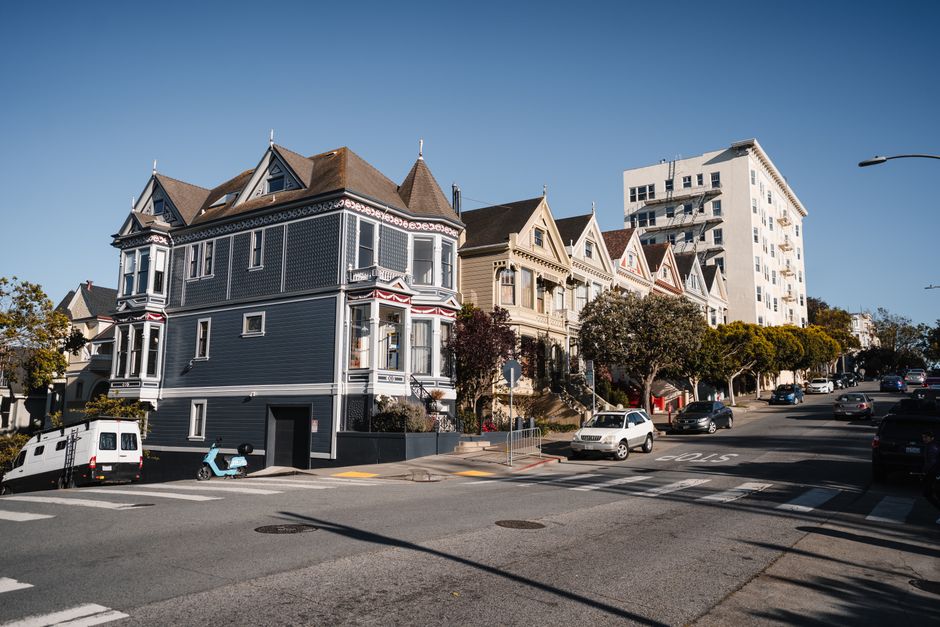
Moving to San Francisco as an expat means navigating a city that's simultaneously welcoming and brutally expensive. The locals who've made it work here for years offer a different kind of guidance than you'll find in standard relocation guides.
First, location strategy matters more than neighborhood prestige. While Mission District and SOMA command attention, expats who've stayed long-term often recommend exploring less-hyped areas first. The Outer Sunset offers genuine neighborhood character, easier access to Ocean Beach, and substantially lower rents—often $2,500–$3,200 for a one-bedroom compared to Mission's $3,400–$4,100. The trade-off is fog and longer commutes, but residents consistently praise the genuine community feel. Richmond District, meanwhile, offers proximity to Golden Gate Park without the tourist overflow.
Transportation requires honest appraisal. BART and Muni exist, but they're unreliable during peak hours and frequently strike. New arrivals should budget $100–$120 monthly for transit passes while seriously considering bike ownership or e-bike investment ($800–$1,500). The flat streets near the Embarcadero and Marina are bikeable; the hills demand respect.
Banking and financial setup takes longer than expected. Bring multiple forms of ID and proof of residence—landlord letters work if you don't have a lease yet. Opening accounts at local credit unions like Mechanics Bank or San Francisco Federal Credit Union often involves less friction than major banks.
Healthcare and insurance shouldn't be an afterthought. Even with health insurance, San Francisco's medical costs are among the nation's highest. Expats recommend establishing relationships with primary care physicians early; waitlists at reputable clinics often extend months. The city's public health system at San Francisco General has English-speaking staff and serves uninsured patients.
Socially, neighborhood appreciation takes months. The city's microclimates (literally—each neighborhood has different weather) mean exploring before committing emotionally to any area. Many successful expats spend their first three months deliberately visiting different neighborhoods on weekends, eating at neighborhood restaurants, and talking to people at local coffee shops along Valencia Street or in the Haight.
Finally, accept that San Francisco is expensive but finite. A realistic monthly budget for a single person runs $4,500–$6,000 including housing. But unlike some global cities, infrastructure works, water is clean, and neighborhoods are generally walkable. The expats who thrive here stop fighting the cost equation and instead focus on what the city genuinely offers: access, opportunity, and a culture that still—despite everything—welcomes people trying something new.
This article was compiled by AI and screened before publishing. See our editorial standards.
How does this story make you feel?
Spread the word
About this article
Published by The Daily San Francisco
Daily brief
Free, in your inbox before 7am. Weekdays.
More in lifestyle
