Walk through Golden Gate Park on a July afternoon and you'll encounter something increasingly rare in the world's densest cities: 1,017 acres of meticulously maintained landscape where traffic feels like a distant memory. It's a contradiction that defines San Francisco's unique approach to urban green space—a city where some of the planet's most expensive real estate sits adjacent to expansive nature preserves, where geography itself enforces a kind of environmental democracy.
What distinguishes San Francisco from comparable global cities isn't just the quantity of parks, but their quality and accessibility. The Presidio, handed back to the city by the military in 1994, spans 1,491 acres of forest, beach, and meadow within city limits—larger than Central Park's 843 acres. Yet unlike Manhattan's iconic rectangle, the Presidio remains semi-wild, with Coyote Trail winding through coastal scrubland and Battery Spencer offering vistas across the Golden Gate that feel genuinely remote despite urban proximity. London's Hyde Park and Paris's Luxembourg Gardens serve similar functions for their cities, yet neither manages the topographical drama that San Francisco's hills and waterfront provide.
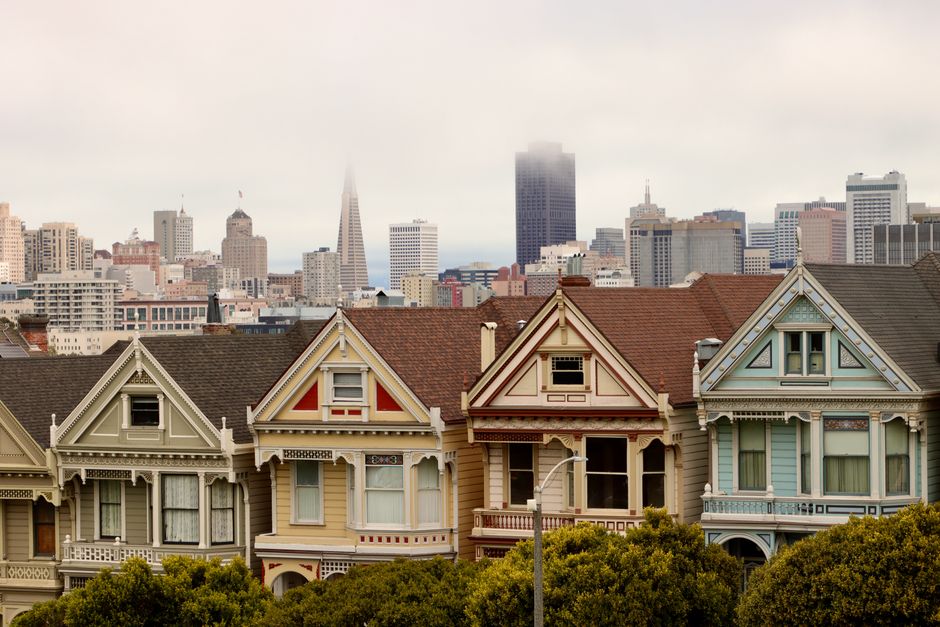
The city's commitment runs deeper than destination parks. Neighborhood green spaces reflect a distinctly San Francisco ethos: the Mission District's community gardens tucked behind residential blocks, often tended by long-standing residents; Alamo Square's 6.5-acre park, where wildflowers and fog create an almost mythic backdrop; the Embarcadero's bayside parks that reclaimed industrial waterfront. These aren't retrofitted beautification projects—they're integral to how the city functions.
There's also the matter of preservation against relentless development pressure. San Francisco's parks represent nearly 12% of the city's 47 square miles. That figure might seem modest compared to cities with more sprawl, but consider that it's maintained within one of America's most densely populated urban cores. Tokyo and Hong Kong manage comparable green coverage while accommodating significantly larger populations, yet they achieve this through vertical intensity rather than San Francisco's horizontal preservation.
What makes this city's approach globally distinctive is the combination of scale, quality, and the stubborn geography that prevents parks from feeling like afterthoughts. The Bay's shores, the hills' inclines, the fog that rolls through neighborhoods—these aren't obstacles overcome by urban design, but rather conditions that have shaped a relationship with nature that's almost protectionist. In an era when most major cities are still learning to prioritize green space, San Francisco's parks represent not an achievement but an ongoing negotiation between density and preservation that few cities manage with such apparent ease.
This article was compiled by AI and screened before publishing. See our editorial standards.