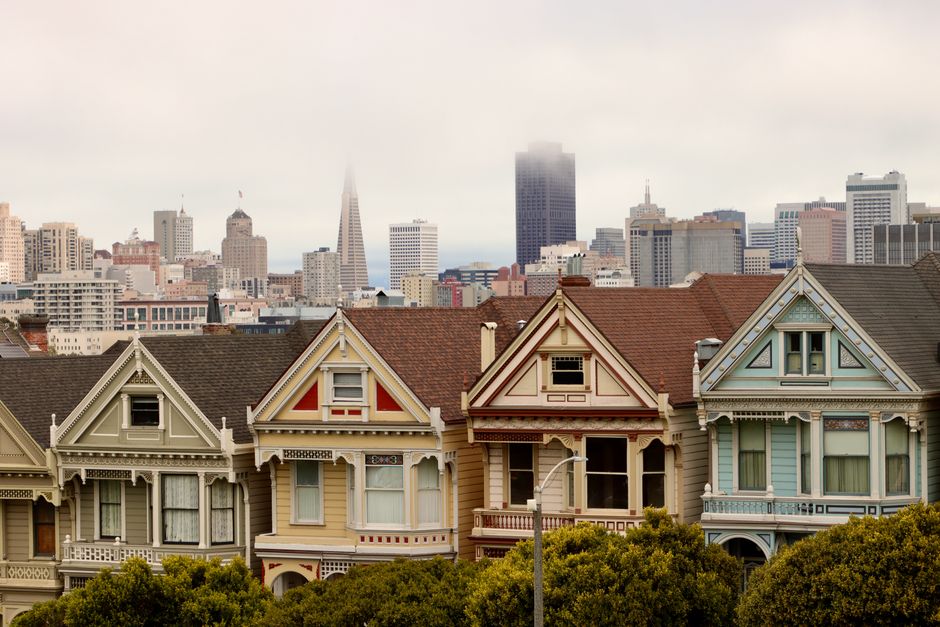
Walk down Valencia Street on a Saturday morning and you'll find Maria Santos arranging flowers outside her family's bodega, a fixture in the Mission for 34 years. Or step into Vesuvio Cafe in North Beach and meet the regulars who've claimed the same corner booth since the 1970s. San Francisco's neighbourhoods don't thrive because of their zip codes or real estate values—they pulse because of the people who've chosen to make them home, often against considerable odds.
The Mission District, where median rents hover around $2,800 for a one-bedroom apartment, tells this story most vividly. Despite gentrification pressures that have transformed much of the neighbourhood, community anchors persist. The Precita Eyes Muralists collective has been documenting local stories on walls since 1977, turning street art into neighbourhood memory. Walk the alleys around 24th Street and you'll see portraits of activists, musicians, and residents whose faces have become part of the district's identity.
In the Castro, longtime residents have watched their neighbourhood reinvent itself multiple times. The Human Rights Campaign headquarters sits alongside vintage shops and multi-generational family businesses. Community organizations like the San Francisco LGBT Community Center continue work that began in the 1980s, providing services to people who were abandoned by the broader city.
Chinatown presents another layer. Despite tourism that floods Grant Avenue daily, family associations and elderly residents maintain traditions in side streets and basement community halls. The Chinese Culture Center and volunteer-run senior programs keep neighbourhood fabric intact, even as younger generations face displacement pressures throughout the Bay Area.
What emerges across these neighbourhoods is a particular resilience—not the polished kind marketed in tourism campaigns, but something rooted in actual relationships. The longtime barista at your local coffee shop who remembers your order. The community board member who's spent fifteen years fighting for affordable housing. The street vendor who's sold tamales from the same corner through three recessions.
San Francisco's true character lives in these relationships, which thrive despite—or perhaps because of—the city's constant flux. While tech money reshapes skylines and policy debates dominate headlines, neighbourhoods persist through the quiet work of people who've decided to belong somewhere. That sense of place, built by actual faces and stories, remains the city's most irreplaceable resource.
This article was compiled by AI and screened before publishing. See our editorial standards.