Fireworks and Frictions: Mapping the Evolution of the San Francisco Fourth
From the radical counterculture stages of the 1960s to today's tech-integrated celebrations, the city’s holiday programming reflects a broader shift in our civic identity.
From the radical counterculture stages of the 1960s to today's tech-integrated celebrations, the city’s holiday programming reflects a broader shift in our civic identity.
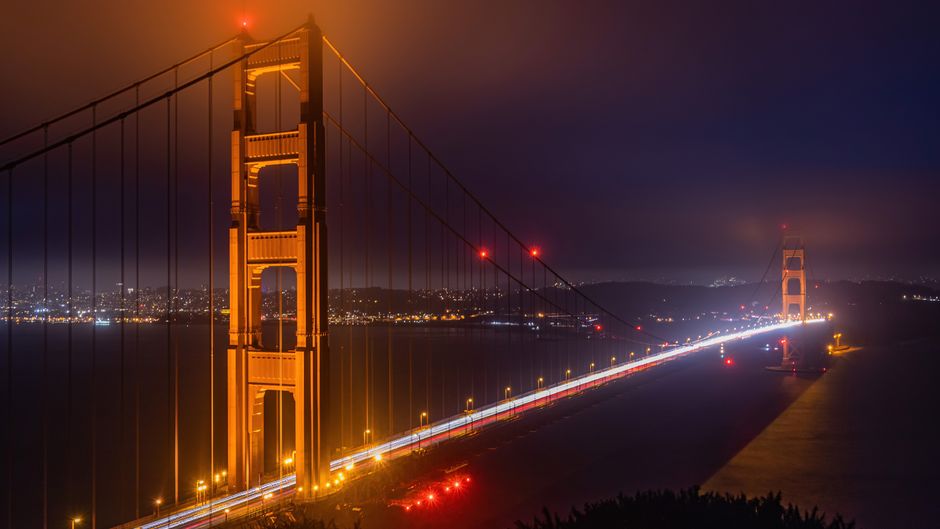
San Francisco celebrates Independence Day this year with a stark departure from the traditional pyrotechnics that once defined the waterfront. While the fog hangs low over the Golden Gate Bridge this morning, the Port of San Francisco has confirmed that the central fireworks display at Pier 39 will proceed, albeit with a focus on drone technology over chemical explosives. It is a quiet acknowledgment of the city's shifting climate priorities, following a summer where record-breaking heat waves have left local emergency services on high alert.
The Fourth of July has long served as a mirror for San Francisco’s internal tensions. In the late 1960s, the Haight-Ashbury scene viewed the holiday as an opportunity for agitprop, with bands like the Grateful Dead turning Golden Gate Park into a site of radical expression that challenged the very symbols of the establishment. Today, that energy has been supplanted by the logistics of the 'Smart City' initiative. Organizations like the San Francisco Arts Commission are prioritizing low-impact, digital-first installations in Union Square, signaling a move away from the massive, trash-heavy gatherings that defined the nineties.
History remains etched into the pavement of neighborhoods like the Mission District and North Beach. At the intersection of 24th and Mission streets, the legacy of Chicano Art Movement murals continues to dictate how the community claims space during civic holidays. Meanwhile, the North Beach neighborhood hosts its annual parade along Columbus Avenue, a ritual that has remained largely unchanged since the Italian-American community solidified its presence there in the mid-20th century. These disparate celebrations highlight the city’s ongoing struggle to balance its bohemian roots with the rigid infrastructure requirements of a global tech hub.
Data from the San Francisco Municipal Transportation Agency indicates that transit ridership typically spikes by 22 percent during the holiday weekend, as residents move between the shoreline and the city’s inland parks. Despite inflation concerns, the average household expenditure for a holiday picnic in Dolores Park remains approximately $145 for a group of four, according to recent surveys conducted by the San Francisco Chamber of Commerce. Public safety budgets for this weekend have been bolstered to $1.2 million, a figure that accounts for the increased deployment of park rangers and environmental cleanup crews tasked with protecting the fragile ecosystem of the Presidio.
For those heading out today, the best vantage point for the drone show remains the promenade at Aquatic Park. Expect restricted parking in the Fisherman’s Wharf area starting at noon, with the Department of Emergency Management advising visitors to utilize the F-Market streetcar line to avoid gridlock. As temperatures fluctuate, keep a light jacket nearby; even in July, the microclimates of the Richmond District can drop twenty degrees by sunset. Whether you are seeking the historical grit of the old guard or the polished efficiency of the new, the city’s evolution is on full display this weekend.
How does this story make you feel?
Spread the word
About this article
Published by The Daily San Francisco
Daily brief
Free, in your inbox before 7am. Weekdays.
More in culture