culture
San Francisco Artists Reshape City Culture Through Neighborhood Creative Projects
As major institutions face budget pressures, neighborhood-based creative projects are becoming the city's cultural heartbeat.
How we reported this
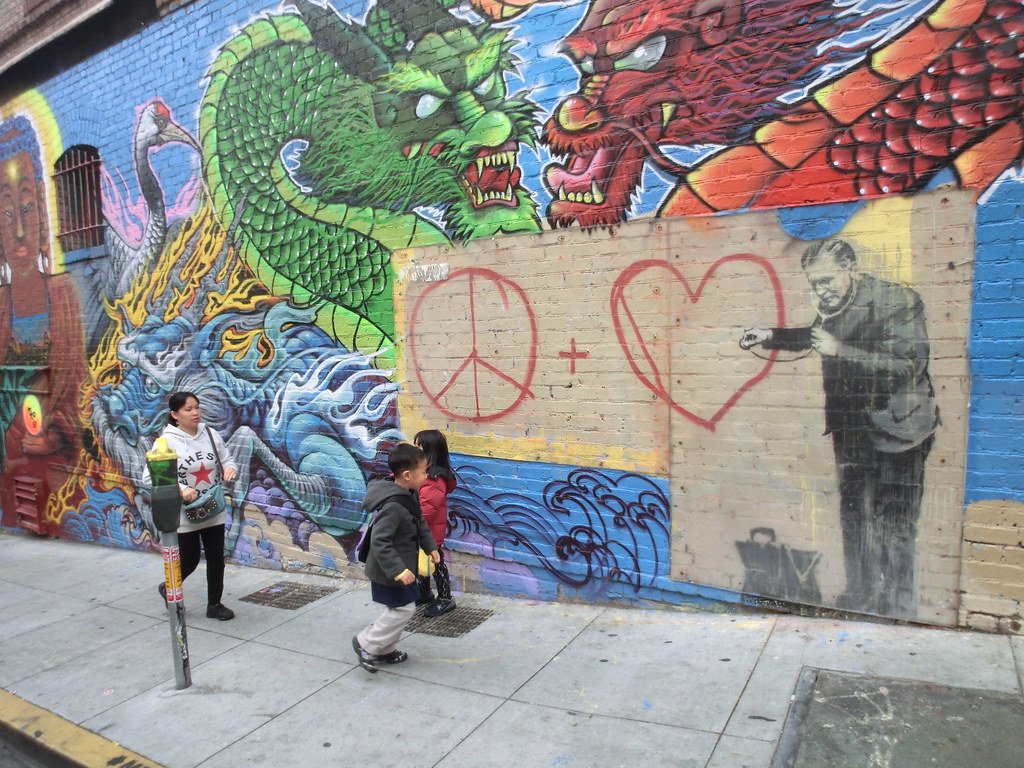
The Mission District's Sunday afternoon has a new rhythm. Where commercial galleries once dominated Valencia Street between 16th and 20th, pop-up art collectives now claim storefronts, parking lots, and residential lofts. Last weekend, a collective calling itself Press Forward took over a vacant retail space at 2847 Mission to showcase work from seventeen local painters and printmakers. Entry was free. The show lasted 36 hours.
This is not a temporary trend or a pandemic-era holdover. San Francisco's cultural landscape is undergoing a fundamental shift away from the megastructures that have defined it for decades-the de Young Museum, SFMOMA, the opera-toward hyperlocal, grassroots creative projects that live in residences, community centers, and borrowed spaces. The change signals something larger about how the city sees itself right now: less concerned with acquiring cultural capital through established institutions, more invested in the lived experience of making and sharing art at the neighborhood level.
The evidence is everywhere if you know where to look. SOMArts Cultural Center, the nonprofit on 6th Street in South of Market that has operated since 1990, reports that its studio rental waiting list hit 340 artists this spring, up from 189 in 2024. That's not because SOMArts expanded-it hasn't. It's because artists are desperate for affordable workspace. Meanwhile, smaller neighborhood organizations like the Northeast Community Federal Credit Union's Artist-in-Residence program, which runs out of a converted warehouse on Potrero Hill, now receives over 800 applications annually for just twelve residencies.
When Institutions Can't Keep Up
The San Francisco Arts Commission's 2025 report, released in March, found that municipal funding for arts programming dropped 8 percent from the prior year, landing at $2.1 million annually-barely enough to support three mid-sized institutions. Private donors, spooked by national economic uncertainty and tech sector layoffs that have rippled through the Bay Area, are giving less. Gallery closures accelerated through 2025. White Walls, a SoMa institution that championed street art and community muralism for twenty-three years, shuttered in October. Fraenkel Gallery, which occupied a 5,000-square-foot space on Market Street for nearly two decades, announced closure in May.
What's filling the void is scrappy, distributed, volunteer-powered. The Clarion Alley Collective, the long-standing muralist group based in the Mission, expanded its monthly community painting sessions from one Saturday per month to two, sometimes three. Members say they're not trying to replace institutional art spaces-they're trying to make art-making accessible to people who would never step foot in a museum.
Data tells part of the story. A survey conducted by San Francisco State University's cultural policy lab in May found that 61 percent of respondents aged 18 to 35 would rather attend a neighborhood art event or open studio than visit a major museum. That same group cited affordability-free or low-cost access-as the primary factor. The average ticket price at SFMOMA is now $28; a night of gallery hopping in the Mission costs nothing but transport.
Where This Leads
This doesn't mean San Francisco's major cultural institutions will vanish. The de Young's $600 million endowment keeps the lights on. But the cultural conversation increasingly happens at the margins, in artist collectives, in DIY spaces, at Sunday afternoon exhibitions in borrowed storefronts.
If you want to see what San Francisco's culture is actually becoming, skip the big venues. Head to the Mission District on a Friday night and walk Valencia. Stop by a pop-up. Ask an artist what they're working on. That's where the city is defining itself right now.