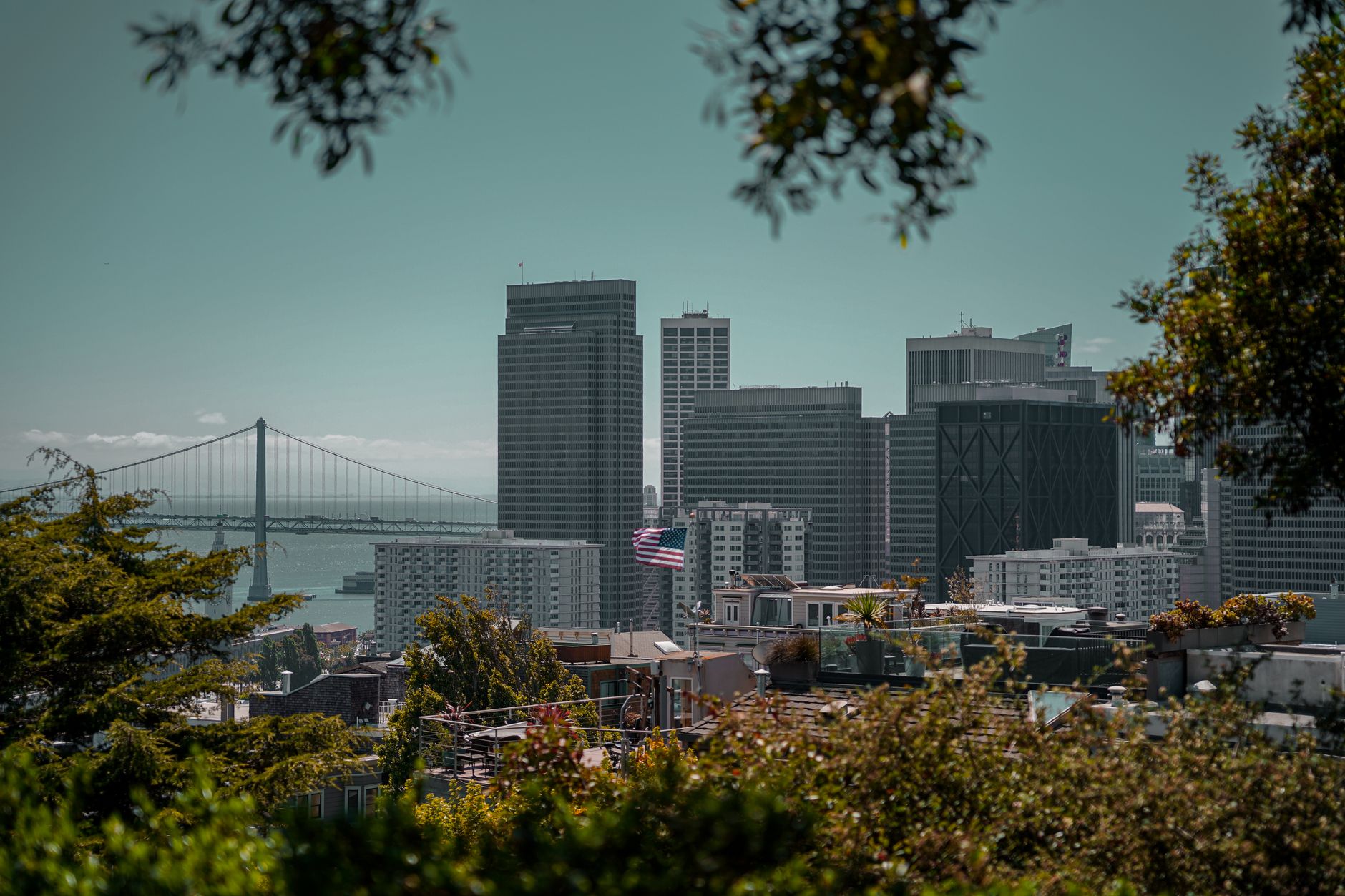
San Francisco’s downtown corridor is undergoing a deliberate, bottom-up transformation this Fourth of July weekend, as local collectives move to fill the void left by commercial flight. Rather than relying on traditional institutional programming, a coalition of neighborhood groups and independent artists has secured permits for three dozen pop-up activations spanning from the Ferry Building to the Tenderloin.
This shift arrives at a pivot point for the city. With global markets reacting to the supply chain disruptions in Russia and the humanitarian fallout of the Venezuelan earthquake, San Franciscans are increasingly turning inward to cultivate local resilience through shared public experiences. The movement isn't just about street fairs; it is a tactical effort to redefine urban density as a social asset rather than a liability.
The infrastructure of the new street-level culture
At the center of this weekend’s programming is the "Civic Commons Initiative," a partnership between the Yerba Buena Community Benefit District and the San Francisco Arts Commission. On Saturday, they are closing off four blocks of Jessie Street to host a collaborative mural project featuring thirty local painters. It marks a departure from the city’s usual reliance on major corporate sponsors, focusing instead on hyper-local outreach programs like the "Youth Arts Pipeline," which provides micro-grants to artists under 25.
The shift is also evident in the Mission District. Organizers at the Galería de la Raza have scheduled a series of digital art installations along 24th Street, funded entirely through a community-led crowdfunding campaign that exceeded its $50,000 goal by mid-June. This self-funded model allows these organizers to sidestep the bureaucratic delays that have historically hindered public art projects in the district.
Data and the mechanics of local growth
The numbers reflect a significant change in how leisure time is distributed across city neighborhoods. According to data provided by the San Francisco Office of Economic and Workforce Development, foot traffic in the Mid-Market district on holiday weekends has surged 18% compared to the same period in 2025. This, despite a 4% increase in citywide costs for event-related transit and logistics. The average ticket price for the "Summer Solstice Sessions" at the Presidio Tunnel Tops has remained steady at $15, with organizers pledging 100% of proceeds toward local food bank resources for families affected by recent regional heatwaves.
For those looking to participate in the movement this weekend, the action starts at 10 a.m. Saturday at the Embarcadero. Residents are encouraged to visit the "SF Open Streets" web portal to check for real-time updates on block closures and artist lineups. If you are planning to travel, public transit remains the most reliable option, as road closures will be in effect from Market Street to North Beach through late Sunday evening.