The Fillmore district hosts its 47th annual Juneteenth celebration next weekend, drawing thousands to the neighborhood where it all started. That event's survival—and its relocation twice since 1979 as real estate prices climbed—tells the story of San Francisco's culture scene better than any festival brochure could.
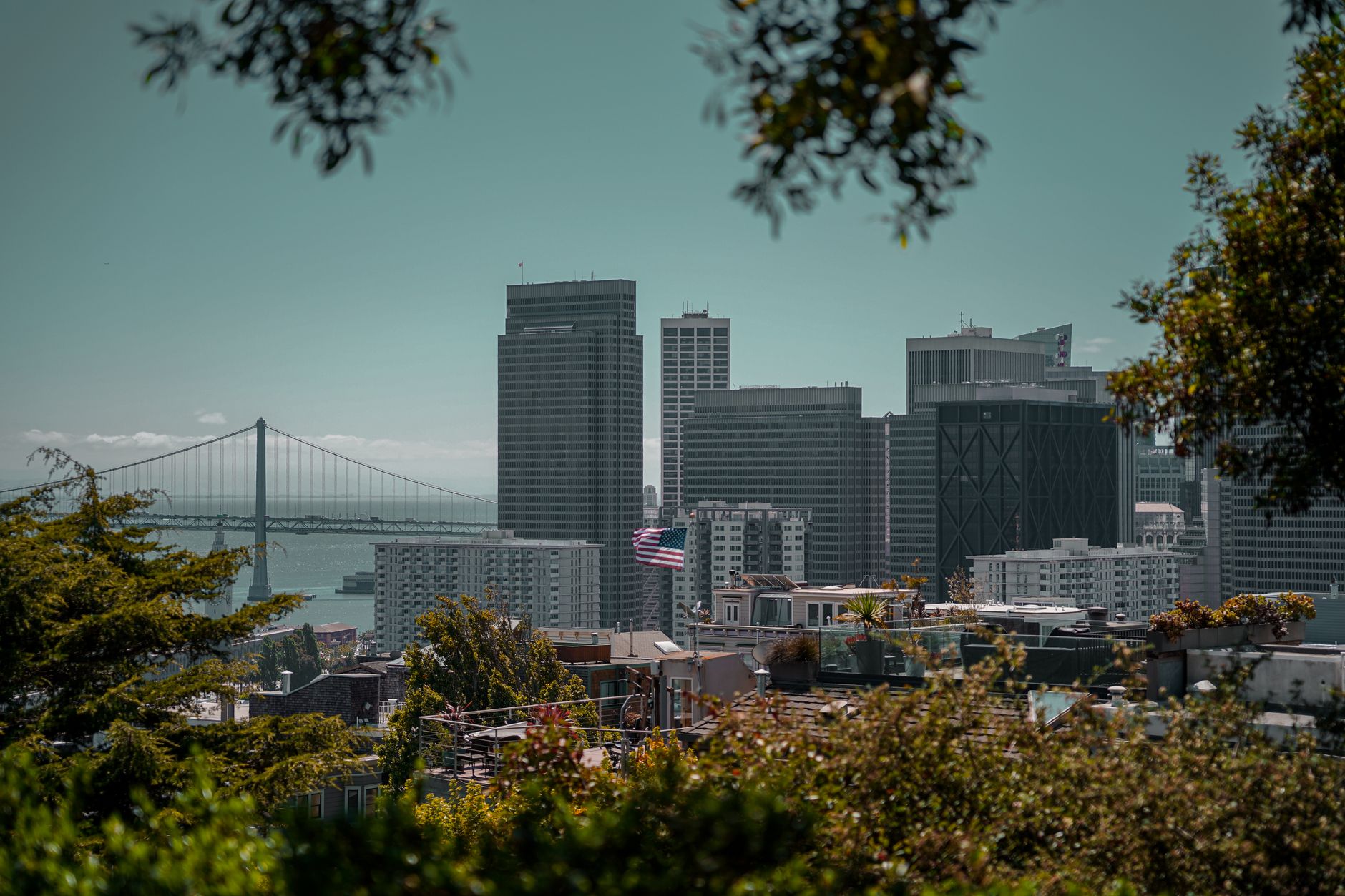
San Francisco's weekend events calendar exists in a state of permanent negotiation with its own past. The city's music venues, galleries, and theaters have always reflected who could afford to stay here, where they congregated, and what got bulldozed to make room for the next wave of ambition. Right now, with average rent for a two-bedroom apartment at $3,847 a month according to June data, that negotiation has become urgent. The question facing this weekend's crowds isn't just what to do Friday night—it's whether the institutions hosting those events will exist next year.
Walk down North Beach and you pass City Lights Bookstore, where Beat poets read in 1956. Head to the Mission and you find The Fillmore Street Jazz Heritage Center, which documents a musical tradition largely displaced from its original Fillmore neighborhood starting in 1965 when the government demolished 20 blocks for urban renewal. The Fillmore Auditorium itself, which reopened in 1965 in its current Van Ness Avenue location after the original Fillmore closed, has hosted everyone from Santana to the Grateful Dead. Concerts there this weekend sell tickets at $85 to $150, a far cry from the $3.50 cover charges of the 1960s.
The Current Reckoning
The American Conservatory Theater's summer season at 415 Geary Street in the Financial District demonstrates how institutional culture tries to maintain roots while chasing sustainability. ACT's programming has shifted notably toward more experimental, contemporary work in recent years—a deliberate choice to stay relevant to younger audiences who might otherwise skip live theater entirely. This weekend's offerings include both classical revivals and world premieres, a formula the theater has relied on since its founding in 1965.
Data from the San Francisco Arts Commission shows that attendance at live cultural events dropped 34 percent during the pandemic and has recovered to only 78 percent of pre-2020 levels. That gap matters. Every empty seat at the Alamo Drafthouse Cinema on Mission Street or the Yerba Buena Center for the Arts represents revenue that doesn't exist to pay stagehands, musicians, or janitors. The city's cultural workforce—roughly 28,000 people employed in arts and culture according to a 2023 survey—has shrunk. Many who stayed have taken second jobs.
This weekend, you can trace that history yourself. The San Francisco Jazz Heritage Center runs a walking tour through the original Fillmore neighborhood Saturday and Sunday, stopping at sites that no longer exist except in photographs and memory. The de Young Museum in Golden Gate Park opens a retrospective on Bay Area muralism Sunday that includes work by artists who painted neighborhood walls for $200 in the 1980s and now command gallery fees in the tens of thousands. The Alamo Drafthouse runs a 40-year retrospective of independent film on their Valencia Street location, a neighborhood that went from empty warehouses to $2.5 million condos in two decades.
The irony is sharp. The very cultural vitality that makes San Francisco attractive also prices out the artists, musicians, and bohemians who created it. Yet the scene persists through sheer stubbornness and the arrival of new voices. The Mission Local newspaper reported in June that three new galleries opened in the Mission district in the last three months—smaller, cheaper operations that work with younger artists priced out of North Beach or SoMa.
Check the schedules before you go. Venues shift hours, pop-up events appear and vanish, and the city's arts calendar has grown fragmented since pandemic closures scattered audiences across streaming services and neighborhood patronage. But the question of what San Francisco culture becomes next depends entirely on what happens this weekend and the thousands of weekends ahead—on whether the tickets sell, the doors stay open, and the next generation of artists can afford to arrive.