San Francisco's cultural calendar this weekend looks like a stress-test of what happens when a city decides to lean harder into art during uncertain times. The Asian Art Museum opens a new photography retrospective on Friday that explores diaspora and displacement. The Fillmore hosts a three-day electronic music festival. The SFMOMA is running extended hours through Sunday. Meanwhile, smaller venues from the Mission to North Beach have packed their programming with experimental theater, live comedy, and spoken word nights.
The convergence matters because it reveals something about how San Francisco is choosing to define itself right now. With headlines dominated by geopolitical turmoil—wars in Europe, natural disasters across Africa and South America, political upheaval in Iran—cities are becoming the places where people seek meaning through shared creative experience. San Francisco, which has struggled for years with identity questions tied to tech industry dominance and affordability crises, is answering back by doubling down on experimental culture and community-oriented programming.
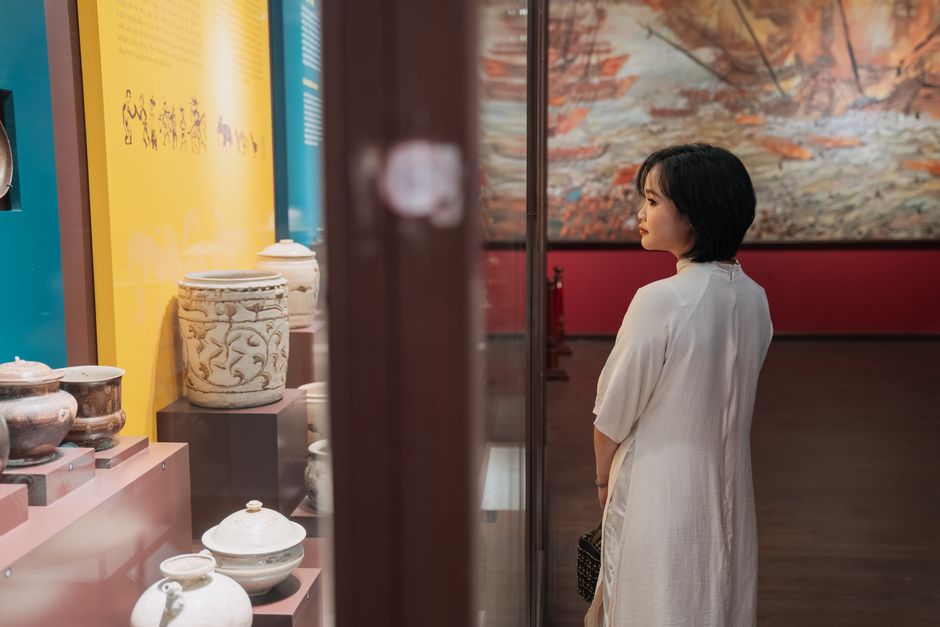
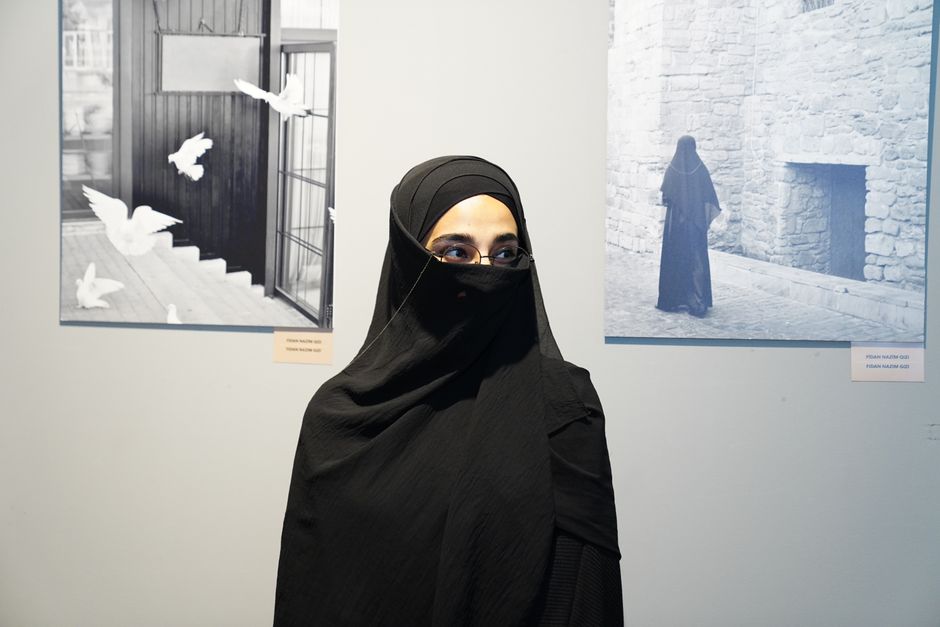
Friday's Asian Art Museum opening at 200 Larkin Street marks the third major exhibition launch in the museum's 2026 season, following accelerated exhibition schedules that director Chris Brayshaw implemented last year. The museum has added Friday evening hours specifically to accommodate working professionals, with tickets priced at $18 for general admission rather than the previous $25 weekend rate—a deliberate effort to lower barriers as other cultural institutions in the city have reported declining attendance.
The Fillmore, the historic 1,360-capacity venue at 1805 Geary Boulevard, is hosting "Convergence," a three-day electronic music and digital art festival that sold out its 3,000-ticket allocation two weeks before the event. Organizers say the festival drew submissions from 247 artists across North America this year, compared to 156 last year. Programming includes installations by local collectives like Obscura Digital, which has created immersive experiences specifically for the venue's transformed main floor.
Smaller Venues Setting the Tone
What separates this weekend from previous cultural surges in San Francisco is the emphasis on venues outside downtown. The Marsh in the Mission District is running "48-Hour Marathon," a comedy and storytelling series that started at 8 p.m. Thursday and continues through Saturday night, with 18 performers rotating through 15-minute sets. The Eureka Theatre on Valencia Street has booked four nights of new play readings by emerging Bay Area writers. Even neighborhood venues—The Knockout in the Mission, The Chapel in SOMA—have filled their calendars with live music and DJ nights.
The San Francisco Arts Commission reported in May that 67% of respondents to a resident survey said they attended at least one cultural event monthly, compared to 52% five years ago. That figure jumped to 74% among residents aged 25 to 40. Ticket sales for independent theaters and music venues across the city totaled $41.2 million in 2025, up 23% from 2024.
If you're planning to venture out this weekend, arrive early and expect crowds. Most venues and museums are running near or at capacity for weekend events. Parking in areas like Hayes Valley and North Beach near major venues has become competitive by 6 p.m. on Fridays and Saturdays. Several smaller galleries—Ratio 3 in SOMA, Jack Fischer Gallery in the Mission—are keeping Sunday hours specifically to accommodate weekend visitors who want to see new work without competing with opening night crowds.