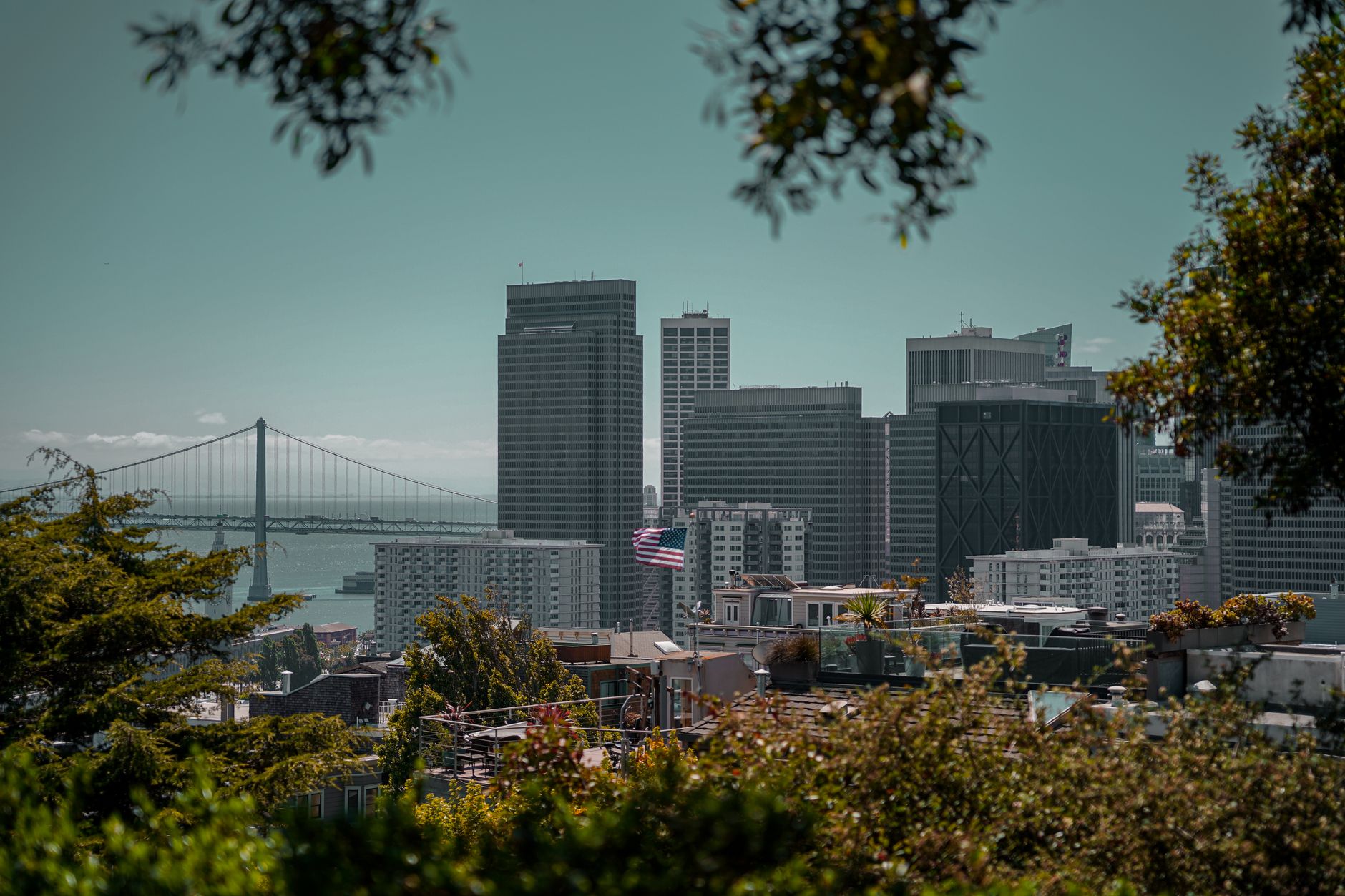
San Francisco's summer calendar today looks nothing like it did five years ago. The sprawl of corporate-sponsored festivals and ticketed mega-events that once dominated July weekends has contracted sharply, replaced by a patchwork of community-organized programs that residents themselves are bankrolling and directing.
This shift matters now because it signals a fundamental reckoning with how the city spends its cultural capital. After years of watching major venues and promoters price out average attendees, neighborhoods across the city have begun wresting control of their own entertainment agendas. On a Friday like today, that means your choices depend less on what corporations have decided to market and more on what your neighbors have decided to build.
Walk down Mission Street in the Mission District and you'll find the Precita Eyes Muralists Association running its annual open-studio weekend—a free event where locals can watch artists at work in their studios and purchase pieces directly. Just north in the Castro, the Castro Community Center has scheduled a free outdoor screening series that runs through August, drawing crowds of 200 to 400 people per night to the parking lot on Market Street between 17th and 18th. Both programs cost organizers money but generate zero ticket revenue.
"People got exhausted with the extraction model," said one longtime Mission-based arts organizer over the phone Friday morning. "You'd go to something that cost forty bucks, and none of that money stayed in your neighborhood. Now there's permission to do things differently."
The Numbers Behind the Movement
San Francisco's Department of Elections and Supervisors' office recorded roughly 127 new community benefit organizations filing incorporation papers in 2025—up 34 percent from 2023. Many of these groups launched specifically to organize cultural programming. The San Francisco Arts Commission's most recent survey, released in April 2026, found that 62 percent of respondents preferred free or low-cost community events to ticketed performances, compared to 41 percent in 2019.
The economics have shifted too. A ticket to a major concert at the Fillmore or The Warfield now runs between $65 and $150, with service fees pushing closer to $200. By contrast, neighborhood groups operating on shoestring budgets—many pulling from small city grants and individual donations—have learned to program intelligently around existing infrastructure. The Richmond District's Richmond Neighborhood Center hosts a free Saturday morning yoga and music session every week. The Excelsior District's Excelsior Improvement Association runs Tuesday night community dinners in front of the Excelsior Library, charging only for ingredients.
The Castro Community Center's summer programming budget comes entirely from foundation grants and individual donors, no city funding for operations beyond the building itself. Their Friday night film series costs $8 per person—a price set specifically to cover equipment rental and volunteer coordinator hours, not profit.
What This Means for Your Weekend
Today, July 3rd, multiple neighborhood groups are hosting events in advance of the Independence Day holiday. The Bayview Community Center is hosting a free afternoon of live music and potluck starting at 3 p.m. The Sunset District's Inner Sunset Community Center has organized a family picnic with local musicians. Attendance at these events typically runs 50 to 150 people—intimate enough that organizers know attendees by name, yet large enough to feel like genuine community.
The shift reflects something deeper than just cost sensitivity. Residents have begun building cultural infrastructure from the ground up, treating neighborhood gathering as foundational work rather than entertainment add-ons. Whether this movement sustains depends partly on whether the groups organizing it can secure ongoing funding and volunteer commitment through 2027 and beyond. For now, though, this Friday and beyond, San Francisco's cultural calendar belongs to the people scheduling it rather than the corporations selling it.