Behind the Fireworks: How One Nonprofit Built the Bay's Most Ambitious Fourth of July Celebration
The people running this weekend's waterfront festivities spent two years planning every detail—and fighting for permission to light the sky.
The people running this weekend's waterfront festivities spent two years planning every detail—and fighting for permission to light the sky.
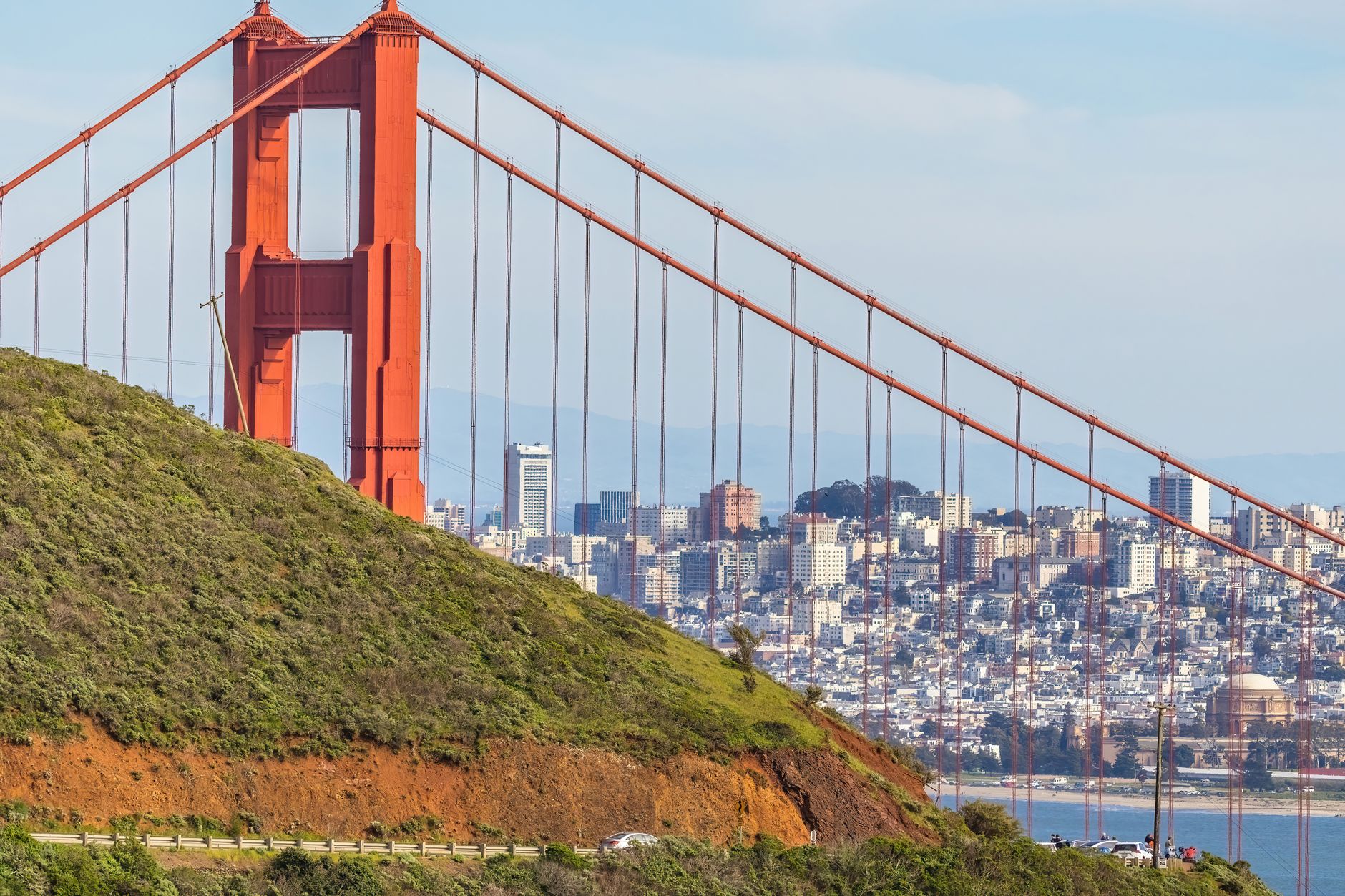
The San Francisco Parks and Recreation Department approved the permit on a Tuesday in March. What took bureaucrats 45 minutes to rubber-stamp had consumed 18 months of planning, budget negotiations, and community meetings for the team at Bay Area Pyrotechnics Alliance, a local nonprofit that will launch 2,200 fireworks over the San Francisco Bay this weekend in the city's largest Independence Day display since 2019.
The stakes matter more than ever. Global instability has squeezed nonprofit funding as donors redirect resources toward humanitarian crises. Cultural institutions across the country report that attendance has shifted—people want outdoor, free events over ticketed experiences. The fireworks represent something San Francisco hasn't offered at scale in half a decade: a gathering that asks nothing of the city's residents except that they show up.
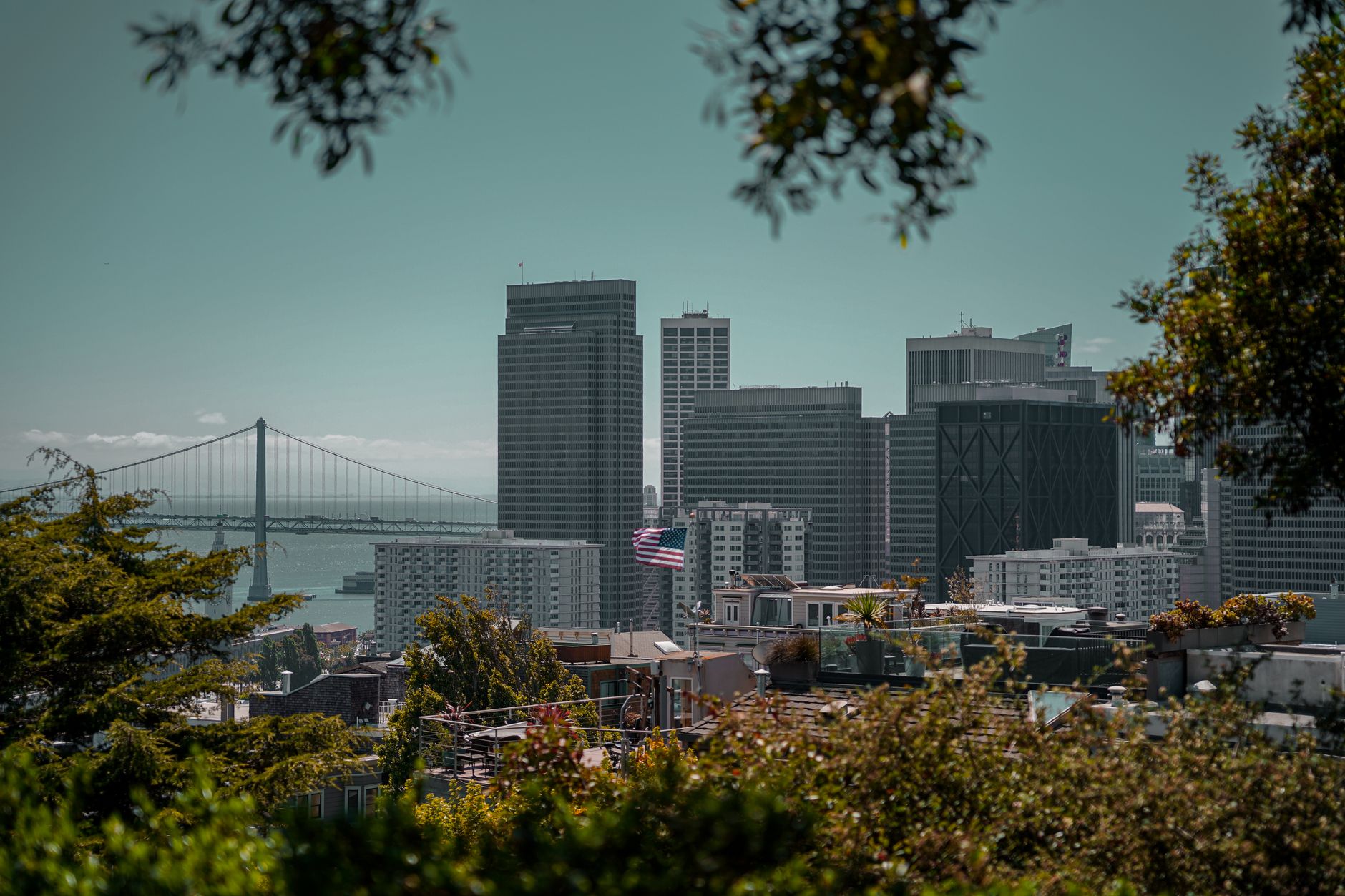
"We lost three years of institutional memory when the pandemic shut everything down," said the Bay Area Pyrotechnics Alliance's executive director during a June site visit. The nonprofit rebuilt from scratch, rehiring contractors who'd moved to Sacramento and Las Vegas during the downturn. They secured the Embarcadero between the Ferry Building and Pier 39 as the launch zone—a location that required separate approvals from the Port Authority, the Coast Guard, and the San Francisco Fire Department. Each agency had different insurance requirements. The Port wanted assurances about barge positioning. The Coast Guard demanded a two-mile water perimeter.
Funding nearly derailed the entire operation. Standard pyrotechnic displays cost between $80,000 and $120,000 for a 20-minute show. The alliance needed $240,000 to cover two barges, professional pyrotechnicians, safety personnel, and the actual fireworks themselves. Corporate sponsorship had cratered: the tech firms that bankrolled the 2019 celebration had either shrunk their community affairs budgets or relocated operations. A downtown San Francisco law firm committed $50,000. A family foundation focused on public health added $35,000. The remaining $155,000 came from 47 separate individual donors who gave between $500 and $5,000 each.
"We literally called people and asked for money," the executive director recalled in an interview at the nonprofit's office on Columbus Avenue in North Beach. "There's no shame in that anymore. We're past the era when one big check solves your problem."
The actual logistics consumed another layer of complexity. The San Francisco Fire Department required two paramedics stationed on each barge. The Port's marine operations division assigned tugboats to keep vessels positioned correctly throughout the 25-minute display scheduled for 9:15 p.m. Saturday. The pyrotechnicians themselves—two licensed professionals from a Santa Rosa company that holds state permits—spent three days last week mapping every detonation sequence into a computerized firing system that eliminates human error. One miscalculation means a 500-pound shell explodes at the wrong altitude or angle.
The display will reach 1,200 feet in the air at its peak, visible from the Marin Headlands to the south bay. Traffic analysts predict 40,000 people will converge on the Embarcadero waterfront, with another 15,000 using parks and neighborhoods with clear sightlines. The nonprofit's team spent a week securing portable bathrooms, trash collection, and medical stations. They hired 30 volunteer coordinators from the San Francisco Parks Alliance to manage crowd flow starting at 6 p.m.
Spectators should arrive by 7 p.m. for optimal positioning near the Ferry Building. Street parking fills by 7:30 p.m., so public transit—BART to the Embarcadero station costs $3.15—represents the smarter option. Bring a blanket or low chair; standing room only fills by 8 p.m. The nonprofit's website includes live updates on crowd status and weather conditions, which forecasters expect to be clear with temperatures dropping to 58 degrees after sunset.
The Alliance is already planning next year's display with twice the budget and a commitment from three tech companies that pledged multi-year sponsorships this month. For now, the focus is Saturday night: making sure 40,000 San Franciscans remember that their city can still organize something beautiful on a deadline.
How does this story make you feel?
Spread the word
About this article
Published by The Daily San Francisco
Daily brief
Free, in your inbox before 7am. Weekdays.
More in culture