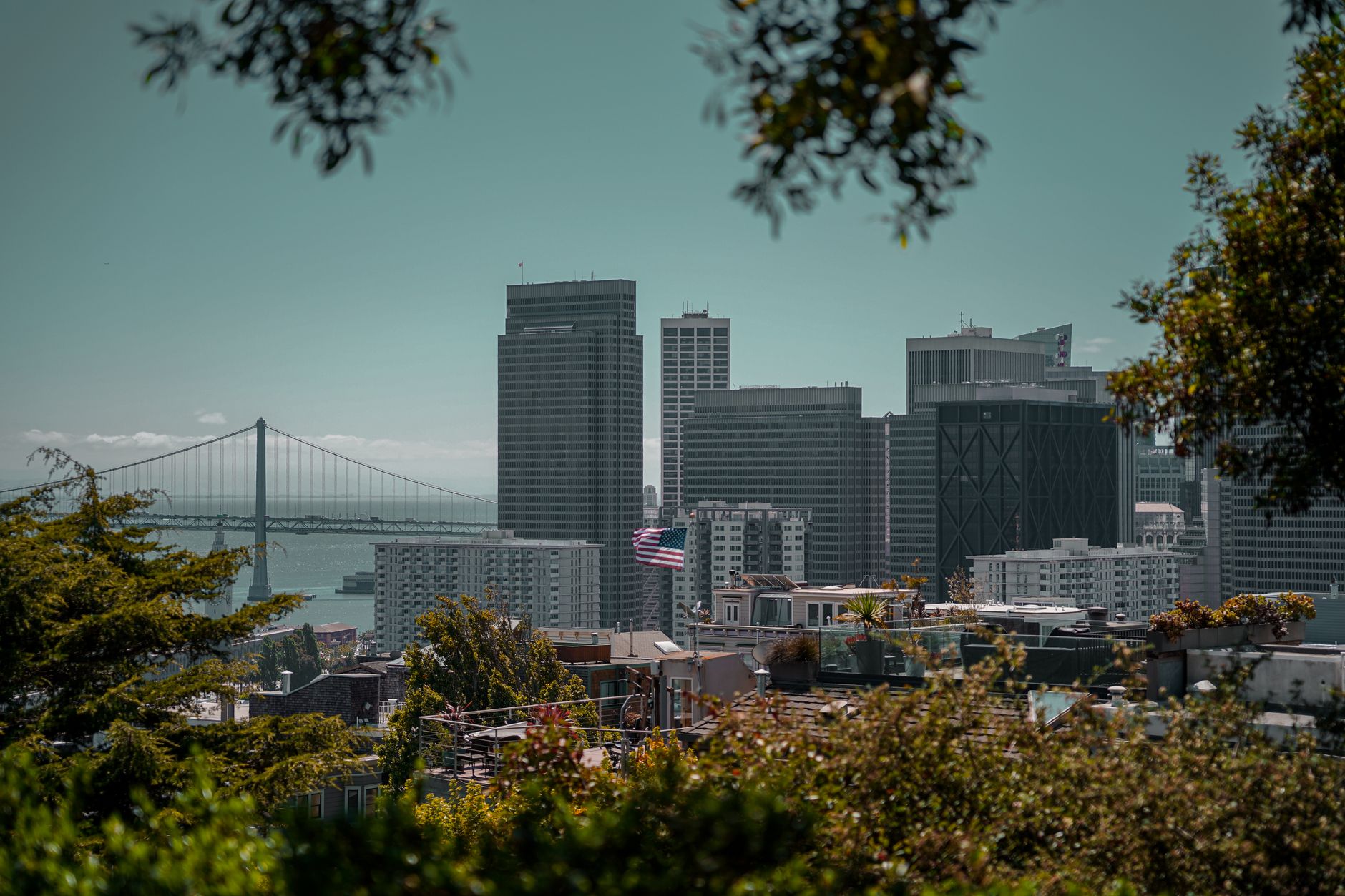
San Francisco's cultural calendar this weekend tells a story about who gets to shape the city's artistic future. While major venues like the War Memorial Opera House and Davies Hall traditionally commanded the summer spotlight, the real energy is gathering in smaller pockets—Mission District warehouses, Bayview community centers, and Dolores Park's open lawns—where independent artists and neighborhood collectives are staging what amounts to a quiet takeover of the city's cultural agenda.
The shift matters because it reflects something deeper than scheduling logistics. For three years running, major cultural institutions have cut programming budgets by 12 to 18 percent, according to data from the San Francisco Arts Commission. Simultaneously, grassroots organizers have filled the gap by building networks that operate on volunteer labor, sliding-scale donations, and hyperlocal sponsorships from corner stores and nonprofits rather than corporate underwriters. This weekend's calendar reads like a map of that transition.
Where the Action Is Actually Happening
Start Friday evening in the Mission. The Precita Eyes Muralists studio on 24th Street is hosting "Chromatic Futures," a three-day festival that began as a conversation between neighbors during the pandemic and has grown into a draw that organizers estimate will bring 3,000 people through its doors this year alone. It's free to enter, though organizers ask for $15 to $25 donations. Last year's iteration cost roughly $40,000 to stage. Ninety percent of that came from individual donations under $500 and in-kind contributions from local restaurants like Mission Chinese Food.
Meanwhile, the Bayview's Hunters Point neighborhood—historically sidelined from the city's cultural infrastructure—is hosting its second annual "Waterfront Uprising," a multimedia event series anchored at the Hunters Point Shipyard. This year's lineup includes live performance, visual art installations, and film screenings exploring themes of environmental justice and community memory. The event runs through Sunday and is organized by a coalition of five neighborhood groups that didn't exist in their current form five years ago.
Then there's Dolores Park, where three separate collectives have coordinated what they're calling "Summer Commons"—essentially a rotating schedule of performances, poetry readings, and informal gatherings that occupy the same grassy slopes that used to host mostly Instagram photo shoots. Entry is completely free. Organizers bring their own sound systems. The park's Recreation and Parks Department cleared the dates but provides no direct funding.
The Numbers Behind the Movement
What makes this worth tracking is the velocity of growth. The San Francisco Arts Commission documented that between 2023 and 2025, the number of independently organized cultural events in residential neighborhoods increased 34 percent. Meanwhile, attendance at traditional ticketed venues in the Civic Center area dropped 22 percent. The median ticket price for a show at a neighborhood-run venue is $12. A comparable performance at a city institution runs $45 to $85.
This isn't happening by accident. Organizers have become deliberately strategic about infrastructure. The Mission Cultural Center for Latino Arts on Valencia Street has opened its facilities to independent curators at reduced rates—$200 to $400 for an evening, versus $2,500 to $5,000 at commercial venues. That decision, made in late 2024, has spawned fifteen new events already this year.
Community leaders say what's emerging isn't a temporary workaround. Instead, it represents a fundamental recalibration of how San Francisco thinks about cultural production—away from top-down programming toward systems built on neighborhood participation and decision-making. Whether that model proves sustainable when the economy shifts again remains an open question. But this weekend's schedule suggests that, at minimum, San Francisco's artistic center of gravity has moved.
For locals looking to engage: most events are walkable from BART or Muni lines; many have free or pay-what-you-wish entry; and organizers specifically encourage bringing children and elders. The movement, its creators say, is built on the premise that culture belongs to everyone, not just ticket holders.