San Francisco's Summer Scene Shows Its Scars—And Its Staying Power
As geopolitical crises grip the globe, the city's culture venues are leaning hard into their roots—proving why this 170-year-old arts district refuses to disappear.
As geopolitical crises grip the globe, the city's culture venues are leaning hard into their roots—proving why this 170-year-old arts district refuses to disappear.
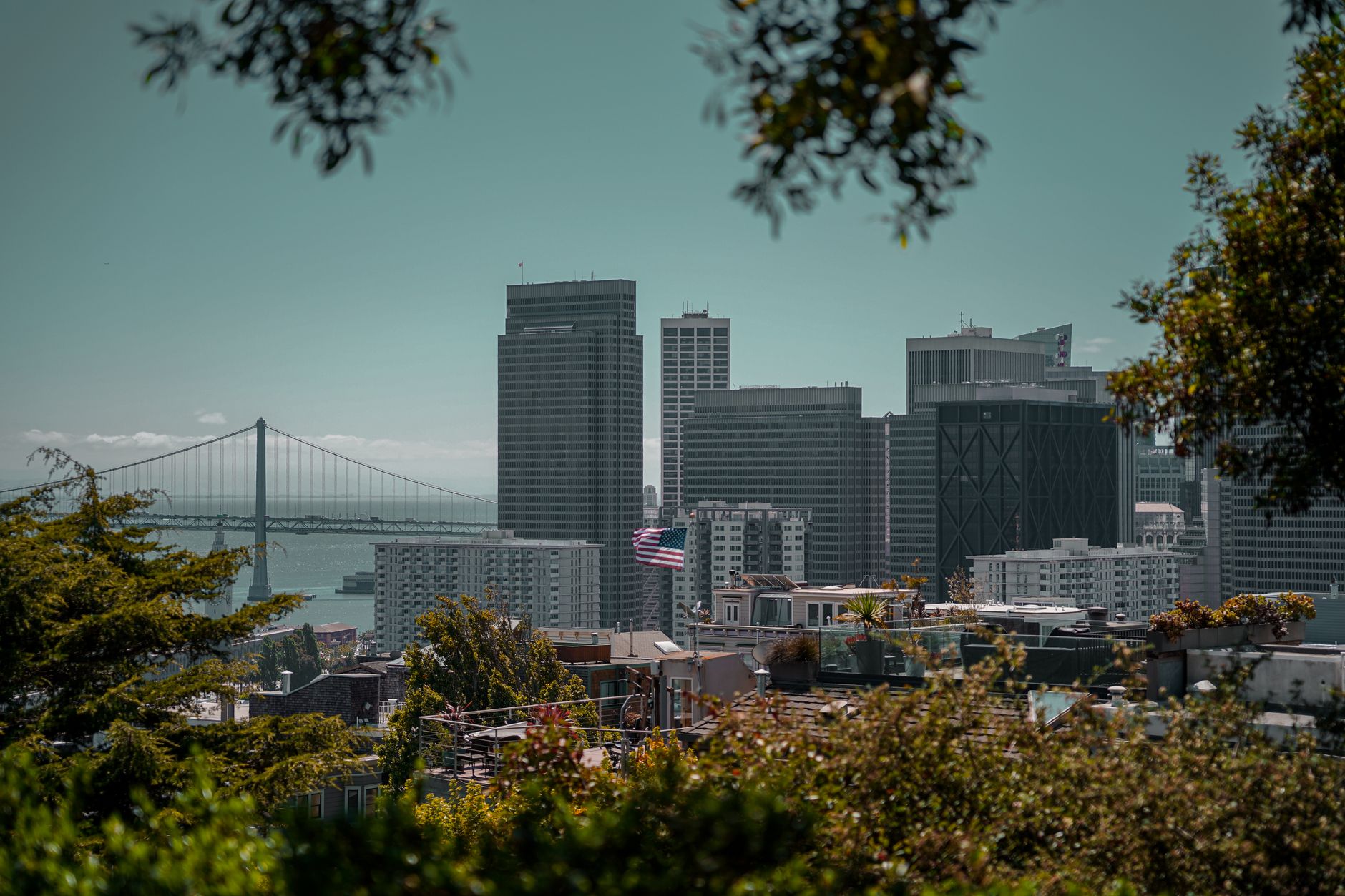
San Francisco's cultural calendar for today reads like a masterclass in stubborn optimism. The American Conservatory Theater has matinee performances of their rotating repertory. The de Young Museum in Golden Gate Park stays open until 8:45 p.m. The Fillmore, the historic music venue on Geary Boulevard that reopened in 2006 after a decades-long closure, hosts live jazz tonight. None of it is flashy. All of it matters.
The scene that unfolds across the Mission District, SoMa, and the Financial District today exists in defiance of a year that has tested venues and artists to their limits. The city's culture sector watched geopolitical instability drain tourism and advertising dollars. International conflicts rippled through funding streams. Real estate pressures that have haunted San Francisco since the tech boom of the 2010s show no signs of easing. Yet the organizations that shape what people actually do here—the theaters, galleries, music halls, and artist collectives—are leaning into what made this city a cultural destination in the first place: scrappy, local, and deeply rooted in neighborhood identity.
The Fillmore's reopening in 2006 stands as the clearest example of how San Francisco's culture establishment learned to resurrect itself. The venue originally operated from 1912 through the 1960s as the epicenter of the city's African American cultural life and later as the home of psychedelic rock. After a 30-year hiatus, the nonprofit that runs it today books between 150 and 200 shows annually, generating roughly $8 million in economic activity for the Western Addition neighborhood, according to 2024 impact assessments. That matters locally. The American Conservatory Theater, founded in 1965, runs an operating budget of $42 million annually and employs over 400 people across the Bay Area. The de Young, part of the Fine Arts Museums of San Francisco, brought in 728,000 visitors last year despite higher admission prices—$15 for adults—and competition from digital entertainment.
What ties these numbers together is a simple fact: San Francisco's culture infrastructure survived the early 2020s because it was woven too tightly into the city's identity to fail. The Mission District's gallery scene—sprawling across Valencia Street from 16th to 24th streets—predates the 1990s dot-com boom. The North Beach jazz clubs predate that by decades. The SFMOMA's permanent collection includes works acquired during the Great Depression. These are not new institutions trying to gain footing. They are old institutions learning to hold ground.
Today's schedule reflects a deeper shift in how San Francisco's culture venues think about themselves. The Frameline film festival, the largest independent LGBTQ media organization in the world, operates its office and screening hub in the Castro. The Alamo Drafthouse on Mission Street reopened last year after pandemic closure and runs $18 tickets to live-music screenings. The San Francisco Jazz Heritage Center in the Fillmore runs archival and education programs that draw school groups from across the Bay. None of these operate as standalone attractions for tourists. They operate as anchors for their neighborhoods.
That's the calculation that has kept this scene alive. When geopolitical instability abroad suppresses tourism, when housing costs push artists eastward to Oakland and beyond, when tech money dries up and advertising budgets shrivel, the organizations that survive are the ones embedded in the texture of daily life here. A person living in the Sunset District can walk to the de Young. A teenager in the Bayview can take BART to see theater in SoMa. A musician in the Mission can book a show at The Fillmore and build an audience within walking distance.
If you're looking for what to do in San Francisco today, the honest answer is the same it was in 1965, 1985, and 2005: walk outside, find something that speaks to you, and support the local people who built it. The infrastructure is here. It has endured worse.
How does this story make you feel?
Spread the word
About this article
Published by The Daily San Francisco
Daily brief
Free, in your inbox before 7am. Weekdays.
More in culture