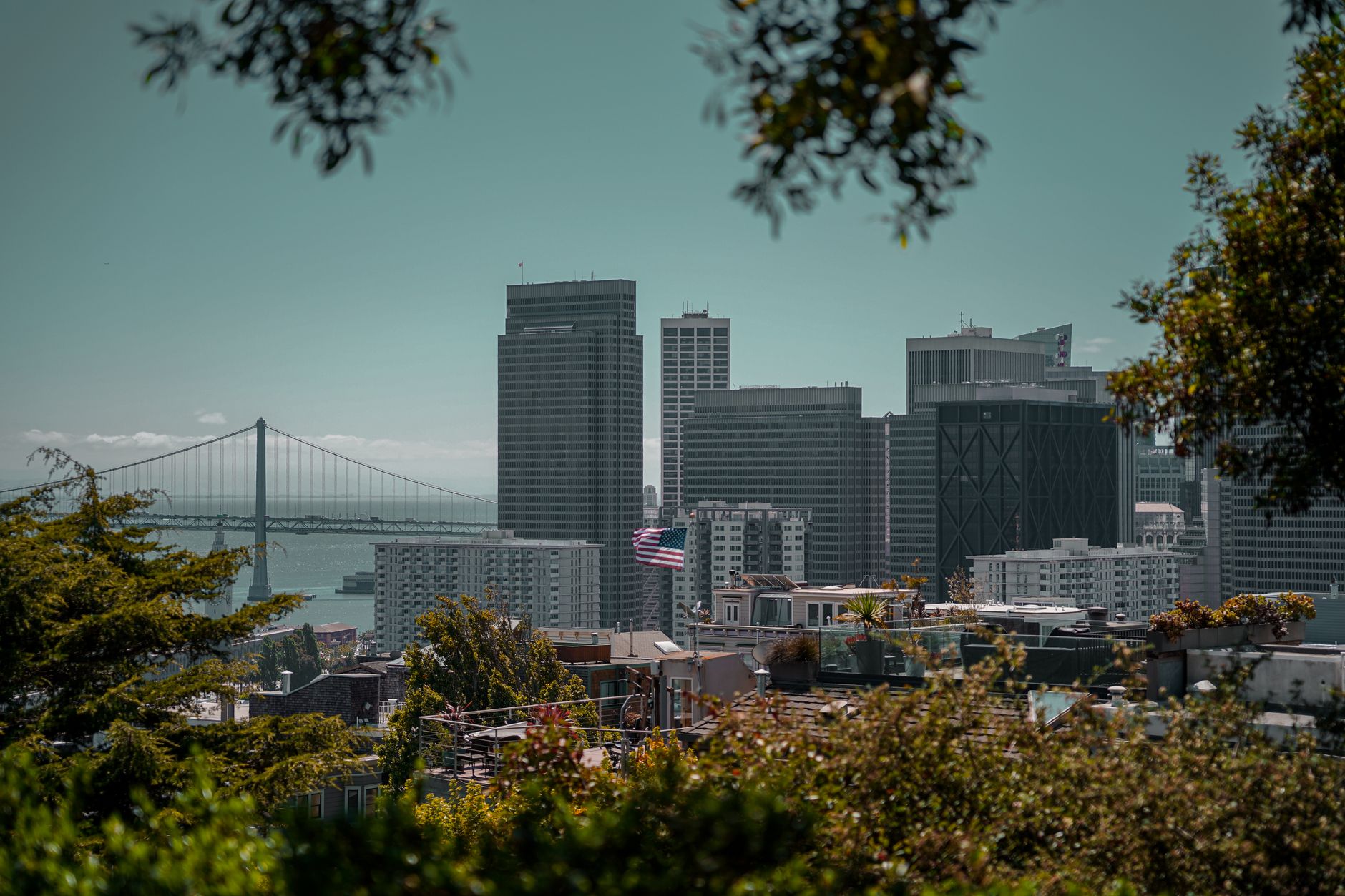
San Francisco's Independence Day calendar reads less like a holiday lineup and more like a mission statement about who the city believes itself to be. While much of America fires up backyard grills today, this city is staging experimental theater performances, unveiling commissioned murals, and hosting dance marathons—proof that San Francisco's creative identity isn't something conjured by tourism boards but rather something locals actively construct, day after day.
This matters now because San Francisco's cultural cachet has become complicated. Tech wealth has reshaped neighborhoods faster than artists can move into them. The city lost nearly 4 percent of its population between 2020 and 2024, with artists and creative workers among those departing for cheaper ground. Yet the venues and organizations still operating—and the people still showing up—tell a different story about what the city values. They're choosing to stay and build something. That choice itself has become the defining feature.
Where the Experiments Happen
The American Conservatory Theater is running a special matinee of its experimental works at the Geary Boulevard complex in downtown, where tickets run $25 to $65. Three blocks away at the Curran Theatre on Market Street, a different production opens to evening crowds. But the real creative pulse today pulses in smaller rooms: La Peña Cultural Center in the Mission District hosts local musicians and community celebrations throughout the day, while the Luggage Store Gallery in the Tenderloin—a nonprofit that's occupied the same storefront since 1989—keeps its doors open with artist-run programming that costs nothing to enter.
The Luggage Store's persistence matters. That corner of 6th and Market has watched the Tenderloin transform multiple times over the past four decades. The gallery opened before the internet existed, before venture capital rewrote San Francisco's economic rules, before the Mission became a destination for Instagram tourists. It stayed open through the dot-com bust, through the housing crisis, through the recent exodus. Its existence today isn't nostalgia—it's defiance.
Down at the Embarcadero, the San Francisco Arts Commission has installed a temporary public art series featuring work from seventeen local artists. Installations range from multimedia projections on pier pylons to interactive sculptures near the Ferry Building. The commission allocates $1.2 million annually to public art, with roughly 60 percent going to San Francisco-based creators. That's not enormous compared to what major tech companies spend on lobbying, but it's deliberate investment in the idea that art belongs in public space, not just in galleries.
The Numbers Behind the Culture
San Francisco counted 23 major museums, 45 performing arts venues with 100-plus seats, and roughly 500 registered galleries as of last year's cultural census. The number of galleries has actually grown since 2019, even as retail storefronts vanished elsewhere. That growth concentrated in cheaper neighborhoods—the Dogpatch, outer Sunset, Outer Richmond—but it happened. Artists moved, reorganized, and kept working.
Average attendance at smaller experimental theater companies in the Bay Area rose 12 percent year-over-year through the first half of 2026, according to data from the Bay Area Theater Alliance. That uptick coincides with ticket prices holding steady even as everything else got more expensive. The Alamo Drafthouse on Valencia Street tickets still max out at $17 for standard screenings. The Fillmore West reopened in 2023 and books local bands most nights at cover charges under $30.
What defines San Francisco's creative identity today is this: the people still here, making work in rooms that aren't particularly profitable, in neighborhoods where rent keeps climbing, for audiences that show up despite having endless entertainment options at home. They're not waiting for conditions to improve. They're creating the conditions themselves.
If you're looking to spend today in San Francisco like a resident rather than a tourist, skip the crowded viewpoint at Twin Peaks. Hit the Mission, catch an afternoon show, walk into whatever gallery has its door open. That's where you'll actually find the city.