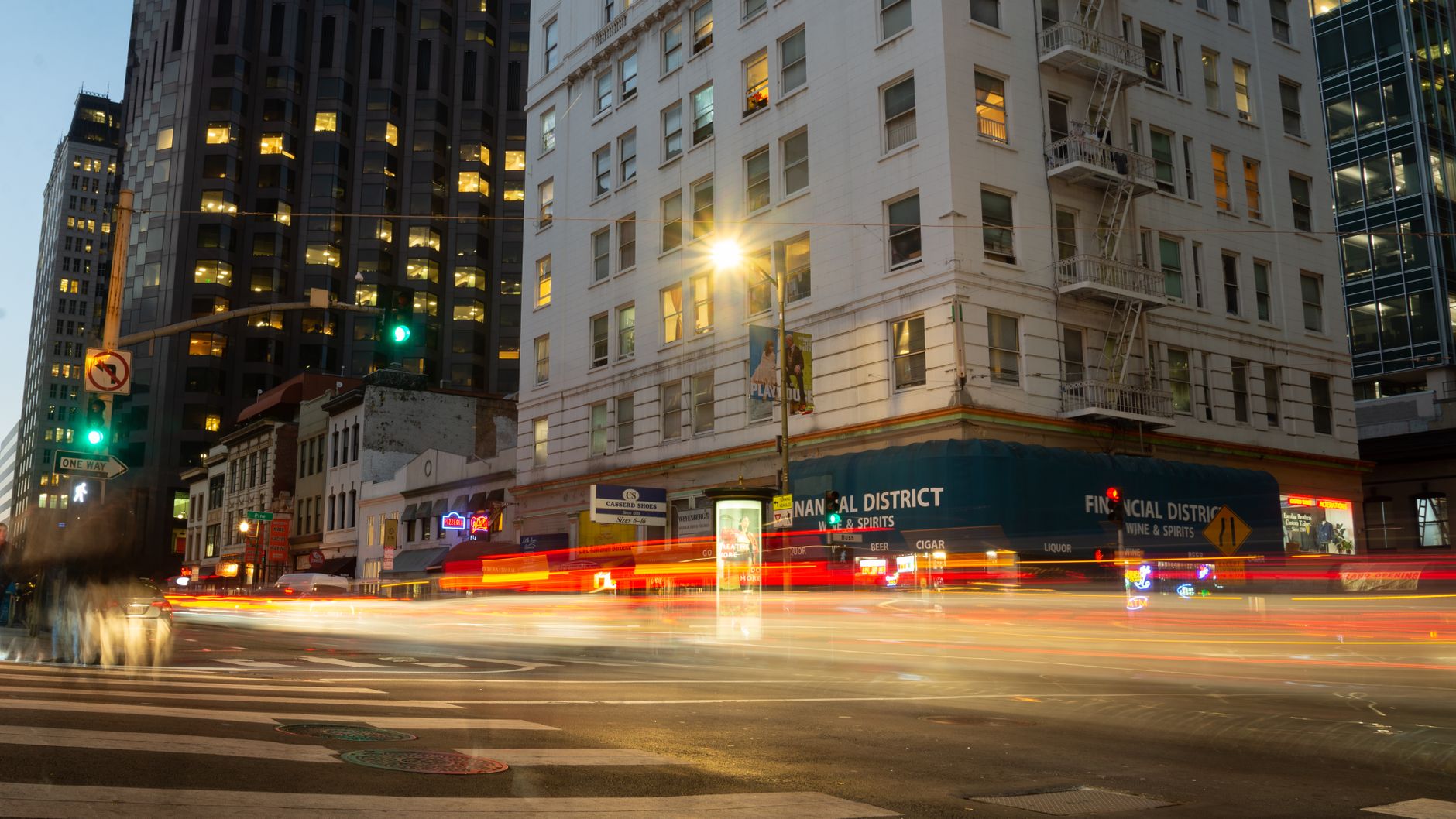
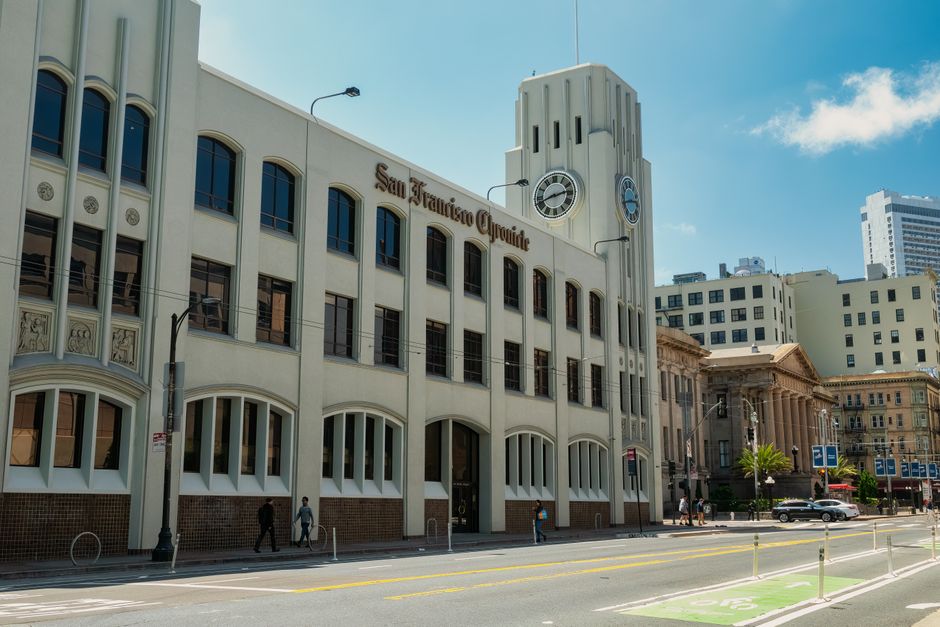
San Francisco's restaurant and hospitality sector is experiencing a bifurcated recovery that rewards speed and innovation, with data from the San Francisco Travel Association showing visitor numbers up 18 percent year-over-year and hotel occupancy rates hitting 78 percent—the highest since 2019.
The winners emerging from this shift are a specific breed of operator: those who bet on the Mission District and SOMA corridor rather than Union Square's traditional anchors. New establishments in these neighborhoods are reporting wait times that would have seemed implausible two years ago. Mid-Market Street, long the city's retail cemetery, has become an unexpected incubator for independent restaurants, with three new venues opening within a six-block stretch this spring alone, each targeting the expanded workforce returning to tech headquarters along that corridor.
Established hospitality players face a different calculus. Major hotel operators are upgrading aging properties on Van Ness Avenue and around Fisherman's Wharf, betting on the leisure traveler returning to the city. The Hilton San Francisco Union Square recently completed a $40 million renovation; the Fairmont Heritage line is expanding its Bay Area footprint. These moves suggest confidence in sustained demand, though labor costs—San Francisco's minimum wage reached $20.32 this year—remain a persistent pressure point.
The real opportunity, however, belongs to independent operators and smaller hospitality groups with lower fixed costs. Restaurants in the Hayes Valley neighborhood are reporting covers up 22 percent compared to last year, according to local industry consultants. A new generation of wine bars, casual dining spots, and ghost kitchen operators are capturing market share by offering what chain establishments cannot: flexibility in pricing, menu innovation, and the kind of neighborhood authenticity that increasingly attracts both locals and visitors.
Technology is reshaping who wins. Operators using dynamic pricing—adjusting menu prices and room rates based on real-time demand—are outpacing those using static pricing models. Several boutique hotels near Ferry Building Marketplace have implemented this approach, with room rates fluctuating between $240 and $380 depending on day and season.
The broader pattern suggests San Francisco's hospitality recovery will look different from the pre-pandemic era. Downtown foot traffic remains 12 percent below 2019 levels, but emerging neighborhoods are compensating. Those betting on decentralization—away from traditional tourist zones and toward Mission, SOMA, and Hayes Valley—are already seeing the payoff. For established players, adaptation is no longer optional; it's survival.
This article was compiled by AI and screened before publishing. See our editorial standards.