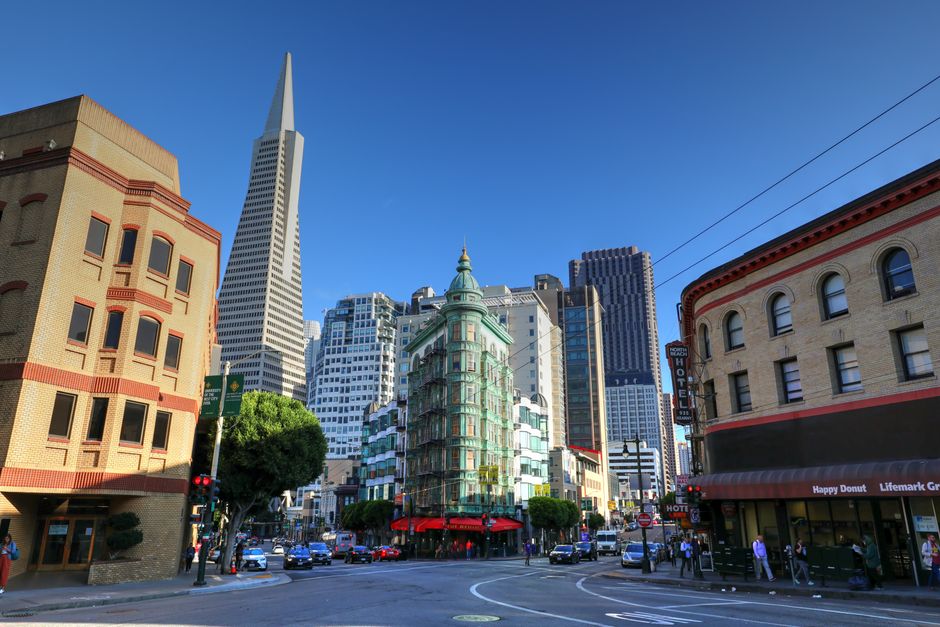
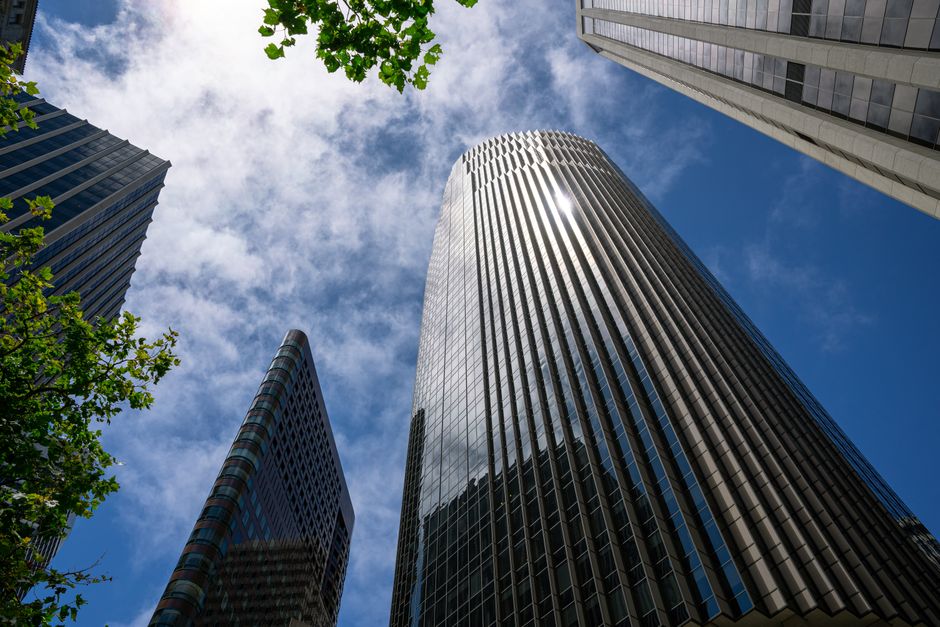
Walk down Third Street on any Tuesday morning and you'll see the physical evidence of San Francisco's latest innovation cycle: construction cranes, gleaming glass office conversions, and a steady stream of young workers with messenger bags heading toward renovated warehouses. But what's actually unfolding in the city's startup districts isn't just another tech trend—it's a structural shift that will reshape housing costs, job markets, and neighborhood character for years to come.
The numbers tell the story. According to recent venture capital tracking data, San Francisco has absorbed more than $18 billion in early-stage funding over the past eighteen months, with artificial intelligence and biotech companies clustering heavily in South of Market and Mission Bay. That's double the investment rate from 2023. For comparison, downtown San Francisco's commercial real estate has seen office-to-residential conversion projects accelerate from roughly 2 million square feet annually to over 5 million, according to local development trackers.
Here's what this means for you: First, housing. Landlords in neighborhoods bordering the startup corridors—the Mission, Hayes Valley, Potrero Hill—are betting that young startup employees will pay premium rates. Studio apartments in these areas have climbed to an average of $2,400 monthly, up from $1,850 three years ago. Second, employment. If you work in hospitality, retail, or service industries clustered around these neighborhoods, your workplace is likely changing. Coffee shops and restaurants are adapting menus and hours to serve 8 a.m. developer standups and late-night pitch sessions. Third, transportation. The city's public transit system—already strained—now absorbs thousands of additional commuters from South Bay and East Bay heading to SOMA offices, affecting everyone's morning Bart and Muni experience.
Less visible but equally important: the startup ecosystem is reshaping San Francisco's public spaces. Venture-backed companies are leasing former industrial buildings in neighborhoods like Dogpatch and the Inner Sunset, changing neighborhood identity and commercial tax bases. The Valencia Street corridor, once defined by independent bookstores and galleries, now hosts fifteen venture-backed companies within six blocks.
The reality is that San Francisco's startup economy isn't separate from everyday life anymore—it's the dominant force shaping it. Understanding what's happening in these innovation districts means understanding your own city's future. Whether that future benefits you depends partly on which side of this boom you're positioned on.
This article was compiled by AI and screened before publishing. See our editorial standards.