San Francisco Job Market Shifts Amid Global Instability
Geopolitical tensions and visa issues are reshaping Bay Area tech hiring. How San Francisco employers are adapting workforce strategies.
Geopolitical tensions and visa issues are reshaping Bay Area tech hiring. How San Francisco employers are adapting workforce strategies.
Listen to this article · 3:48
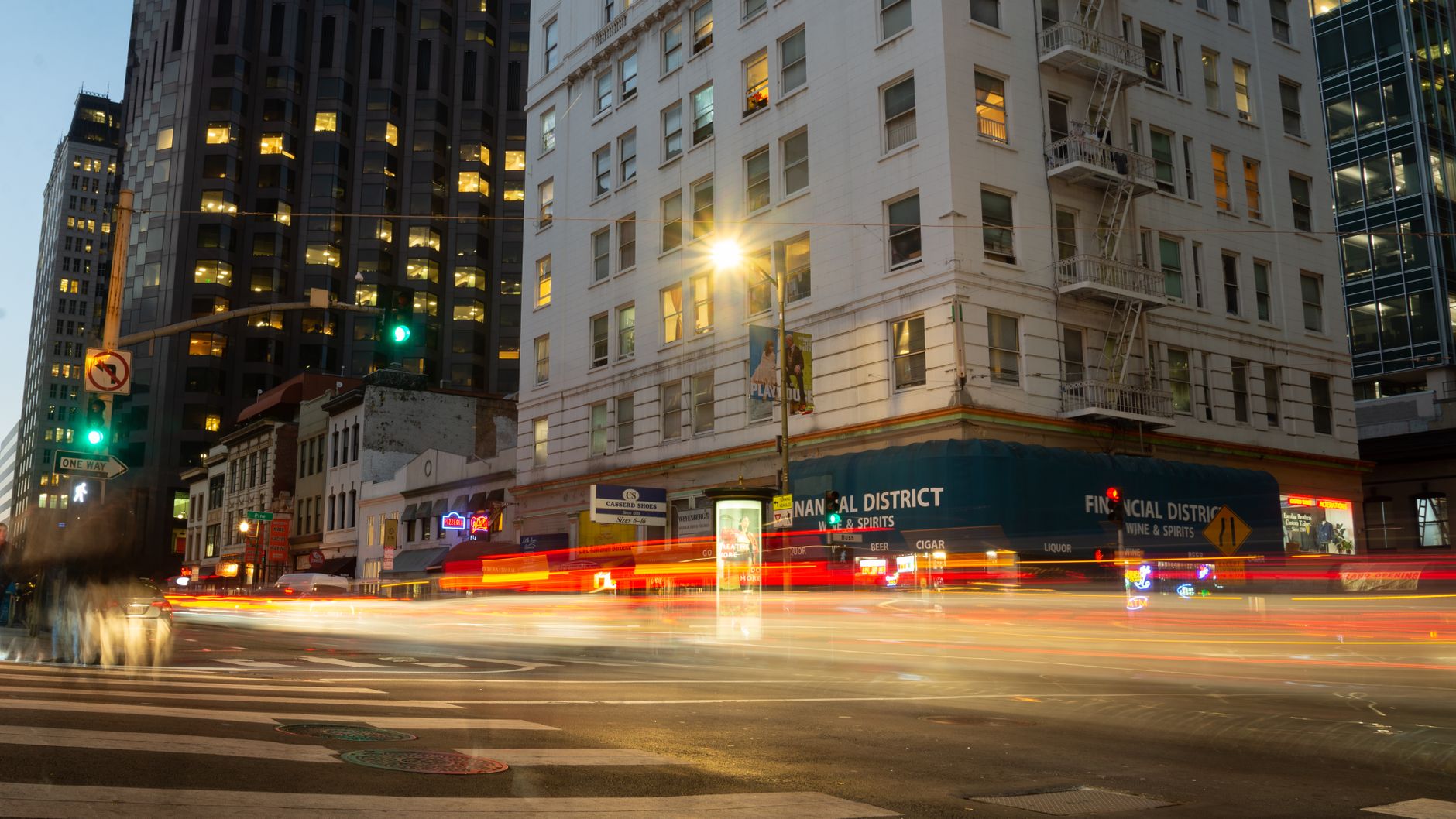
Walk through the Financial District on any Tuesday morning, and you'll see the visible signs of a labor market in flux. Recruitment firms along Montgomery Street are fielding calls from companies desperate to stabilize their workforce, while tech campuses in SoMa report unprecedented turnover among international talent. The reason: global instability is now directly shaping hiring decisions in San Francisco in ways that extend far beyond traditional business cycles.
The Middle East tensions that escalated in recent months have triggered a visible exodus of Iranian and Middle Eastern tech workers from the Bay Area, creating unexpected talent gaps in software engineering and financial services roles. Companies that built entire teams around visa sponsorship are now scrambling to backfill positions. One Palo Alto-based venture capital firm recently reported losing eight portfolio company engineers within three weeks—all relocating to their home countries amid geopolitical uncertainty.
Meanwhile, the humanitarian crisis in Venezuela has reshaped recruitment in hospitality and service sectors across the city. The Ferry Building Marketplace and establishments throughout the Mission District have adapted hiring practices to account for shifting labor supply, even as demand from displaced workers seeking employment has increased. Restaurant owners report navigating more complex workforce planning than they did just eighteen months ago.
The broader crypto economy boom—partly fueled by regulatory clarity under the current administration—has paradoxically created competition for talent that previously worked in traditional finance. Downtown San Francisco's office vacancy rates, which hovered above 30 percent in 2024, have begun tightening as crypto-adjacent companies lease new space on Kearny Street and along the Embarcadero. This has pushed commercial real estate prices up nearly 12 percent in the past year, directly increasing operational costs for smaller employers.
Immigration policy uncertainty is also rippling through local hiring. Companies headquartered near Jack London Square and throughout SOMA report implementing longer lead times for international recruitment. The birthright citizenship decision from the Supreme Court, while narrowly protecting current protections, has created enough ambiguity that some employers have begun shifting hiring emphasis toward domestic talent pipelines—a significant change for industries that historically relied heavily on international recruitment.
Data from the Bay Area Council indicates that job postings requiring security clearances are up 34 percent year-over-year, reflecting both geopolitical tension and increased government contracting. Simultaneously, positions in supply chain management have become among the most competitive roles in the region, as companies reassess manufacturing dependencies following international instability.
For San Francisco's workers and employers alike, the message is clear: the global stage is no longer a distant concern. It's reshaping paychecks, career paths, and business strategy on Market Street and beyond.
This article was compiled by AI and screened before publishing. See our editorial standards.
How does this story make you feel?
Spread the word
About this article
Published by The Daily San Francisco
Daily brief
Free, in your inbox before 7am. Weekdays.
More in Business