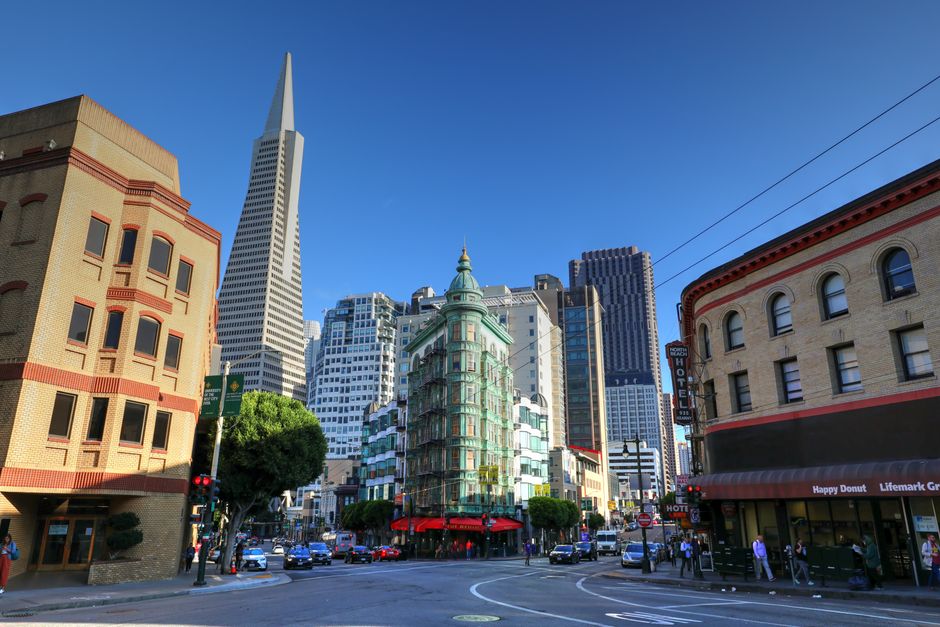
Walk through the corridors of the Valencia Street corridor on any weekday afternoon, and you'll encounter a patchwork of one-person operations: podcast studios masquerading as coffee shops, design studios tucked into pre-war buildings, and e-commerce managers running six-figure businesses from shared desks at WeWork locations across the Financial District. San Francisco's small entrepreneur ecosystem has undergone a seismic shift, and the ripple effects are remaking how the city's most talented workers think about employment itself.
The numbers tell a compelling story. According to data from the San Francisco Chamber of Commerce, solo-operated businesses—those with zero employees—have increased by 34% since 2023, accounting for nearly 12% of the city's entrepreneurial activity. Simultaneously, venture capital flowing toward pre-seed and seed-stage startups hit $2.1 billion last year, a significant portion funneling toward founder-led operations rather than traditional venture-backed teams.
This has created an unexpected labor arbitrage. Mid-career tech professionals—once the lifeblood of established companies along the Embarcadero—are increasingly opting for fractional roles or advisory positions with multiple young founders rather than taking full-time positions. One local recruiter reports that candidates in their 30s are now negotiating for part-time arrangements at 40% higher rates than pre-pandemic baselines, a shift that would have been unthinkable five years ago.
The implications for San Francisco's talent ecosystem are profound. Traditional employers—corporate headquarters in the Financial District and SoMa office parks—report difficulty retaining experienced hires. Meanwhile, recruitment agencies in the Bay Area are witnessing explosive demand for project-based talent in marketing, product development, and operations roles. Premium co-working spaces in SOMA and the Mission report occupancy rates exceeding 85%, a stark contrast to the post-pandemic downtown exodus.
Real estate agents tracking commercial office space note a secondary trend: the rise of micro-offices. Two-person suites in buildings along Market Street or the Tenderloin are leasing faster than sprawling floors, as tiny teams prioritize flexibility over real estate permanence.
What's emerging is less a robust job market and more a fluid talent network where expertise itself has become the currency. Educational institutions like SFSU and USF are responding by overhauling their business curricula to emphasize entrepreneurship and personal brand-building alongside traditional management theory. The city's most ambitious workers are no longer simply job-hunting—they're building portfolios.
For San Francisco, once synonymous with corporate consolidation, this decentralization of opportunity represents both liberation and precarity. The question isn't whether small entrepreneurs are reshaping the local market. They already have. The real question is whether the city's institutions can adapt fast enough.
This article was compiled by AI and screened before publishing. See our editorial standards.