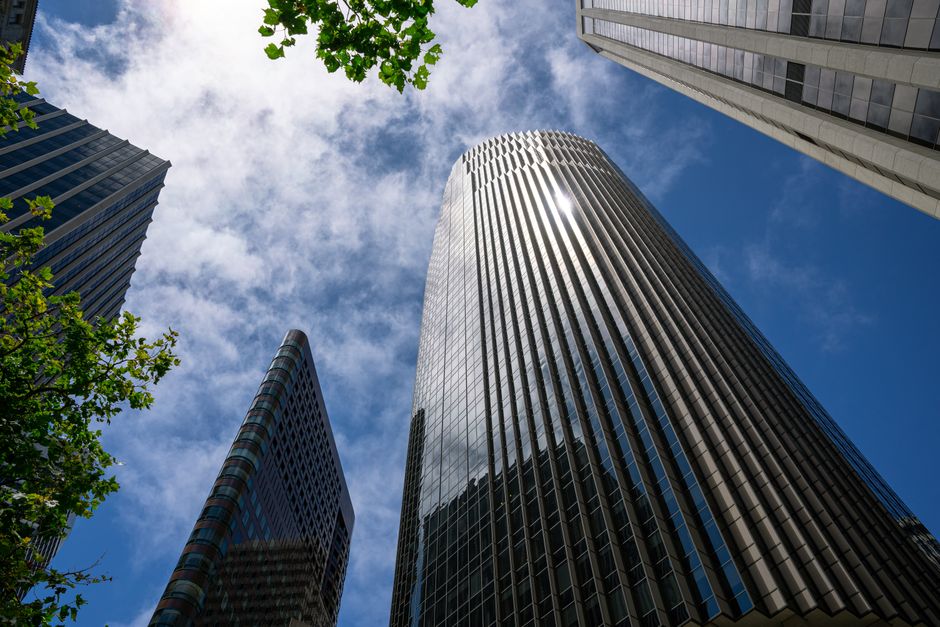
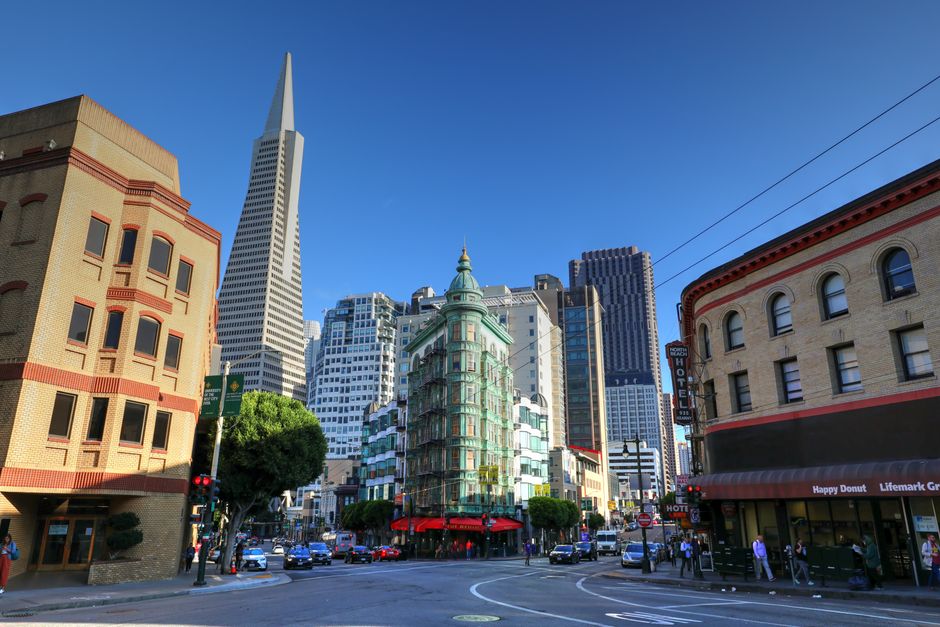
Walk down Market Street on any given morning and you'll see the physical manifestation of Bay Area economic currents: construction cranes dotting the skyline, shuttle buses ferrying tech workers, and storefronts cycling through tenants with accelerating speed. But beneath these visible changes lie deeper financial signals that professional investors, business leaders, and policymakers are scrambling to interpret.
The numbers tell a story of diverging pressures. The median home price in San Francisco proper sits around $1.3 million, according to recent market data, while monthly rents for a one-bedroom apartment in neighborhoods like Mission District or SOMA hover near $3,000. Yet wage growth in the tech sector—still the city's economic engine—has largely stalled after years of explosive increases. This disconnect reveals a crucial economic signal: capital is flowing into real estate assets, but not proportionally into wage compensation.
Venture capital deployment offers another revealing window. While San Francisco remains the global epicenter for startup funding, the composition of investment has shifted markedly. Rather than the broad-based early-stage ecosystem that characterized the region through 2023, capital is now concentrating in later-stage companies and infrastructure plays. This reallocation suggests investors believe growth opportunities in traditional software and services have matured, pushing them toward artificial intelligence, biotech, and climate technology.
The commercial real estate picture in neighborhoods like Financial District and South of Market reflects this transition acutely. Office vacancy rates have climbed above 30 percent in some blocks, pressuring landlords to offer concessions while conversion projects—transforming old office towers into residential units—accelerate. This supply adjustment typically takes years to resolve and signals prolonged softness in one asset class even as residential demand remains stubbornly high.
What connects these indicators? A fundamental reshuffling of where capital believes value exists. The Federal Reserve's interest rate decisions, still restrictive by historical standards, make bonds and savings accounts more attractive relative to equities, dampening the risk appetite that previously fueled San Francisco's growth. Meanwhile, geopolitical tensions and supply chain concerns are prompting some multinational corporations to diversify operations away from concentrated coastal hubs.
For San Francisco residents and business operators, these flows matter tremendously. They explain why coffee remains expensive near the Ferry Building while certain neighborhoods experience simultaneous retail vacancy and rising rents—different capital is targeting different assets. Understanding these patterns helps clarify why cost-of-living pressures persist even as some economic growth metrics appear stable.
The Bay Area's economic story isn't broken; it's recalibrating. Recognizing which direction capital is flowing—and why—provides the most honest assessment of what comes next.
This article was compiled by AI and screened before publishing. See our editorial standards.