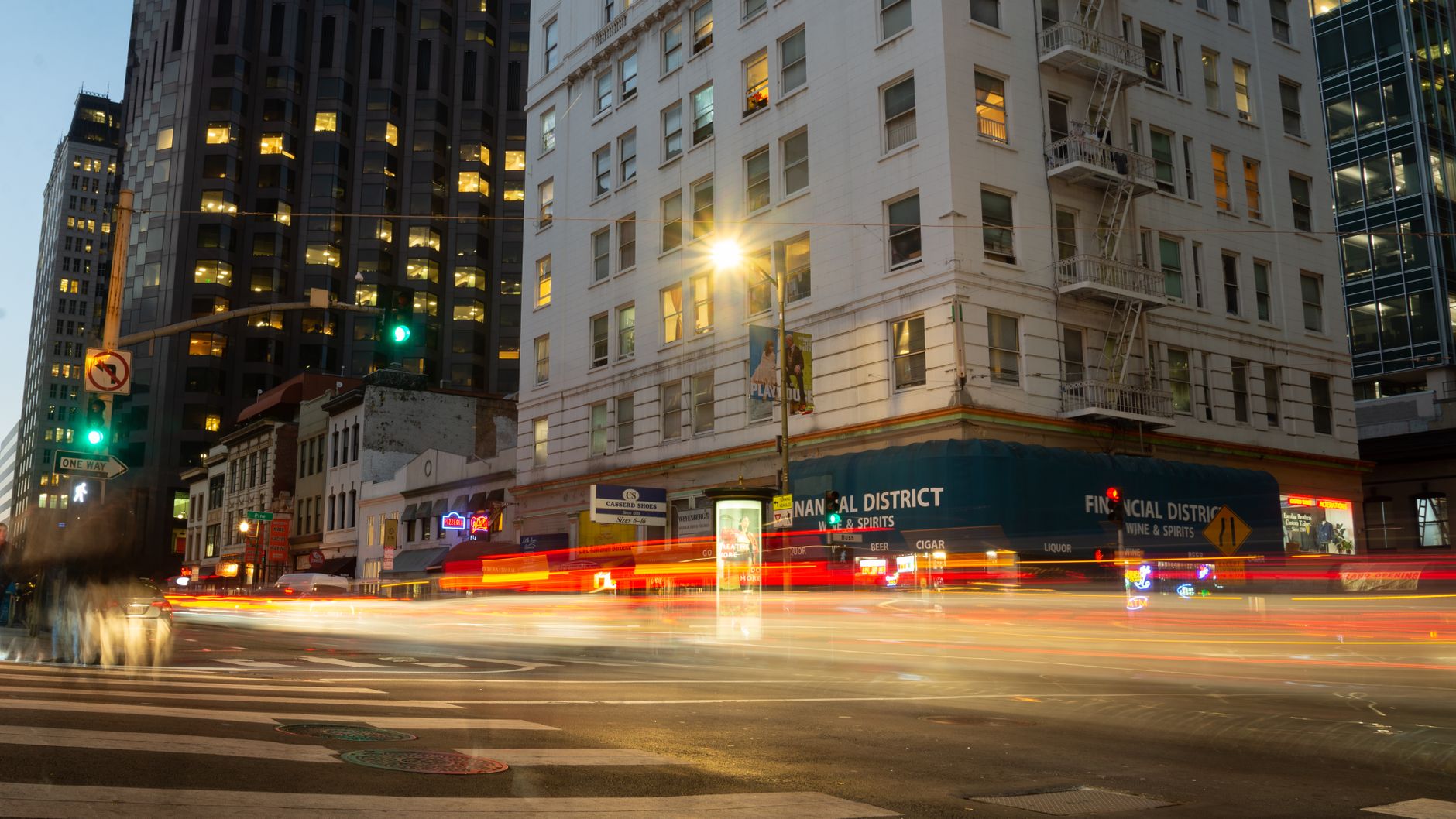
The transformation is visible on the ground. Walk along the Embarcadero or through SOMA's tech corridor, and you'll see gleaming office towers housing artificial intelligence firms, biotech startups, and fintech operations that barely existed three years ago. But beneath the optimistic rhetoric about innovation hubs lies a more complicated reality: the geographic concentration of venture-backed companies is fundamentally reshaping who gets hired, how much they earn, and whether they can afford to stay in San Francisco.
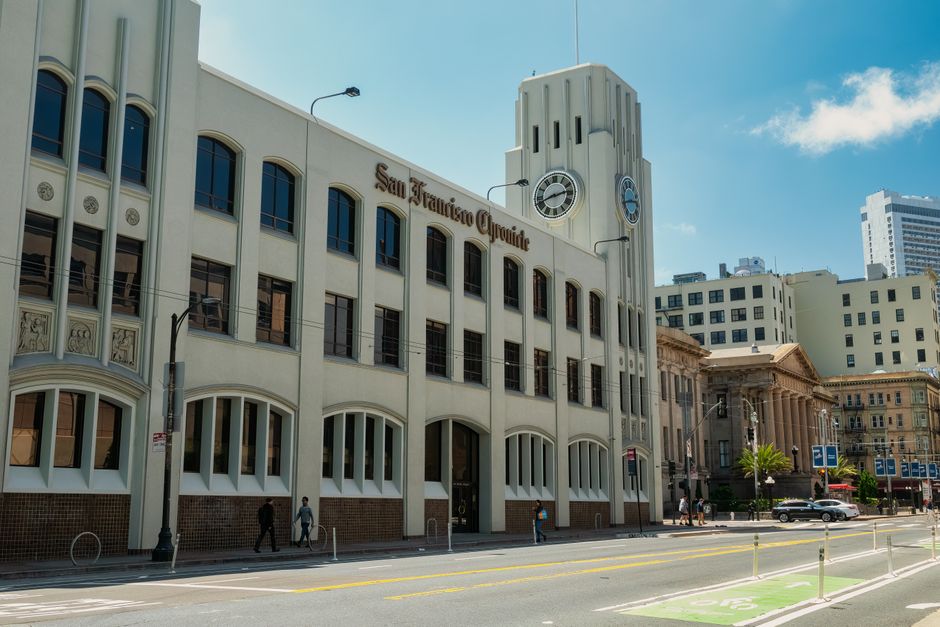
The numbers tell part of the story. According to recent data from the San Francisco Chronicle's analysis of commercial real estate trends, office space in SOMA and along the waterfront near the Ferry Building has seen a 34% jump in tech-focused leasing over the past eighteen months. This migration has created fierce competition for specialized talent—engineers, product managers, and AI researchers—with starting salaries for mid-level positions now regularly exceeding $200,000 in total compensation.
But this concentration carries costs. As innovation districts cluster capital and opportunity, they're simultaneously creating gravitational pull that's draining talent from other parts of the city. Administrative roles, sales support, and operations positions—traditionally middle-class jobs that required no advanced degree—are increasingly being automated, outsourced, or relocated to cheaper markets. Meanwhile, service-sector workers supporting these high-paid clusters face rents that have climbed beyond what their wages can sustain.
The talent market implications are stark. Recruiters across the Bay Area report a widening skills gap: companies desperately need specialized technical workers but struggle to find candidates with intermediate skills. The Pipeline into tech careers has narrowed. Community colleges and local bootcamps report declining enrollment, as students recognize that a general education no longer guarantees entry into the job market the way it once did.
Real estate prices amplify these pressures. A one-bedroom apartment in the Mission District—close to the heart of SOMA's innovation corridor—now commands an average of $2,950 monthly. Even for six-figure earners, San Francisco's cost structure is becoming unsustainable. Some venture-backed firms are beginning to offer relocation packages to lure talent from cheaper metros, effectively admitting that they cannot find qualified workers locally willing to stay.
The question facing the city's leadership isn't whether innovation districts create economic value—they clearly do. It's whether that value can be distributed broadly enough to sustain the diverse, stable workforce that made San Francisco a talent magnet in the first place. Without intervention, the city risks becoming a headquarters city for the wealthy, hollowed out of the professionals and workers who actually built it.
This article was compiled by AI and screened before publishing. See our editorial standards.