SF Tourism Recovery 2026: What Hotels & Retail Need
San Francisco visitor economy surges 34% YoY as international arrivals accelerate. Hotels hit 85% occupancy—here's what hospitality and retail leaders must do now.
San Francisco visitor economy surges 34% YoY as international arrivals accelerate. Hotels hit 85% occupancy—here's what hospitality and retail leaders must do now.
Listen to this article · 4:00
San Francisco's visitor economy is at an inflection point. After three years of volatility—from pandemic collapse to uneven recovery—tourism data now shows a sharp acceleration that's catching many business operators unprepared.
International arrivals to San Francisco have surged 34% year-over-year through the first half of 2026, according to preliminary data from the San Francisco Travel Association. European and Asian visitors are returning in force, with particular strength from Germany, Japan, and the United Kingdom. But this rebound is reshaping the competitive landscape faster than many hospitality and retail operators anticipated.
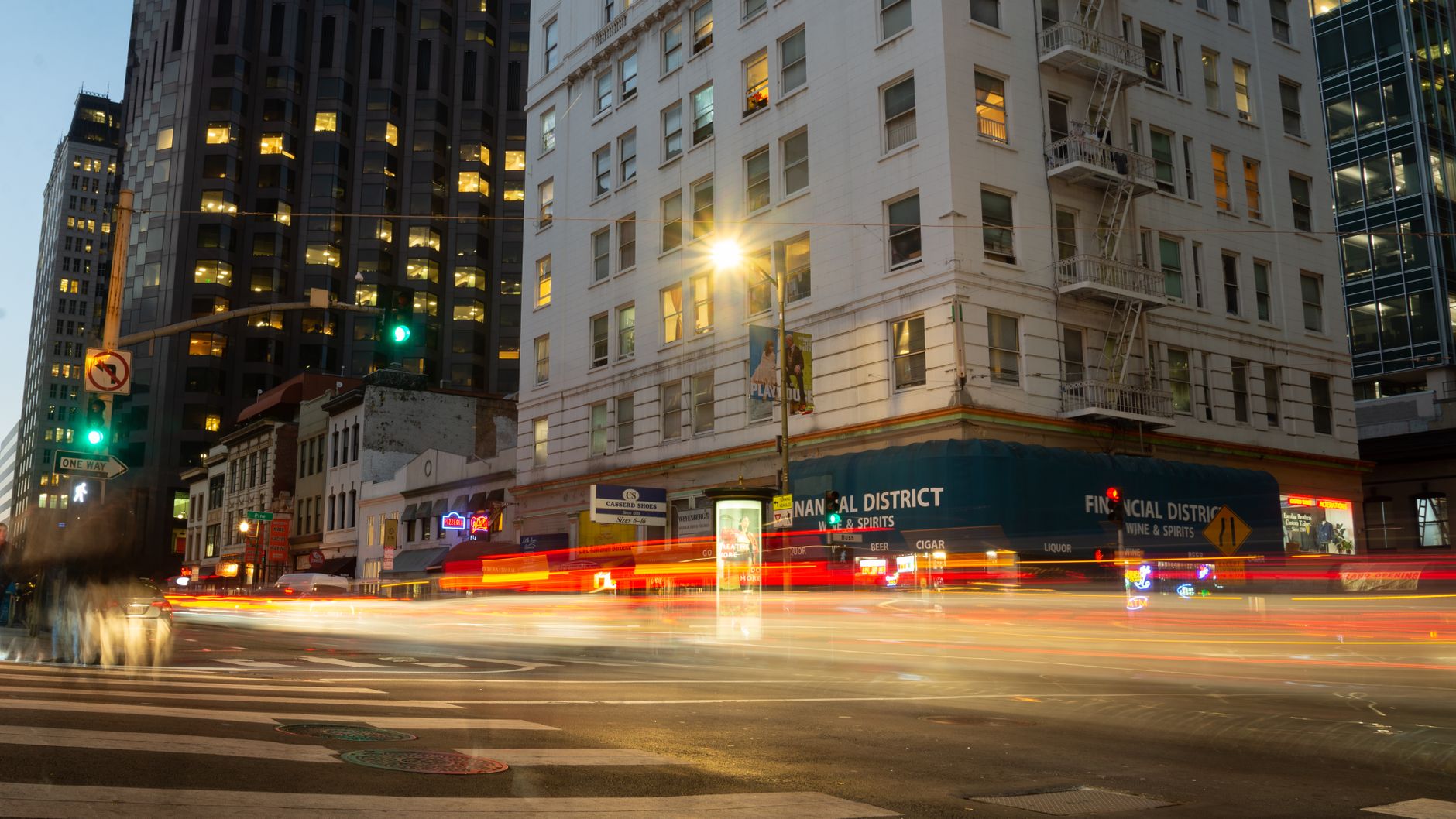
Hotels along Market Street and in the Financial District are reporting occupancy rates near 85%—levels unseen since 2019—yet average daily rates have climbed only modestly. That compression is squeezing margins. Mid-market operators, particularly those clustered around Union Square and along the Embarcadero, face a choice: invest aggressively in experience differentiation or compete on volume.
The implications ripple through connected sectors. Fine dining establishments from the Mission to Pacific Heights report reservation backlogs extending six weeks. Yet casual dining venues report mixed results, suggesting visitors are increasingly selective about where they spend discretionary income. This points to a bifurcation: premium experiences are thriving while middle-market dining struggles to justify pre-pandemic staffing models.
Retail is experiencing its own reset. Flagship locations on Grant Avenue and along Market Street are reporting footfall increases of 22-28%, but conversion rates haven't kept pace proportionally. Store operators indicate tourists are window-shopping more, buying less—a behavioral shift likely driven by currency fluctuations and economic uncertainty abroad.
Labor remains the most acute challenge. Hotels and hospitality venues citywide are competing aggressively for housekeeping, kitchen, and service staff. Wage pressure is substantial: entry-level hospitality positions in prime neighborhoods now command starting salaries 18-22% above 2024 levels. Several major hotel operators have begun extending signing bonuses and housing stipends.
For businesses navigating this moment, three imperatives emerge: First, recalibrate labor planning around sustained demand. Second, invest in differentiated experiences that justify premium pricing. Third, monitor currency movements and international economic signals—the current rebound is robust but not immune to global shocks.
The San Francisco Convention & Visitors Bureau is projecting 27 million visits by year-end 2026, up from 22 million in 2025. That trajectory is encouraging. But the operators who'll thrive are those adapting their operational models now, not those waiting for market conditions to stabilize.
This article was compiled by AI and screened before publishing. See our editorial standards.
How does this story make you feel?
Spread the word
About this article
Published by The Daily San Francisco
Daily brief
Free, in your inbox before 7am. Weekdays.
More in Business