San Francisco's Office Market Faces a Perfect Storm of Headwinds in 2026
Rising vacancy rates, stubborn hybrid work trends, and investor caution are reshaping the commercial real estate landscape across the Bay.
Rising vacancy rates, stubborn hybrid work trends, and investor caution are reshaping the commercial real estate landscape across the Bay.
San Francisco's commercial property sector is navigating one of its most challenging years on record, with persistent headwinds colliding to reshape the downtown landscape and investor appetite across the region.
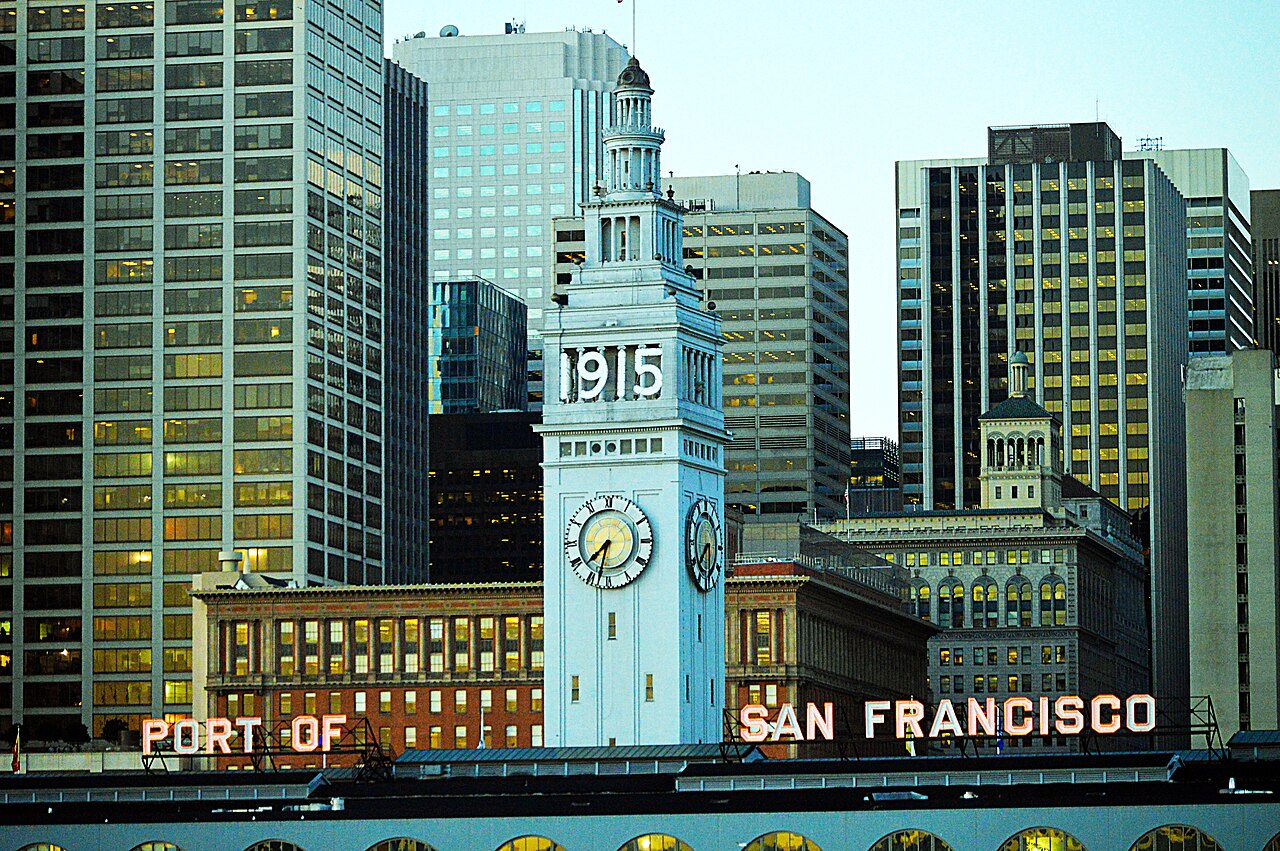
The numbers tell a sobering story. Office vacancy rates in the Financial District and South of Market have hovered near 25 percent through mid-2026, with landlords increasingly offering aggressive concessions—free rent periods, tenant improvement allowances, and flexible lease terms—to fill empty floors. Class A office space in premium locations like the Salesforce Tower and the recently renovated Ferry Building vicinity commands rents that have declined roughly 15 percent from their 2022 peaks, now hovering around $55 to $65 per square foot annually for trophy addresses.
The hybrid work model, once positioned as a temporary pandemic response, has calcified into corporate culture. Major tech employers and financial services firms continue expanding remote-work policies, reducing their San Francisco footprints even as lease agreements mature. This structural shift has proven far more durable than most commercial real estate professionals anticipated, fundamentally altering space utilization rates across the Market Street corridor and nearby blocks.
Investor sentiment has cooled considerably. Commercial property sales volumes are down roughly 40 percent year-over-year, with major institutional players taking a wait-and-see posture. Cap rates—the yield investors expect on commercial properties—have compressed as some owners hold properties off the market rather than accept what they view as distressed pricing. Several prominent office buildings have been pulled from sale cycles, suggesting owners believe better conditions lie ahead, though timeline projections remain uncertain.
The sector's challenges extend beyond downtown. The Potrero Hill tech corridor and emerging office clusters in the Mission District face similar pressures. Property managers report longer lease negotiations, more tenant bankruptcies, and increased requests for space reductions or consolidations.
Some landlords are experimenting with adaptive reuse strategies—converting office space into residential units or mixed-use developments—though San Francisco's housing shortage means residential conversions face permitting hurdles and capital constraints. A handful of property owners have begun transitioning lobbies and ground-floor spaces into experiential venues and hospitality offerings, betting that amenitization can justify premium rents.
The San Francisco Chamber of Commerce and Bay Area real estate organizations acknowledge the headwinds but note that the region's long-term fundamentals remain intact. However, most analysts expect the commercial office market will take 18 to 24 months to stabilize, with occupancy rates and pricing remaining under pressure until corporate real estate strategies fully recalibrate to hybrid and distributed workforce realities.
This article was compiled by AI and screened before publishing. See our editorial standards.
How does this story make you feel?
Spread the word
About this article
Published by The Daily San Francisco
Daily brief
Free, in your inbox before 7am. Weekdays.
More in Business