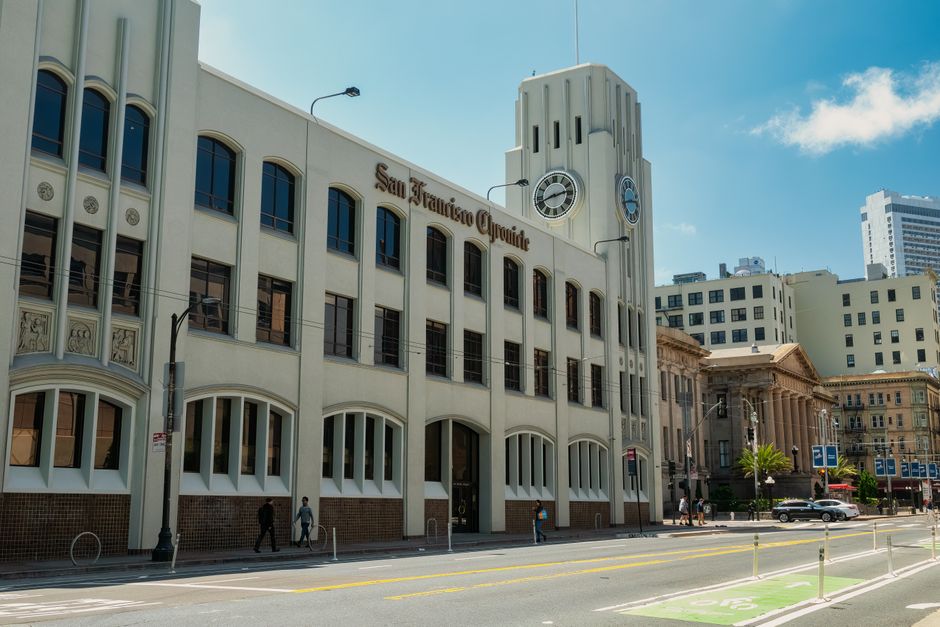
The mahogany-paneled offices along California Street once hummed with optimism about international commerce. Today, San Francisco's trade executives are bracing for what many describe as the most challenging operating environment in a decade.
The Port of Oakland, which handles roughly 40 percent of West Coast containerized cargo, has seen average transit times balloon by 18 percent since January, according to shipping industry data. For companies like those clustered in the Embarcadero's Finance District, where international trade finance firms have established major hubs, delays now directly translate to working capital constraints.
"We're looking at a confluence of problems," explains the consensus among traders interviewed at industry events in the Ferry Building. The Middle East tensions—with U.S. and Iranian officials now locked in cautious negotiations—have already rerouted significant shipping traffic away from the Suez Canal, adding 10-14 days to Asia-Europe routes. For Bay Area importers of electronics components, textiles, and machinery, this means extended supply chains and higher insurance premiums.
Meanwhile, tariff uncertainty continues to freeze decision-making. Companies operating from shared office spaces in SoMa and the Mission Bay tech corridor report that clients are postponing major purchase orders until trade policy clarifies. One logistics manager at a prominent firm on Sutter Street noted that 2026 margins are down 12-15 percent compared to the same period last year, primarily due to unexpected duties and renegotiation costs.
Geopolitical fragmentation is reshaping traditional patterns. Pakistan's military operations in Afghanistan, alongside broader Middle East volatility, have disrupted overland trade routes that some Bay Area manufacturers were beginning to explore as alternatives to maritime shipping. The potential for wider regional instability has made insurance companies more cautious about coverage.
For San Francisco's role as a gateway city, the implications are significant. The city's merchandise trade deficit with Asia widened to $8.4 billion in the first quarter of 2026, the largest quarterly gap since 2015. Several mid-sized export companies have quietly relocated portions of operations to Mexico and Southeast Asia, hedging against further U.S. trade restrictions.
Yet some sectors are adapting. Companies near the Moscone Center have begun hosting supply chain resilience conferences, attracting international buyers eager to diversify sourcing. The message, however sobering: globalization's frictionless era has definitively ended. San Francisco's traders are learning to navigate a world of higher costs, longer delays, and persistent unpredictability.
This article was compiled by AI from the sources linked above and screened before publishing. See our editorial standards.