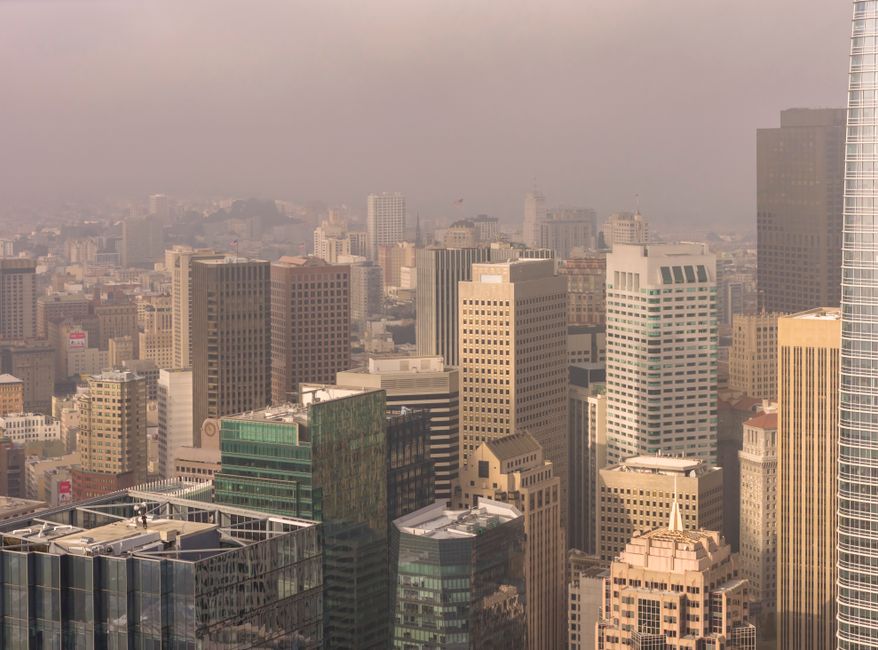
San Francisco's visitor economy, long dependent on a predictable mix of international travelers and business conventions, is experiencing a profound recalibration driven by forces far beyond the Bay Area's boundaries.
The numbers tell a sobering story. While the San Francisco Travel Association reported 25.2 million visitors in 2019, recovery remains uneven. More troubling for hoteliers and restaurant operators: the composition of that visitor base has shifted dramatically. European travelers—historically representing 18-22% of international arrivals—have become increasingly cautious about transatlantic travel amid persistent geopolitical tensions. Middle Eastern visitors, who typically spend 40% more per day than domestic tourists, are booking fewer trips as regional volatility dominates headlines.
"We're seeing real impacts on our bottom line," explains the manager at a luxury property on Nob Hill, noting that cancellations from European corporate groups increased 31% in the first half of 2026 compared to last year. The ripple effects extend far beyond hotel occupancy rates. Union Square retailers, which depend heavily on international visitors—particularly those from Asia and Europe—report softer foot traffic. Mid-range restaurants along Grant Avenue and the Embarcadero are offering more aggressive discounts to fill seats that once commanded premium pricing.
Asian markets present a more complicated picture. While travel from Japan and South Korea remains relatively stable, uncertain economic conditions in parts of the region have made discretionary travel less appealing. Chinese visitors, traditionally a major segment, continue navigating complex visa processes that have made San Francisco a less convenient choice than alternative destinations.
Yet some businesses are finding unexpected opportunities. Domestic travel has remained resilient, with American visitors increasingly choosing San Francisco as a "closer" international destination. This has benefited mid-market hotels and casual dining establishments. Additionally, tour operators and hotel concierges report growing interest in cultural experiences and local storytelling—neighborhoods like the Mission, Hayes Valley, and North Beach are seeing increased foot traffic as visitors seek authentic, locally-rooted experiences rather than conventional tourist circuits.
The San Francisco Convention & Visitors Bureau is actively working to diversify market sources and messaging, but executives acknowledge the headwinds. Recovery of the convention business—which generates an estimated $4.2 billion annually—remains dependent on stability in key international markets.
For San Francisco's business community, the lesson is clear: the global context isn't merely background noise. It's now a primary variable shaping local economic performance.
This article was compiled by AI from the sources linked above and screened before publishing. See our editorial standards.