wellness
Screen Time and Sleep: What the Research Actually Shows
San Francisco's always-on culture may be costing residents more than just tired mornings, scientists are getting specific about how and when devices do the most damage.
How we reported this
Blue light is not the villain it was made out to be. That's the headline buried in a growing stack of peer-reviewed research that sleep scientists have been trying to push past the wellness industry's simpler story for the better part of five years. What actually disrupts sleep, studies increasingly suggest, is less about wavelengths hitting your retina and more about what your brain is doing when it's staring at a screen at 11 p.m.
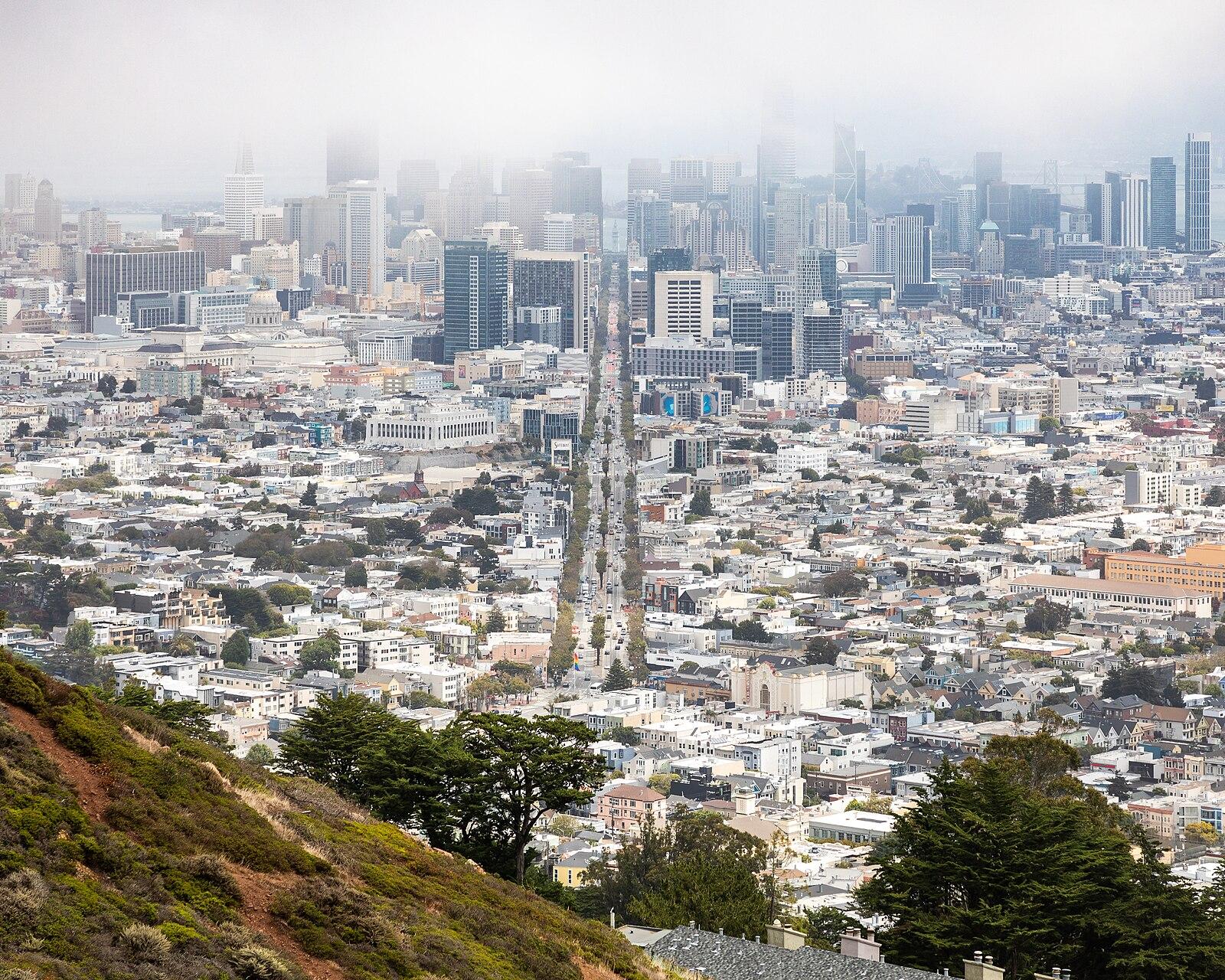
For San Francisco, a city that runs on tech culture and startup adrenaline, the distinction matters. The Bay Area consistently ranks among the most screen-saturated metro regions in the country, with residents in SoMa, the Mission, and the Financial District logging some of the longest device hours of any urban workforce. Sleep complaints are a standing topic at UCSF's Osher Center for Integrative Health on Irving Street, where clinicians have been fielding questions about device use and sleep quality for years.
What the Research Actually Finds
A 2023 analysis published in Sleep Medicine Reviews examined data from more than 170 individual studies and found that the timing and psychological stimulation of screen use mattered significantly more than blue light exposure alone. The research pointed to cognitive arousal, the mental activation that comes from scrolling social media, reading stressful news, or answering work messages, as a primary driver of delayed sleep onset. Blue-light-blocking glasses, the $30-to-$80 staple of every pharmacy shelf from Walgreens on Market Street to the CVS on Castro, may offer marginal benefit at best without addressing that underlying stimulation problem.
The National Sleep Foundation's data puts the scale of the issue in plain terms: roughly 35 percent of American adults report sleeping fewer than seven hours on a typical night, the minimum threshold most sleep researchers consider adequate for adults. In high-density, high-income urban areas with long commuting and working hours, self-reported sleep quality tends to run lower than national averages. San Francisco's own Department of Public Health has flagged sleep deprivation as a component of its broader mental health and chronic disease prevention priorities, though the city has not published a standalone sleep-specific survey in recent years.
The other piece of research that doesn't get enough attention: the two-to-three hour window before bed appears to be when device use causes the most measurable disruption to melatonin production, not the full evening. That's a more surgical finding than the blanket advice to put phones down after dinner, and it gives people more practical room to work with.
What San Francisco Residents Are Actually Doing About It
The Presidio Trust's programming office has expanded its evening walk series along the Presidio's Lover's Lane trail specifically because demand for low-stimulation, outdoor wind-down activity has grown. Participants trade the Mission District's bar scene or another hour of streaming for 45 minutes among eucalyptus trees and bay views, a form of what sleep researchers call cognitive offloading before bed.
The San Francisco Public Library's HealthLink program, available at branches including the Main Library on Larkin Street, now stocks a curated section of sleep health resources including titles focused on cognitive behavioral therapy for insomnia, or CBT-I, an approach that the American Academy of Sleep Medicine formally recommends as a first-line treatment ahead of medication. CBT-I directly targets the rumination and hyperarousal that screen-heavy evenings tend to amplify.
Bay Trail cyclists who ride the waterfront stretch from Crissy Field toward the Ferry Building in the early evening report, anecdotally, that the physical reset helps them disconnect from devices more naturally by the time they get home. The exercise physiology behind that is well established: moderate aerobic activity raises core body temperature and then allows it to drop, a process that dovetails with the body's natural sleep onset signals.
The practical takeaway from the current research is not to throw your phone across the room. It's to treat the last 90 minutes before sleep as a wind-down zone where the content you consume, not just the light it emits, deserves the same scrutiny you'd give a double espresso at 9 p.m. Anyone dealing with persistent insomnia or sleep disruption should consult a physician or sleep specialist; UCSF Health's sleep medicine program at Parnassus Heights offers evaluation and CBT-I referrals for San Francisco residents.