Yoga Styles Explained: Which One Suits Your Lifestyle
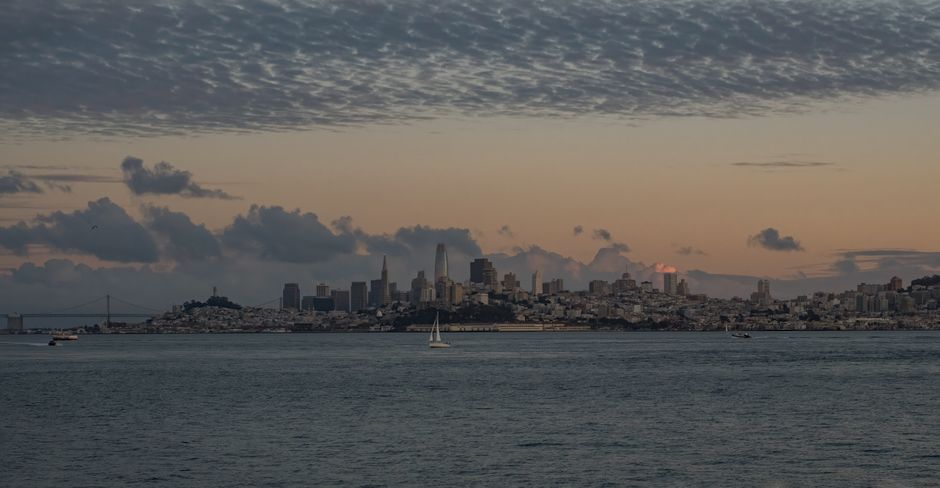
From sweaty Bikram sessions in the Mission to slow-breath yin classes overlooking the Bay, San Francisco's yoga scene has never been more varied — or more bewildering.
From sweaty Bikram sessions in the Mission to slow-breath yin classes overlooking the Bay, San Francisco's yoga scene has never been more varied — or more bewildering.
Yoga studio membership in San Francisco crossed 180,000 active participants in the first quarter of 2026, according to figures from the San Francisco Recreation and Parks Department's annual wellness survey — a 14 percent jump from the same period in 2024. The surge is real, and so is the confusion. Walk down Valencia Street on any given Saturday morning and you'll pass four studios within three blocks, each promising a different path to the same destination.
The timing matters. Stress indicators tracked by UCSF's Osher Center for Integrative Health show that Bay Area residents report significantly higher baseline anxiety scores than the national average, a trend that accelerated through 2025. More people are looking for structured, body-based practices to manage that load. Yoga, with its documented effects on cortisol regulation and sleep quality, has moved from lifestyle accessory to something closer to a public health tool. But choosing the wrong style for your temperament and schedule can leave you bored, injured, or simply never going back.
Vinyasa is what most people picture when they hear the word yoga — flowing sequences linked to breath, continuous movement, a moderate cardiovascular burn. It dominates the schedule at studios like Yoga Flow SF on Divisadero Street and the Corepower Yoga location on Market. Drop-in classes typically run $25 to $35, with monthly memberships around $160. Good for: runners from Golden Gate Park who want cross-training without the pounding, and desk workers who need to move after eight hours stationary.
Ashtanga is Vinyasa's more demanding older sibling — a fixed sequence of postures practiced in the same order every session, generating significant internal heat. The San Francisco School of Yoga in the Richmond District runs traditional Mysore-style Ashtanga sessions starting at 6 a.m. three days a week. It rewards regularity and suits people who prefer structure over spontaneity. Expect soreness in the first three weeks.
Yin yoga works the opposite end of the spectrum. Poses are held for three to five minutes, targeting connective tissue and fascia rather than muscle. It looks easy; it is not. Yoga Tree, which operates studios in the Castro and Hayes Valley neighbourhoods, runs yin-focused evening classes specifically marketed to tech workers logging 60-hour weeks. At $22 per class with a pack discount, it's also among the more accessible options financially.
Bikram and hot yoga — practiced in rooms heated to 95–105 degrees Fahrenheit — have their loyal following along the Embarcadero corridor and in SoMa. The heat amplifies flexibility and, for some practitioners, produces a meditative focus that cooler rooms don't. People with cardiovascular conditions should clear this one with a doctor first; UCSF's general medicine clinics on Parnassus Avenue field those questions regularly.
Restorative yoga is almost entirely passive — props support the body completely, and the nervous system does the work. The Mindful Body studio on California Street in Pacific Heights has built a strong Sunday restorative program that draws people recovering from injury, new parents, and anyone managing chronic fatigue.
The honest answer is that lifestyle fit matters more than any philosophical distinction between schools. If you cycle the Bay Trail on weekends and already have high cardiovascular fitness, a slow yin class twice a week will likely deliver more benefit than another hot power session. If you sit at a standing desk in a SoMa startup and your hips are locked, a Bikram sequence three times a week for 30 days will produce measurable change. The research is fairly consistent on one point: frequency beats intensity for most of yoga's documented mental health benefits. Three 45-minute sessions weekly outperform one grueling 90-minute class, according to a 2024 meta-analysis published in the Journal of Psychiatric Research covering 28 randomized trials.
Most studios in San Francisco offer a two-week unlimited introductory pass — typically $30 to $40 — which is the most efficient way to sample styles without committing. The Parks and Recreation Department also runs free yoga sessions in Dolores Park every Sunday morning at 9 a.m. through September, which provides a low-stakes starting point. Show up, try the thing, and see what your body says. That's the instruction every tradition agrees on.
How does this story make you feel?
Spread the word
About this article
Published by The Daily San Francisco
Daily brief
Free, in your inbox before 7am. Weekdays.
More in Wellness